
Vandaag of morgen in huis

Kwaliteit gegarandeerd

Welkomstaanbiedingen ontgrendelen: GRATIS bezorging | Tot 80% korting | Gratis 30 dagen JoyPlus-proefperiode
Download de app
Asian drinks are available in the Netherlands in many varieties, from Korean soft drinks and Japanese ramune to Chinese iced tea, coconut water and fruit drinks from Vietnam. This wide selection makes comparing products interesting, but also challenging. Eye-catching packaging says little about what is inside, while terms such as “zero sugar”, “natural” or “with fruit” should always be considered alongside the ingredients list and nutrition table.
This guide will help you choose a drink that suits your taste, occasion and budget. You’ll also find some popular options for home, parties and business orders.
A fruity flavour such as grape, mango, peach or pear may come from sugar, syrup, sweeteners, fruit juice or a combination of these. So always check the nutritional values per 100 ml as well as per pack. After all, a 330 ml can contains more than three times the amount listed per 100 ml.
For example, according to the product information, Master Kong Lemon Tea contains 9.5 grams of sugar per 100 ml. Master Kong Lemon Flavoured Black Tea lists 8 grams of sugar per 100 ml. These are relevant differences when buying several cans.
Coconut water and fruit drinks may contain naturally occurring sugars. A product labelled “no added sugar” can therefore still list carbohydrates and sugars in the nutrition table. According to the product description, Iam Superjuice 100% Pure Coconut Water contains no added sugar, while the product lists 4.1 grams of sugar per 100 ml.
If you specifically want a zero sugar soft drink or sugar-free iced tea, look at the line labelled “of which sugars”. For example, Lipton Ice Tea Green Zero lists 0 grams of sugar per 100 ml. Also check which sweeteners are used, such as steviol glycosides, sucralose or acesulfame-K.
A soft drink multipack is useful for a household, office or party, but less practical if you have not tried the flavour before. Work out the price per litre and check the volume of each can or bottle. A box containing 24 cans of 330 ml holds 7.92 litres; a pack with 12 cans of 330 ml contains 3.96 litres.
With smaller packs, the drink is often easier to keep fresh after opening. Larger packs, such as 1-litre coconut water, are more efficient for use at home, but should be refrigerated after opening and consumed promptly according to the packaging instructions.
Use the nutrition table as your starting point, rather than relying only on the front of the packaging. Look out for:
According to the product description, Nexba Kombucha Mango contains 0 grams of sugar per 100 ml and is sweetened with, among other things, erythritol and steviol glycosides. The live cultures mentioned are a product characteristic from the description; they do not constitute a medical claim.
Choose according to when you want to serve the drink:
Check whether the product comes in cans, bottles, cartons or glass packaging. Ramune, for example, comes in a traditional bottle sealed with a glass marble. This creates a different serving experience from a can, but also means you need to take care when opening and storing it.
Also check:
The statement “none of the 14 major EU allergens” only applies when this is specified in the product information. Always check the current label, as the composition and packaging may change.
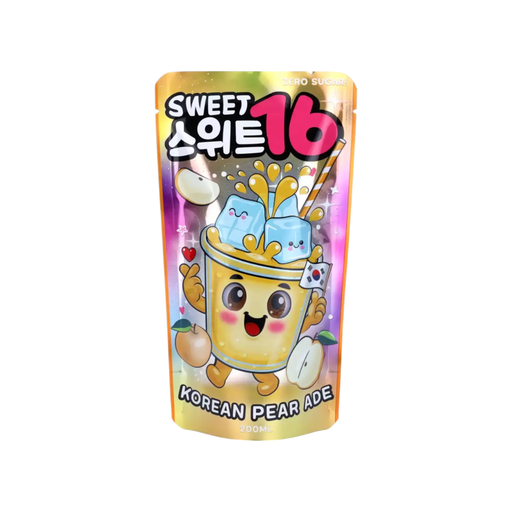
Why it suits this profile: A small pack is ideal for trying a Korean drink first without immediately ordering a large multipack.
The product name states zero sugar. Check the current nutrition table on the packaging before ordering.
200 ml per bottle; according to the product description, it contains none of the 14 major EU allergens and is intended to be enjoyed chilled.
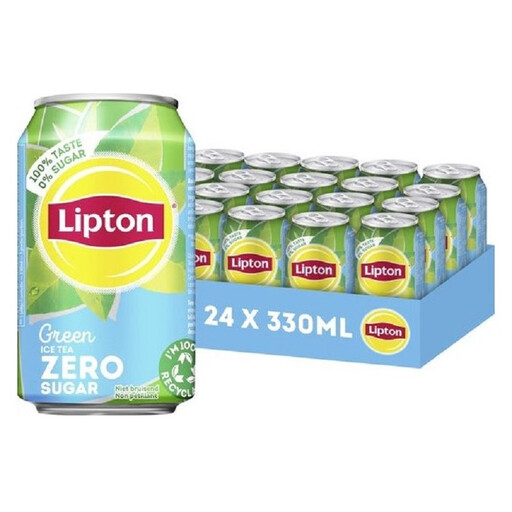
Why it suits this profile: A large multipack is ideal for households, offices and gatherings where a familiar sugar-free iced tea is required.
The product information states 0 grams of sugar and 1 kcal per 100 ml. However, compare this with the current packaging.
24 cans of 330 ml, with green tea extracts and a citrus flavour according to the product description.

Why it suits this profile: A box of twelve servings is practical for stocking up, entertaining guests or enjoying regularly at home.
The description states that it is 100% coconut water with no added sugar. This does not automatically mean it is sugar-free; check the table.
330 ml per can, with 2% real coconut pieces and no added sugar according to the product information.
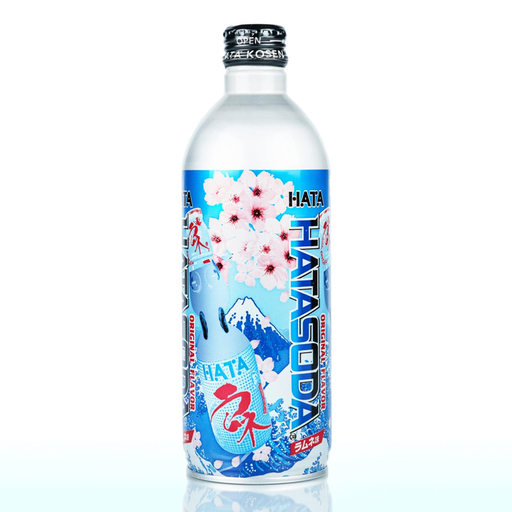
Why it suits this profile: This Japanese soft drink is ideal for parties, picnics and anyone who values the bottle and the experience of drinking it as much as the flavour.
The volume and nutritional values are clearly stated: 500 ml and 9.5 grams of sugar per 100 ml according to the product information.
Traditional bottle with a glass marble, no added artificial colourings according to the product description, and ideal for sharing.
We’ve put together a complete, up-to-date list of products that fully meet these strict selection criteria and the applicable European safety regulations.
It varies from product to product. According to the label, drinks marked “zero” may contain 0 grams of sugar, but often use sweeteners. Lipton Ice Tea Green Zero and Lipton Sparkling Zero Ice Tea state in the product information that they contain no sugar. Always check the current nutrition table and ingredients list.
Follow the instructions on the label. Many drinks need to be refrigerated after opening and consumed shortly afterwards. Unopened cans, bottles and cartons should generally be stored in a cool, dry place away from direct sunlight. Coconut water in a 1-litre pack requires extra attention after opening, as you may not use it all at once.
Ordering online can be convenient when you’re looking for a multipack, a specific Korean or Japanese flavour, or several varieties at once. Compare the price per litre, delivery costs, pack size and shelf life. For trying a drink for the first time, a small pack is often the wiser choice; for an office, event or large household, a box containing several cans may be more practical.
