
Vandaag of morgen in huis

Kwaliteit gegarandeerd

Welkomstaanbiedingen ontgrendelen: GRATIS bezorging | Tot 80% korting | Gratis 30 dagen JoyPlus-proefperiode
Download de app
Buying an Asian watermelon drink sounds simple, until you look at the range available. There are fizzy soft drinks, fruit drinks with juice, Japanese Ramune in glass bottles and Korean drinks in handy pouches. The packaging may suggest an intense fruit flavour, while the actual watermelon content is limited. The difference between a single serving and a multipack also affects price, storage and how you use it.
This practical guide helps you compare watermelon soft drinks and other tropical fruit drinks using clear, checkable criteria. That way, you can avoid choosing based solely on eye-catching packaging or a familiar brand name.
A product with watermelons on the label could be a soft drink flavoured with aromas, a fruit drink containing concentrated juice or a juice product with a high fruit percentage. Always check the ingredients list and the stated juice percentage.
For example, KATO Watermelon Juice with Nata de Coco states that it contains 25% watermelon juice, alongside 15% nata de coco. According to the product information, Mela Original contains 99% watermelon juice. These are two clearly different types of drink, even though both have a watermelon flavour.
Marketing terms such as “refreshing”, “natural” or “low calorie” do not automatically describe a drink’s nutritional value. Check the table per 100 ml and calculate the total amount for a can or bottle. A drink containing 10 grams of sugar per 100 ml contains around 33 grams of sugar in a 330 ml pack.
Nutritional values vary considerably. Hatakosen Ramune Watermelon lists 10.2 grams of sugar per 100 ml. Jardin Cafe Real Watermelon Ade lists approximately 6 grams of carbohydrates per 100 ml. The exact information on the packaging remains the definitive source.
A box containing 12 or 24 units can be convenient for a party, office or cupboard. If you want to try a flavour first, a single bottle or pouch makes more sense. Also consider the packaging format: a glass Ramune bottle is a fun choice for a Japanese-themed evening, but it is less suitable for taking with you than a can or pouch.
First, decide whether you are looking for a watermelon soft drink, fruit drink or juice drink.
A brand’s claim about flavour or effects is not an established fact. According to Mela’s own product information, the drink contains 99% watermelon juice and vitamin C. Check the current packaging before buying, as the ingredients and labelling may change.
Use the nutritional information table to compare products fairly. Pay attention to:
A lower calorie content does not mean that a product is suitable for everyone. It only tells you about the stated nutritional value. Also check the ingredients list for sweeteners, preservatives and any colourings.
Before placing your order, check the net quantity, number of units and shelf-life information. Products should be stored in a cool, dry place away from direct sunlight, following the stated instructions. Once opened, many drinks should be refrigerated and consumed within the specified period.
Product pages sometimes include general allergen information. The physical packaging may contain more or different information. Always read the label, particularly for products containing nata de coco. KATO’s product information states, among other things, that traces of coconut may be present; allergen information may differ for other variants.
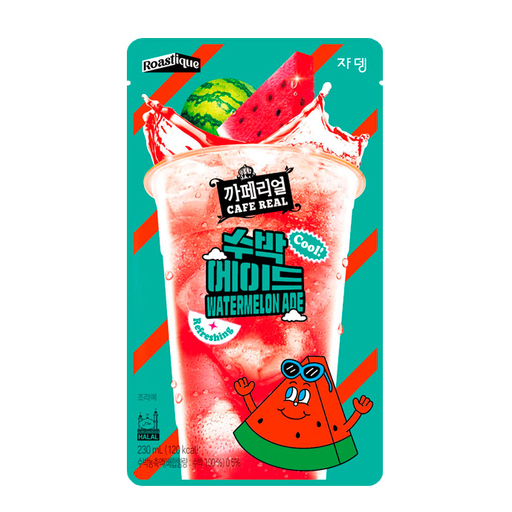
Why it suits this profile: The 230 ml pack is a manageable size for anyone who wants to try an Asian watermelon drink without ordering a large box straight away.
The product information states that it contains concentrated watermelon juice and approximately 6 g of carbohydrates per 100 ml, allowing you to compare the ingredients rather than judging it solely by the front of the pack.
230 ml, fizzy and ready to drink; convenient for a picnic, party or chilled serving at home.
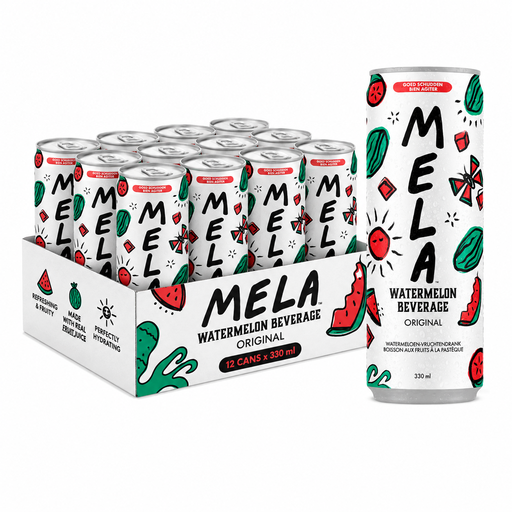
Why it suits this profile: If the fruit content is your main priority, the product description states that this multipack contains a drink made with 99% watermelon juice.
The stated fruit percentage is clearly shown in the product information. This makes it easier to distinguish the drink from a soft drink consisting mainly of carbonated water and flavouring.
12 × 330 ml, 30 kcal per 100 ml according to the stated table, and suitable for serving chilled from your stock cupboard.
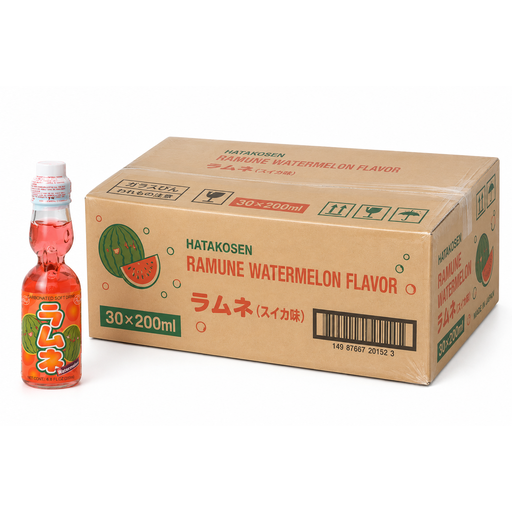
Why it suits this profile: This Japanese watermelon Ramune is ideal for parties, tastings and fans of the distinctive glass bottle with marble stopper.
The serving size and packaging are clear from the outset: 30 bottles of 200 ml. You therefore know that part of the price pays for the serving experience, not just the drink itself.
30 individual bottles; 41 kcal and 10.2 g of sugar per 100 ml according to the product details; suitable for serving chilled.
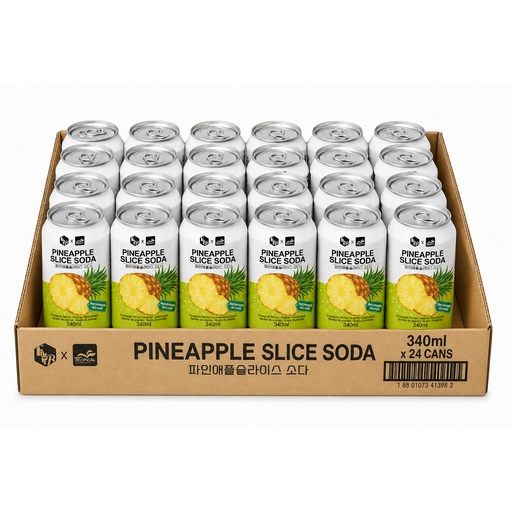
Why it suits this profile: For anyone who wants to alternate watermelon with pineapple soft drinks and is looking for a tropical fruit drink containing a visible piece of fruit.
The product description states that it contains 2.85% pineapple slices and 0.17% pineapple juice concentrate. You can therefore weigh the fruit content against the sugar level of 12.08 g per 100 ml.
24 340 ml cans; carbonated; according to the product information, contains a pineapple slice for a different drinking experience.
We have put together a complete, up-to-date list of products that fully meet these strict selection criteria and the applicable European safety regulations.
Choose a single fruit drink can or a pouch when you want to try a new flavour. A multipack makes most sense when you already know the drink, want to serve several people or regularly drink Asian soft drinks.
Would you like to combine different flavours? Alongside watermelon drinks, explore melon soft drinks, Korean watermelon drinks, nata de coco drinks and pineapple varieties. When ordering online, pay attention to:
A product page is useful for an initial comparison, but the current physical packaging remains the most important source of information for ingredients, nutritional values and warnings.
Ramune is a Japanese fizzy soft drink, often recognisable by its glass bottle with a marble seal. Ordinary watermelon soft drinks may come in a can, bottle or pouch and do not always have the same opening method. Pay particular attention to the sugar content, serving size and packaging.
No. A watermelon drink may contain carbon dioxide, sugar, flavourings and a limited amount of juice. Watermelon juice or a fruit drink with a high juice percentage states this amount in the ingredients list. Also check whether the product is made from concentrate.
Always follow the label. In general, store an opened drink in the fridge and consume it within the stated period. Store an unopened drink in a cool, dry place away from direct sunlight, in accordance with the product information. Take extra care when handling glass bottles during transport.
