
Vandaag of morgen in huis

Kwaliteit gegarandeerd

Welkomstaanbiedingen ontgrendelen: GRATIS bezorging | Tot 80% korting | Gratis 30 dagen JoyPlus-proefperiode
Download de app
Have you ever been in the kitchen, proud of your homemade dumplings or a fresh poké bowl, only to find that the taste is just not right? Chances are, the culprit is in an unassuming bottle: the vinegar. The world of Asian vinegar is surprisingly complex. The wrong choice can give an authentic dish a flat or even unpleasant taste.
As a Joybuy Product Recommendation Officer, I often see where things go wrong. Many home cooks fall into a few common traps. Let's clear those up first, so your next Asian meal tastes exactly as it should.
You don't need to decipher ingredient lists to choose the right bottle. Pay attention to the following three practical characteristics that determine how the vinegar tastes and what you can use it for.
The base ingredient is the most important factor for flavour. Most Asian vinegars fall into a few main categories:
Besides the base ingredient, the brewing process determines the final taste. Look for the following descriptions:
Check the ingredient list. A pure vinegar often contains only water, rice (or another grain), and sometimes salt. Other varieties may contain sugar, caramel (for colour), or flavour enhancers. This isn't a sign of poor quality, but it's important to know what you're buying. A vinegar with "zero additives" gives you a pure base, while a seasoned variety offers convenience.
To get you started, we've matched some popular choices with specific cooking styles.
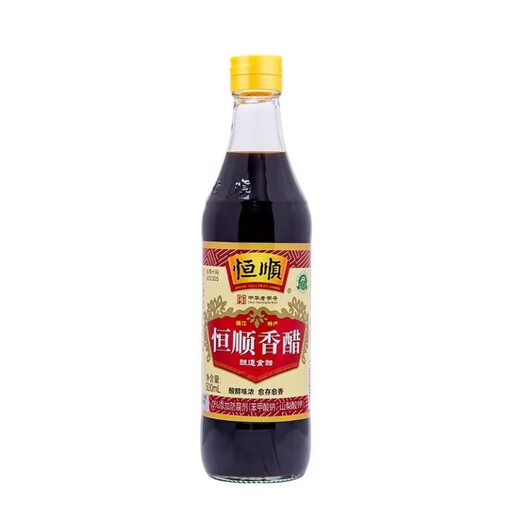
Why This Fits Their Persona: Ideal for those seeking the authentic, deep, and slightly sweet flavour for dumplings or as a base for a complex dipping sauce. This is a classic Zhenjiang vinegar that enhances the umami in savoury dishes.
This isn't a generic 'Asian vinegar' but a specific Chinese black vinegar. Its complex, malty flavour is precisely what's needed for dishes like dumplings, preventing the flat taste that comes from using the wrong rice vinegar.
Traditionally brewed from glutinous rice and wheat for an authentic, layered taste. Perfect as a pure dumpling vinegar or mixed with soy sauce and chilli oil.
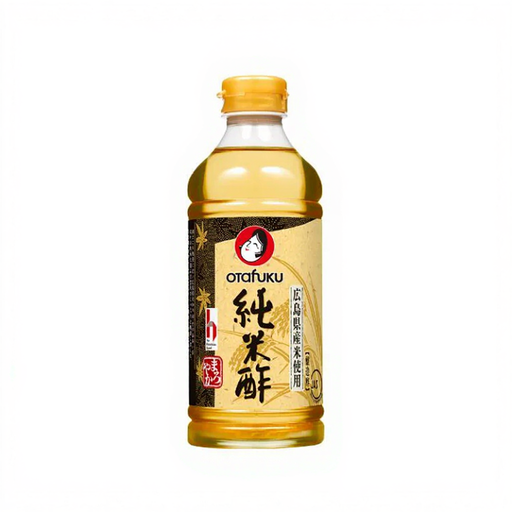
Why This Fits Their Persona: Perfect for home cooks who want to season their own sushi rice or create a light, fresh dressing for salads and pickled vegetables (sunomono). The mild flavour is not overpowering.
This pure rice vinegar is unseasoned, unlike many ready-to-use 'sushi vinegars'. This gives you complete control over the sweet-salty balance and prevents your dish from becoming too sweet from hidden sugars.
Made from only water and rice. A pure, mild Japanese base that doesn't overpower other flavours and ensures an authentic result.
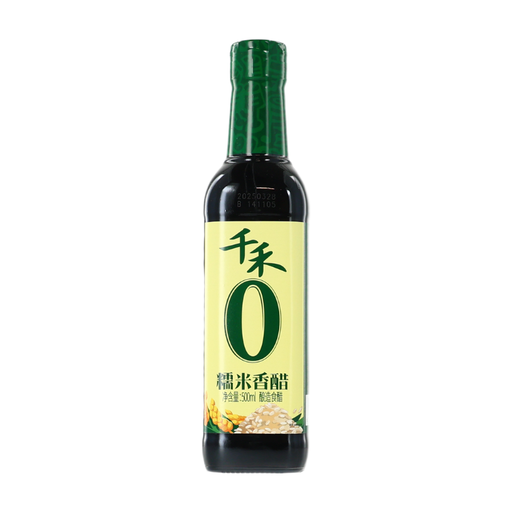
Why This Fits Their Persona: For the cook who loves to experiment with various Asian cuisines, from stir-fries to marinades, and wants a reliable, flavourful base vinegar in their pantry.
Whereas a cheap white rice vinegar is often sharp and one-dimensional, this glutinous rice vinegar offers a softer, more rounded acidity. This prevents the 'harsh' vinegar taste that can spoil a dish.
Brewed from glutinous rice for a soft, aromatic flavour. According to the manufacturer, Qianhe, the product contains zero additives, ensuring a pure taste. Highly versatile.
We've compiled a complete, up-to-date list of products that fully meet these strict selection criteria and current regulations.
The biggest difference is in the base ingredients and flavour. Japanese rice vinegar is usually light in colour and has a mild, smooth taste, ideal for sushi and salads. Chinese black vinegar, such as Zhenjiang vinegar, is made from a mix of grains, is dark in colour, and has a much more complex, malty, and slightly sweet flavour. It is better suited for savoury dipping sauces and braised dishes.
Vinegar is naturally shelf-stable. Store an opened bottle in a cool, dark place, like a kitchen cupboard. It's important to screw the cap on tightly to preserve the aromas. Refrigeration is usually not necessary but can help maintain quality over the very long term.
It is not recommended. Regular white distilled vinegar is much sharper and more aggressive in flavour than most Asian rice vinegars. It can completely disrupt the delicate balance of an Asian dish. If you don't have rice vinegar on hand, a mild white wine vinegar or apple cider vinegar can sometimes be a better, though not perfect, substitute. However, for an authentic result, it's always best to use the correct type of Asian vinegar.
