
Vandaag of morgen in huis

Kwaliteit gegarandeerd

Welkomstaanbiedingen ontgrendelen: GRATIS bezorging | Tot 80% korting | Gratis 30 dagen JoyPlus-proefperiode
Download de app
If you want to bring the authentic flavours of Asian cuisine into your home, a good bottle of vinegar is indispensable. But the selection is overwhelming. The shelves are filled with bottles that look nearly identical but yield completely different results. As a result, many home cooks buy the wrong type, leading to dishes that don't taste as hoped. Let's go over the most common pitfalls so your next purchase is the right one.
Pitfall 1: The "Aromatic" or "Black" Vinegar Trap Many bottles are labelled "aromatic vinegar" or "black vinegar." This often leads to confusion. A dark colour doesn't automatically mean a rich, complex flavour. Some cheaper varieties get their colour from added caramel and lack the depth of a truly aged vinegar. You're paying for appearance, not for taste.
Pitfall 2: The Wrong Vinegar for the Right Dish Not every Asian vinegar is an all-rounder. A powerful, earthy Chinese black vinegar can completely overpower a subtle dish, while a light, clear rice vinegar lacks the body for a stew. Buying one type of vinegar for all applications is a common mistake that leads to disappointing flavours. A good dumpling vinegar, for example, has a very different profile than a vinegar for pickling vegetables.
To avoid a bad purchase, it's helpful to pay attention to a few objective characteristics. These specifications determine the vinegar's flavour, quality, and application.
The foundation of the flavour lies in the ingredients. The choice of raw material is decisive for the final character of the vinegar.
The term aged vinegar is a key quality indicator. Just like with wine or balsamic, a longer ageing period results in a deeper, more complex, and milder flavour. The sharp edges of the acidity soften and give way to mellow, umami-rich notes. A vinegar that has been aged for three or even six years offers a noticeably richer taste experience than a non-aged version.
To help you make the right choice, we've matched several popular products to specific cooking profiles.
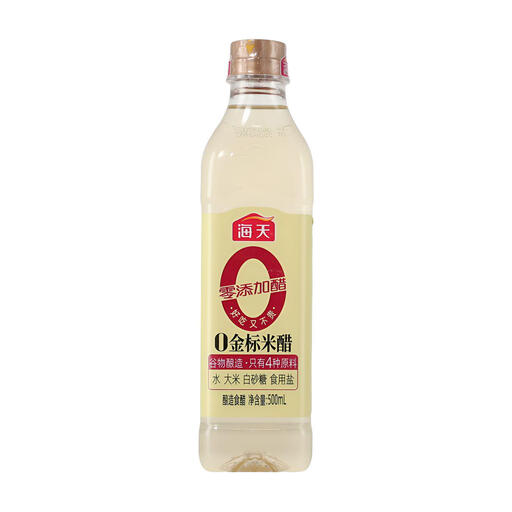
Why This Fits Their Persona: Ideal for those just starting with Asian cuisine. This rice vinegar is versatile and has a pure, clean taste. Perfect for salad dressings, quick marinades, or as a base for sauces, without an overpowering character.
You're not buying an overly specific, heavy vinegar that's only useful for one dish. Its clear composition avoids the pitfall of unnecessary additives that muddle the flavour.
Naturally brewed with 11% rice for a pure taste. Suitable for a wide range of dishes, from cold to hot.
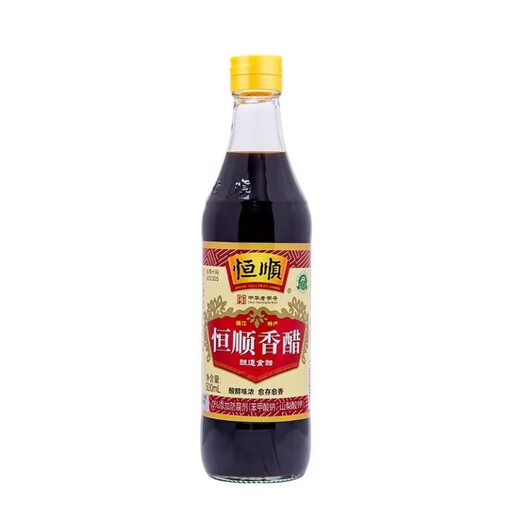
Why This Fits Their Persona: This is a classic Zhenjiang vinegar, the standard choice for an authentic dumpling vinegar. The balance of sour, sweet, and umami is just right for dipping sauces for dumplings, wontons, and other dim sum.
You're buying the correct, iconic vinegar for your purpose right away, instead of a generic "black vinegar" that lacks the characteristic depth of flavour. This prevents a disappointing dipping sauce.
Brewed from glutinous rice and wheat, which provide an aromatic and mellow flavour. A product from Hengshun, a renowned brand in the world of Chinese vinegar.
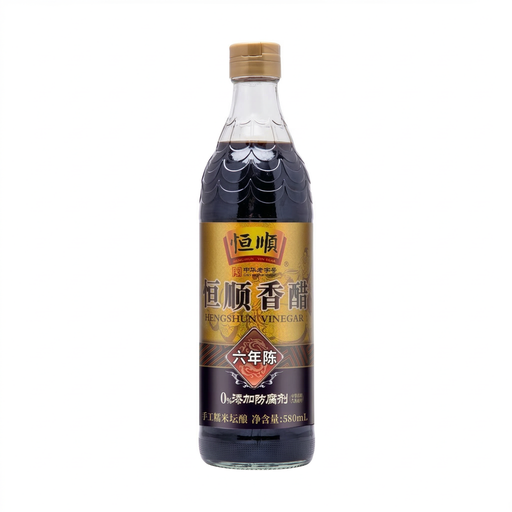
Why This Fits Their Persona: For the cook who seeks depth and complexity. The six-year ageing process provides an exceptionally smooth, rich, and layered flavour that surpasses standard vinegars. Perfect for elevating dishes to the next level.
This product goes beyond marketing claims and delivers real, verifiable quality through its six-year ageing period. You are investing in an authentic ageing process, not just a colour.
A complex, smooth, and full-bodied flavour thanks to the long ageing. Made from glutinous rice, wheat bran, and barley for an authentic and rich flavour profile.
We have compiled a complete, up-to-date list of products that fully meet these strict selection criteria.
The main difference lies in the base ingredients and flavour profile. Chinese black vinegar is usually made from grains like sorghum and wheat, resulting in a dark, complex, earthy, and sometimes slightly smoky flavour. Japanese rice vinegar is made from rice and is typically much lighter, milder, and more subtle in taste, making it ideal for more delicate applications like sushi.
Most types of Asian vinegar are best stored in a cool, dark place, such as a kitchen cupboard. For aged vinegar or varieties with a complex flavour, it is often recommended to refrigerate them after opening. This helps to preserve the delicate aromas and taste as well as possible. Always check the label for specific storage instructions.
This is generally not recommended. Regular white distilled vinegar is much sharper and has a one-dimensional sour taste. Asian vinegars, such as rice vinegar or Zhenjiang vinegar, have a much more complex profile, often with sweet, salty, and umami notes. Making the substitution will disrupt the balance of your dish and won't produce the authentic result you're looking for.
