
Vandaag of morgen in huis

Kwaliteit gegarandeerd

Welkomstaanbiedingen ontgrendelen: GRATIS bezorging | Tot 80% korting | Gratis 30 dagen JoyPlus-proefperiode
Download de app
If you’re looking for Asian vinegar, you’ll quickly come across bottles with similar names but big differences in colour, acidity, ageing and ingredients. A Chinese black vinegar works very differently in a dumpling dipping sauce than in a Japanese ponzu. And a white vinegar isn’t automatically right for every salad or marinade.
For home cooks, keen amateurs and professional kitchens, the choice really comes down to the dish you’re making. Below, you’ll find out what to look for, which marketing claims to take with a pinch of salt, and which products suit different cooking styles.
A dark vinegar isn’t necessarily an aged vinegar. The colour can come from the raw ingredients, fermentation process, sugar content or other recipe choices. So always check the label for details like ageing time, ingredients and total acidity.
With a Chinese black vinegar, such as Zhenjiang vinegar or Shanxi vinegar, rice, sorghum, wheat bran and grain starters create a different flavour profile from clear rice vinegar. A Shanxi vinegar aged for three years, for example, has a pronounced, rounded sour character according to the product information. That doesn’t automatically mean it’s right for every dish.
Words like “traditional”, “premium” and “authentic” don’t tell you much on their own. Instead, look at the origin, the ingredients and the intended use on the label. Some products list China, Japan, South Korea or Turkey as the country of origin. The base ingredient is also key: rice, glutinous rice, fruit, wine or distilled vinegar.
According to the brands’ own product information, certain items are traditionally fermented or aged. Treat this as the brand’s product information and compare it with the ingredients list and the stated acidity.
Japanese ponzu is usually a blended seasoning made with soy sauce, citrus and vinegar, among other things. That’s different from pure rice vinegar. Ponzu can be used straight away as a dipping sauce, whereas rice vinegar is usually incorporated into a dressing, marinade or stir-fry.
Also watch out for allergens. Products containing soy sauce may include soya and wheat. Black vinegar made from wheat bran or barley may not be suitable for anyone avoiding gluten.
First, decide how you want to use it:
The total acidity is sometimes stated, for example, as 6.5 g per 100 ml or 5%. A higher value can mean a stronger sour note, but flavour also depends on ageing, sugar, salt and raw ingredients.
Use an intense vinegar in small amounts at first. This is especially relevant with aged black vinegar, because the aroma can be stronger than with white vinegar or mild apple vinegar. Products with usage advice like “dilute or heat” should not be drunk straight.
Check before you buy:
Store opened bottles tightly sealed, in a cool place away from direct sunlight, unless the label says otherwise. Pay extra attention to the product instructions for ponzu, as it is a blended sauce.
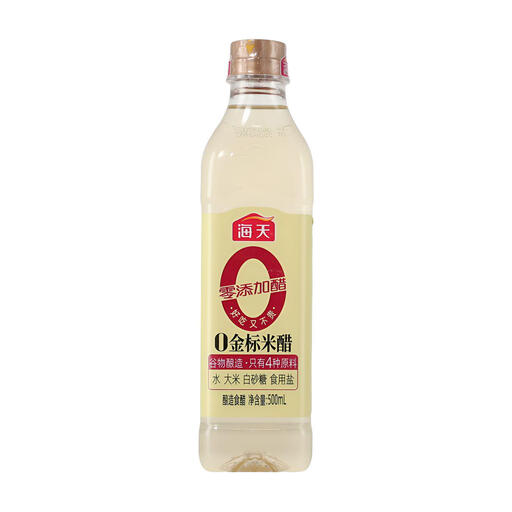
Why it suits this profile: The rice base and 500 ml volume make this a practical choice for cold dishes, stir-fries and everyday use.
The ingredients list states water, rice, sugar and salt, so you’re not relying on colour or marketing terms alone.
Rice vinegar with a mild nutritional profile per 100 ml and a versatile 500 ml bottle.
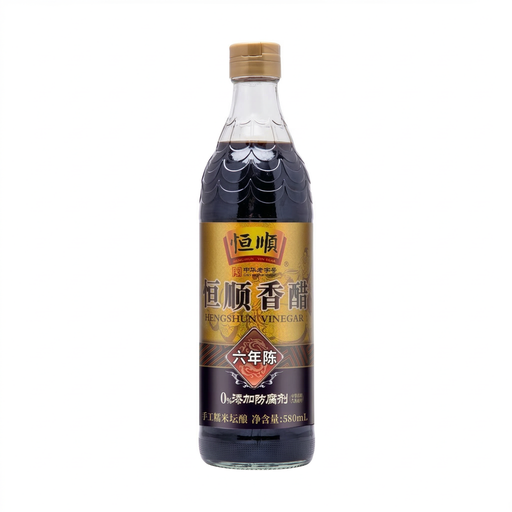
Why it suits this profile: The stated six-year ageing and glutinous rice base suit cooks looking for a complex vinegar for dumplings, sauces and braised dishes.
The ageing time, ingredients and allergens are clearly stated. So the dark colour isn’t the only thing to judge it on.
580 ml volume, six years of ageing according to the product description, and suitable for dips, salads, marinades and hot dishes.
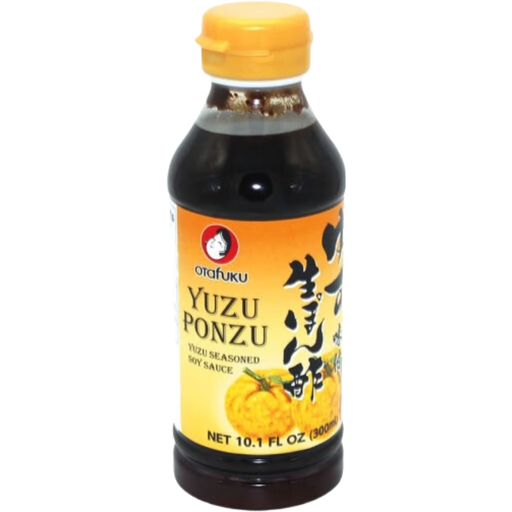
Why it suits this profile: This Japanese ponzu is designed for immediate use as a dipping sauce, dressing or marinade, saving you extra mixing while cooking.
The product description makes it clear this is ponzu, not pure vinegar. The ingredients include soy sauce, yuzu and white distilled vinegar.
Handy 300 ml PET bottle, yuzu flavour and ready to use with salads, grilled dishes and marinades.
We’ve put together a full, up-to-date list of products that fully meet these strict selection criteria and comply with current European safety regulations.
Chinese black vinegar is often made with glutinous rice, sorghum or grain and usually has a darker colour and fuller aroma. Rice vinegar is generally lighter and milder. Use black vinegar for dumplings, noodles, soups and braised dishes; rice vinegar works well in dressings, stir-fries and cold preparations.
For dumplings, Zhenjiang vinegar, other Chinese black vinegars and some Shanxi vinegars are logical choices. You can use them neat or mix them with soy sauce, sesame oil, chilli or fresh ginger. Do check the salt content and any allergens present.
You can, but the flavour will change. Apple cider vinegar gives a fruity sour note, and Korean apple vinegar works well with salads, marinades and cold noodles. Red wine vinegar has a distinct wine-like aroma and is suitable for salads and Mediterranean dishes. For an authentic Chinese dipping sauce, an aged black vinegar is usually more appropriate.
