
Vandaag of morgen in huis

Kwaliteit gegarandeerd

Welkomstaanbiedingen ontgrendelen: GRATIS bezorging | Tot 80% korting | Gratis 30 dagen JoyPlus-proefperiode
Download de app
The world of Asian vinegar is vast and diverse. From deep, complex black vinegars to light, crisp rice vinegars, the right bottle can transform a dish. But with so much choice, it's easy to grab the wrong one. The wrong purchase not only leads to a disappointing dish but also a bottle left to gather dust in the pantry. Let's explore the most common pitfalls and how to avoid them.
A frequent mistake is choosing a vinegar based on a vague description. Not all "rice vinegars" are created equal, and using a heavy, aged vinegar in a dish that calls for a light variety can completely overpower the flavour. Another pitfall is ignoring the ingredients list. Some vinegars contain unnecessary additives like flavour enhancers or excessive sugar, which masks the pure, brewed taste.
To make an informed choice, it's helpful to focus on a few objective characteristics. These specifications provide a clear picture of the flavour and quality, helping you see past marketing claims.
The raw material determines the fundamental character of the vinegar. The most common types are:
The production method has a major impact on the flavour. Traditionally brewed vinegar, often through solid-state fermentation, develops a richer, more layered flavour than industrially produced alternatives.
The total acidity, expressed in g/100ml, is also a useful indicator. A higher acidity (e.g., ≥ 6.0g/100ml) indicates a sharper, more intense flavour, while a lower value (around 3.5-4.5g/100ml) results in a milder vinegar. Choose based on your personal preference and the dish you plan to prepare.
To help you with your choice, we've highlighted a few products tailored to specific needs and cooking styles.
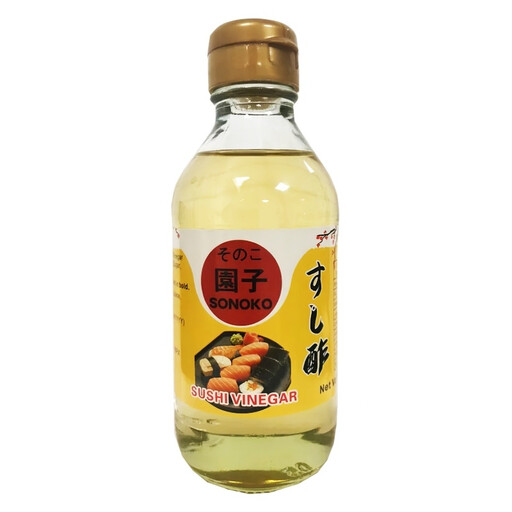
Why This Fits Their Persona: For those who want to make perfect sushi at home without guessing the right proportions. This ready-to-use sushi vinegar offers convenience and a consistent, authentic Japanese flavour balance.
Avoids the 'wrong type of vinegar' pitfall. This product is specifically formulated for sushi rice, ensuring you get the right result every time.
Ready-to-use straight from the bottle. The sweet-and-sour balance is already perfectly calibrated for sushi rice.
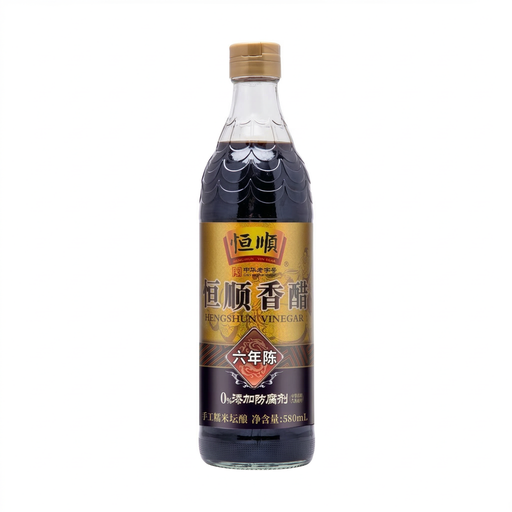
Why This Fits Their Persona: For the cook seeking the deep, complex flavour of an authentic Zhenjiang vinegar. The six-year ageing process provides unparalleled depth, making it ideal as a vinegar for dumplings or in braised dishes.
This is a premium aged vinegar where the ageing period genuinely contributes to its complexity, unlike products that merely claim to be 'aged'.
Aged for six years for a smooth, full-bodied flavour. Made by Hengshun, a renowned brand for traditional Chinese vinegar.
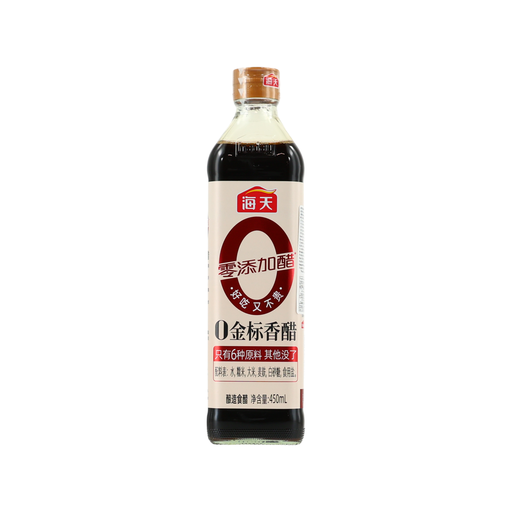
Why This Fits Their Persona: Ideal for those who consciously choose pure products. This vinegar is free from additives, allowing the authentic taste of traditionally brewed vinegar to shine through.
Directly tackles the pitfall of hidden additives. The '0 Addition' claim is backed by a simple ingredient list: water, rice, salt, and sugar.
Free from added colours, preservatives, and flavour enhancers. A pure and mellow taste achieved through traditional fermentation.
We have compiled a complete, real-time list of products that fully satisfy these strict selection criteria and UK safety regulations.
The main difference lies in the raw materials and production process. Chinese black vinegar is typically made from grains like sorghum and wheat and undergoes a long ageing process, resulting in a dark, complex, and malty flavour. Japanese rice vinegar is made from rice and is generally much lighter, milder, and more subtle in taste, making it suitable for more delicate applications like sushi and salads.
Most vinegars have a long shelf life due to their high acidity. For optimal flavour, it is best to store the bottle tightly sealed in a cool, dark place, such as a kitchen cupboard. Some manufacturers recommend refrigeration after opening to best preserve the taste, so always check the label.
Absolutely. Although sushi vinegar is specifically formulated for rice, it is essentially a seasoned rice vinegar. Its balanced sweet-and-sour taste makes it an excellent base for salad dressings, a quick marinade for vegetables, or a flavouring agent in a dipping sauce.
