
Vandaag of morgen in huis

Kwaliteit gegarandeerd

Welkomstaanbiedingen ontgrendelen: GRATIS bezorging | Tot 80% korting | Gratis 30 dagen JoyPlus-proefperiode
Download de app
When searching for Asian vegetarian snacks, you’ll quickly come across terms like “high protein”, “authentic mala” and “vegetarian meat”. But an eye-catching packet doesn’t tell the whole story. A snack may be high in protein, yet also contain a fair amount of salt, allergens or sugar. What’s more, not all soya products are vegan, and a product designed for hotpot isn’t necessarily suitable for eating straight from the packet.
With this guide, you can compare flavours, nutritional values, packaging and preparation methods without relying solely on marketing claims.
Many snacks are made from soya or wheat, but can also contain milk, cheese, honey or other animal-derived ingredients. For example, the Yan Jin Pu Zi Spicy Tofu Cream Cheese Snack contains a cheese-like flavouring and lists soya as an allergen. The Family Whole Nutritious Cereal Milk also contains milk powder.
Always check the full ingredients list and allergen information. If you’re looking for vegan tofu snacks, choose a product whose composition doesn’t mention milk or other animal ingredients. Also be mindful of cross-contamination if you follow a strict vegan diet.
A higher protein level can be appealing if you want a filling snack, but it says nothing about the salt or fat content. According to the product information, HAO BA SHI Nanxi Tofu Jerky contains 20g of protein and 2.88g of salt per 100g. The Hao Ba Shi Vegetarian Beef Steak lists 20g of protein and 3.1g of salt per 100g.
Always compare the nutritional values per 100g. A small packet may be convenient, but the total amount of salt or fat still matters if you eat several portions.
Dried tofu and tofu jerky are generally intended to be eaten straight away. Tofu for hotpot, tofu skin and fried tofu, on the other hand, absorb broths and sauces and need to be heated or soaked. A product suitable for hotpot isn’t automatically a ready-to-eat snack.
Look on the label for terms like “ready to eat”, “keep frozen” and the recommended preparation time. This way, you’ll avoid a bulk pack sitting unused in the freezer.
The main base is usually soya, soya protein isolate or wheat gluten. Soya products such as mala tofu, dried tofu and tofu jerky often have a firm, springy bite. Vegetarian meat made from wheat gluten can feel more fibrous and dense.
Examples from the range:
With wheat gluten, always check for the mention of gluten-containing cereals. For all the tofu varieties listed, soya is a key allergen.
A spicy tofu snack may contain chilli, while mala tofu typically also uses Sichuan pepper. This combination gives the characteristic tingling, aromatic taste. The intensity varies by recipe and brand, so look for chilli, Sichuan pepper and spices in the ingredients list.
If you prefer a milder flavour, you can choose fried tofu or tofu rolls and pair them with a gentle broth. If you’re after a more pronounced snack, consider Youyou Mala Dried Tofu, Bestore Chewy Tofu Snack Mala Flavour or the vegetarian steak with Sichuan-style spices.
A multipack is handy for work, school or sharing, but check how much product you’re actually getting. The Bestore Chewy Tofu Snack contains 128g split across seven sachets. The Yan Jin Pu Zi pack contains 20 portions of 16g each. This makes portioning easy.
Also pay attention to storage:
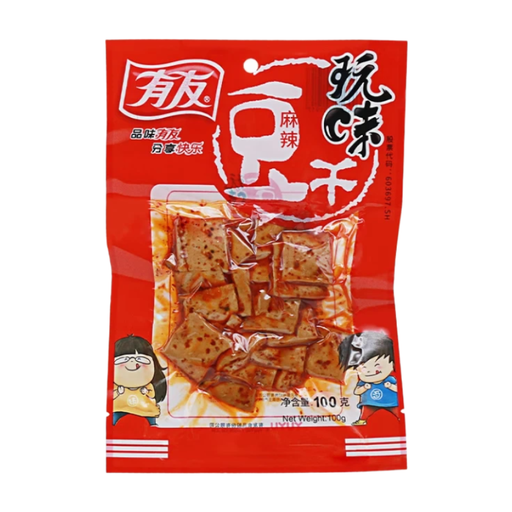
Why this fits the profile: A compact, ready-to-eat pack to try mala tofu first without buying a large supply.
The packaging clearly states the snack can be eaten straight away. Nutritional values are listed per 100g, including 20.7g of protein and 990mg of sodium.
100g, ready-to-eat, soya as the main ingredient and a classic mala flavour with chilli and spices.
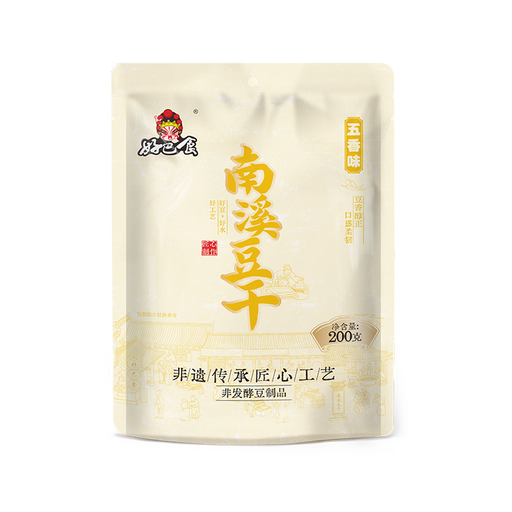
Why this fits the profile: A larger pack for fans of a firm tofu jerky texture and a spicy Sichuan style.
The product information gives concrete values for protein, fat, carbohydrates and salt. Soya, wheat and sesame are also listed as allergens.
200g, ready to eat, 20g of protein per 100g and a chewy texture with multiple spices.

Why this fits the profile: For hotpot lovers who want to combine several textures: frozen tofu, tofu skin, tofu puffs and fried tofu rolls.
The set gives a preparation time for each component. The product must be stored frozen at -18°C or below and is not intended as a snack without heating.
500g, four different tofu varieties and clear instructions for use in boiling broth.
We’ve put together a full, up-to-date list of products that fully meet these strict selection criteria and comply with current European safety regulations.
For Japanese flavours, Kohyo KHY Oishii Hikiwari Natto is an option made from finely ground soya beans. This product is delivered frozen and comes with a sauce and mustard, so check the allergens before using it.
For hot meals, Yamato Japanese Fried Bean Curd and FENGHEJU Soybean Rolls are suitable for adding to soup, stir-fries or hotpot. According to the product information, the FENGHEJU rolls are briefly dipped in broth until they soften.
If you’re after convenience at breakfast, consider Asian breakfast cereals or instant soya milk powder. Soyspring Soybean Drink Powder comes in six sachets of 25g. According to the preparation instructions, you add 150 to 200ml of hot water per sachet. Check whether milk or sugar in the ingredients suits your dietary preference.
No. Some products are based on soya or wheat, but can contain milk, cheese or other ingredients. Read the ingredients list and allergen information. A product labelled “vegetarian” is not automatically vegan.
Tofu jerky and dried tofu are usually ready to eat and have a firm, chewy texture. Tofu for hotpot is meant to be heated in broth. It absorbs flavours and often has a softer or spongier texture after cooking.
This varies by product. Dry snacks should generally be stored well sealed and in a cool place. Some packs state you need to consume them quickly after opening; others require refrigeration. Always follow the instructions on the label and don’t use an opened product if the packaging or smell seems off.
