
Vandaag of morgen in huis

Kwaliteit gegarandeerd

Welkomstaanbiedingen ontgrendelen: GRATIS bezorging | Tot 80% korting | Gratis 30 dagen JoyPlus-proefperiode
Download de app
The world of Asian vegetarian snacks is vast and filled with unexpected flavors. From spicy, meaty textures to unique, chewy sensations, there is always something new to discover. But the online selection can be overwhelming. Products promise an authentic experience but sometimes deliver a disappointing, vague flavor or a spongy texture.
Before you fill your shopping cart, it's helpful to know what to look for. Common pitfalls include:
By understanding a few key aspects, you can navigate the options more easily and choose a snack that truly suits your taste.
To prevent a disappointing purchase, it's useful to look beyond the marketing. Pay attention to the following three specifications to determine if a snack is worthwhile.
The texture of a snack is largely determined by its base ingredient. This is the core of the experience.
Asian snacks are known for their complex and bold flavors. To know what to expect, look at the details.
How and when do you want to eat the snack? The packaging plays a role here. Individually wrapped portions are convenient for on-the-go or if you want to pace your consumption. Larger bags or boxes are often more economical and ideal for sharing or if you already know it's a favorite. Brands like Wei Long often offer both options.
Based on these criteria, we have selected a few popular choices that cater to different preferences.
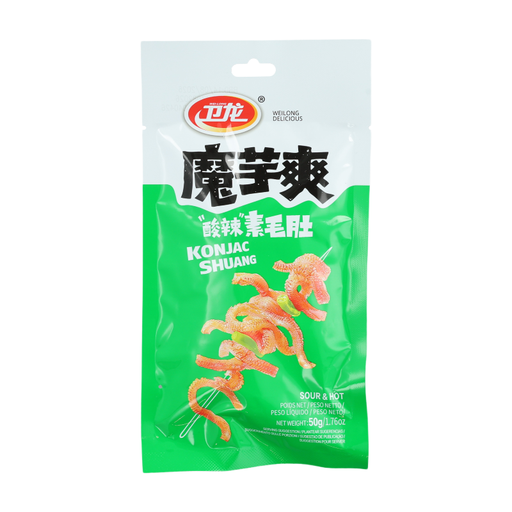
Why This Fits Their Persona: Perfect for those curious about the unique texture of konjac. The combination of sour and spicy is adventurous yet balanced, making it a great introduction to the world of Chinese snacks. The small packaging is ideal for trying it out without committing to a large supply.
This product is transparent about its texture (chewy konjac) and flavor profile (sour-spicy). No vague promises—you know what you're getting.
Low in calories with a unique, satisfying texture. The flavor is complex and stays interesting until the last bite.
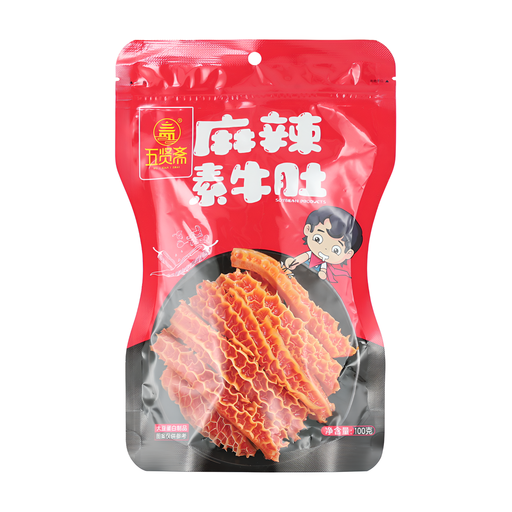
Why This Fits Their Persona: For those actively seeking the authentic Sichuan 'mala' experience. This snack isn't just spicy; it delivers the signature combination of heat and the numbing tingle beloved in Chinese cuisine.
This product sidesteps the pitfall of vague flavor claims. The name and description promise 'mala,' and the ingredients list confirms the presence of Sichuan pepper.
Delivers an authentic mala sensation. The crisp konjac base is an excellent vehicle for the intense spices.

Why This Fits Their Persona: Ideal for those seeking a snack that's not just tasty, but also functional. This soy-based snack is a high-protein vegetarian meat substitute that provides lasting satiety. Perfect as a post-workout snack or to beat the afternoon slump.
The 'spongy' texture trap is avoided here. The texture is intentionally designed to be fibrous and firm, similar to meat, providing a satisfying eating experience.
Very high in protein (20 g per 100 g) with a firm, meaty bite. The classic spicy flavor makes it a savory and filling snack.
We've curated a complete, up-to-date list of products that fully meet these strict selection criteria and comply with current regulations.
Konjac is a root vegetable widely used in Asia. Snacks are made from its flour. The snack itself has little natural flavor, but its texture is unique: firm, springy, and sometimes crisp. Because it excellently absorbs the flavors of marinades and sauces (like spicy or sour varieties), it's a versatile base for flavorful, low-calorie snacks.
Not automatically. Although the base of many Chinese snacks is plant-based, it's always wise to check the ingredients list. Sometimes they can contain traces of milk or egg, or use additives that are not strictly vegan. We clearly specify the allergens on each product page so you can make an informed choice.
'Mala' is a combination of two Chinese words: má (numbing) and là (spicy). The spiciness comes from chili peppers, while the signature, almost citrus-like tingle on the tongue is caused by Sichuan pepper. It's a more complex flavor than just 'hot.' The intensity can vary by product, but it's always a unique taste experience that goes beyond pure heat.
