
Vandaag of morgen in huis

Kwaliteit gegarandeerd

Welkomstaanbiedingen ontgrendelen: GRATIS bezorging | Tot 80% korting | Gratis 30 dagen JoyPlus-proefperiode
Download de app
When buying Asian tropical drinks online, you will quickly come across eye-catching flavours, colourful packaging and terms such as “natural”, “sugar-free” or “rich in vitamin C”. That sounds appealing, but there are significant differences between a tropical fruit drink, an Asian soft drink and coconut water. The size and ingredients also determine whether a product suits the way you plan to use it.
Pay particular attention to these common pitfalls:
Always compare nutritional values per 100 ml. This allows you to compare a 330 ml fruit drink fairly with a 1-litre bottle. Sagiko Lychee Drink 320ml, for example, lists 10.62 grams of sugar per 100 ml. This means that a full pack contains considerably more sugar than the figure in the table might suggest.
A sugar-free fruit drink may have a different composition. Iam Superjuice Lychee states that it contains no added sugar and provides 15 kcal per 100 ml. The mango and passion fruit varieties also state that they contain no added sugar, with 17 kcal per 100 ml. Do check the current packaging, as recipes and labels may change.
“No added sugar” is therefore not the same as sugar-free. A drink may also contain sweeteners such as steviol glycosides, sucralose or acesulfame-K. If you are looking for a drink with no added sugar, it is also worth reading the ingredients list.
A lychee drink, mango drink or passion fruit drink may contain juice, juice from concentrate, purée or mainly flavourings. The fruit percentage helps you compare products more effectively. Iam Superjuice lists 30% fruit or fruit juice in several flavours, including mangosteen, passion fruit, lychee, mango and pink guava.
Coconut water is a different category altogether. Iam Superjuice Coconut Water states that it contains 100% pure coconut water and 2% real coconut pieces. This is not the same as a coconut-flavoured soft drink. According to the product information, Mogu Mogu Coconut Flavoured Drink contains coconut and nata de coco; check the allergen label if you are sensitive to coconut.
Also look out for terms such as “with fruit pulp”, “nata de coco” and “sparkling”. The texture of Mogu Mogu with nata de coco is different from that of a smooth tropical drink. The pieces of coconut jelly can be drunk through a straw, giving the drink a chewy texture.
A 330 ml fruit drink is convenient for travelling, lunch or a meal. A tray of 12 cans is suitable for stocking up or sharing at a gathering. 320 ml bottles, such as Mogu Mogu, are practical for a picnic or party. A 1- or 1.5-litre pack is better suited to serving several glasses at the table.
Also check the storage instructions. Many drinks should be stored unopened in a cool place away from direct sunlight. Once opened, they should generally be refrigerated and consumed within the period stated on the label. The best-before date is shown on the packaging, so do not rely solely on the information on a product page.
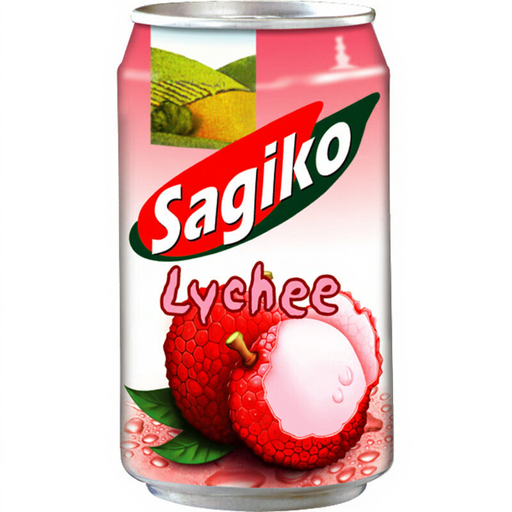
Why it suits this profile: A single pack is a straightforward way to try a lychee drink without immediately buying a large multipack.
The size helps limit waste when making a first purchase. The stated nutritional values make the sugar content easy to check: 10.62 g of sugar per 100 ml.
Lychee flavour, 320 ml capacity and, according to the product information, none of the 14 major EU allergens.
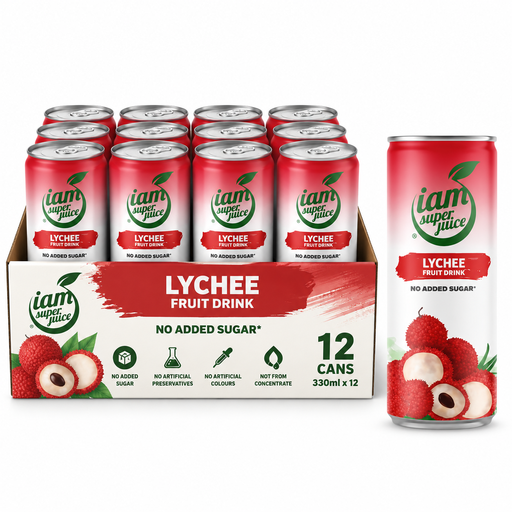
Why it suits this profile: If you pay attention to fruit content, portion size and added sugar, this tray provides clearly stated product specifications.
“No added sugar” should not be interpreted as “free from sugars”: the product information states 30% lychee juice and 15 kcal per 100 ml, while the label remains the definitive source.
30% natural lychee juice, 12 cans of 330 ml and, according to the product information, vitamin C.

Why it suits this profile: A tray of 12 cans works well for households, shared workplaces, meals and parties where multiple portions are needed.
The 330 ml portions avoid leaving a large bottle open for too long. However, check the sweetener used and the nutritional values on the current can.
30% mango juice, no added sugar according to the product information and 17 kcal per 100 ml.
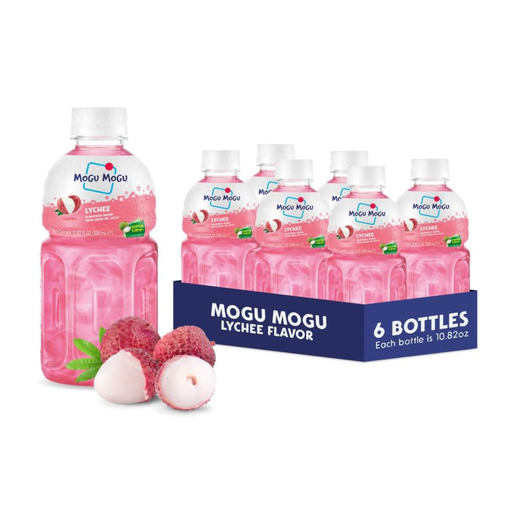
Why it suits this profile: The nata de coco provides a different drinking experience from a standard Asian soft drink and is ideal for sharing chilled.
The product information makes the texture and ingredients clear. Check the sugar content and colourings on the packaging before ordering.
Lychee flavour, nata de coco and six 320 ml bottles. According to the available product information, the drink contains sugar and fructose.
We have compiled a complete, up-to-date list of products that fully meet these strict selection criteria and the applicable European safety regulations.
Choose a multipack with individual portions of around 320 or 330 ml. This prevents an opened pack from being left standing unnecessarily and allows guests to try different flavours. Mogu Mogu with nata de coco stands out thanks to its pieces of coconut jelly. For a larger group, a tray of Iam Superjuice or a 1- to 1.5-litre bottle may be more practical.
Products such as Iam Superjuice Mango, Lychee, Passion Fruit, Mangosteen and Pink Guava are offered without added sugar according to their product information. This does not automatically mean that they contain no sugars. Check the nutritional table and ingredients list on the current label. Taksi Tropical Fruit Drink 300 ml also states that it contains no added sugar, but it does contain sweetener and milk ingredients.
Keep an opened drink chilled and seal the packaging securely. Consume it within the period stated on the label, as this may vary from one product to another. Unopened cans, bottles and cartons should generally be stored in a cool, dry place away from direct sunlight. Before drinking, also check that the seal is intact and that the packaging is not damaged.
