
Vandaag of morgen in huis

Kwaliteit gegarandeerd

Welkomstaanbiedingen ontgrendelen: GRATIS bezorging | Tot 80% korting | Gratis 30 dagen JoyPlus-proefperiode
Download de app
Buying tofu might seem straightforward, but the range on offer varies enormously. Silken tofu, tofu skins, dried tofu, tofu sticks and fried tofu each require different preparation and have their own texture. If you only look at the packaging, origin or a flashy product claim, you could end up with something that doesn't suit the meal you had in mind.
The most common pitfalls:
The application usually determines the right choice. Pay particular attention to the following characteristics.
Dried products such as tofu sticks, tofu skins and soya bean rolls are compact to store. They generally need to be soaked and then cooked. For example, the packaging of October Wing Hot Pot Dried Shredded Tofu states 20 to 30 minutes of soaking, followed by 10 to 15 minutes of simmering.
Chilled tofu is already hydrated and usually ready to slice straight away. Silken tofu, such as Mori-Nu Tofu Soft, works well in soups, sauces and desserts. Check the storage instructions: chilled tofu must be kept cold and used within the stated period after opening.
Fried tofu has a porous texture. This means it absorbs broth and sauce quickly. According to the product information, Yamato Japanese Fried Bean Curd contains soya beans, water, vegetable oil and salt. The label for FENGHEJU Fried Bean Curd Sheet states it can be added directly to hotpot, soup or stir-fries.
Fermented tofu is a flavour enhancer, not a neutral base. Wang Zhi He Traditional Bean Curd contains soya beans, salt, sugar, wheat flour and red yeast rice, among other ingredients. According to the description, it is eaten with rice porridge or rice, or used in stewed dishes. If you have a gluten allergy, look out for the mention of wheat.
For tofu for hotpot and tofu for mala tang, you need products that won't fall apart immediately. Tofu knots, dried tofu and firmer tofu skins generally hold their shape better than silken tofu. The exact cooking time still depends on thickness, temperature and the desired texture.
For a salad or stir-fry, pre-cut strips are practical. According to the product information, Yunnan Shiping Dried Bean Curd Strips from Kuai Lai Kuai Wang need to be soaked for 20 to 30 minutes. After that, they can be blanched, stir-fried or served cold.
Also pay attention to the net weight. A 200g bag of dried tofu might look small, but it becomes much more voluminous after soaking. A 300g chilled pack, on the other hand, is ready to use and contains a relatively high amount of water.
Always check the ingredients list. Some products contain only soya beans and water, while others include salt, oil, binders or flavourings. All the soya products mentioned contain soya as an allergen. Some varieties may also contain gluten or be produced in an environment where wheat is present.
Only compare nutritional values when the basis is the same:
A claim like "vegetarian protein source" describes the composition, but it doesn't automatically mean the product suits every diet. Check the label for animal ingredients, cross-contamination and preparation method.
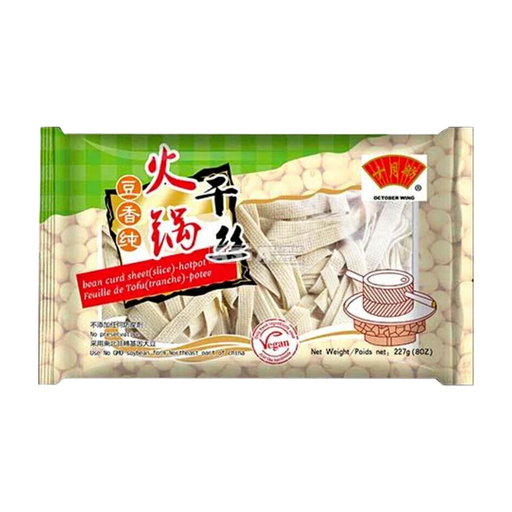
Why it fits this profile: A long-life dried product with clear soaking and cooking instructions is handy for anyone making hotpot or mala tang at home for the first time.
The preparation is clearly described. You don't have to guess whether the tofu needs to be soaked first.
227g, ingredients according to product information: soya beans and water; suitable for hotpot, soup, stewed dishes and salad.
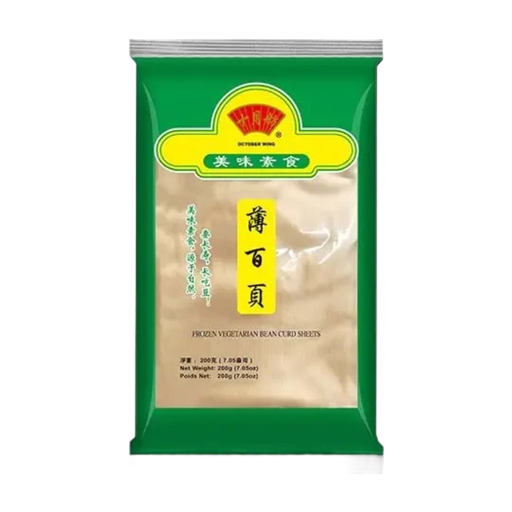
Why it fits this profile: These chilled Chinese tofu skins are ideal for anyone who wants one product for hotpot, stir-fries, cold dishes and rolls.
The product description mentions chilled storage at 0–4 °C and use within three days of opening.
200g, 15g protein per 100g according to the label, and a thin structure suitable for filling or slicing.
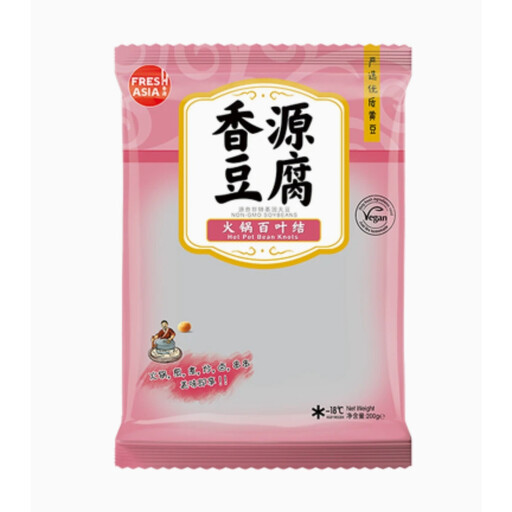
Why it fits this profile: Tofu knots are designed for broth-rich dishes and suit regular hotpot, spicy soup and oden meals.
The shape and product information make it clear that this is a cooking ingredient, not a ready-to-eat tofu.
200g, made from tofu skin, water and salt; according to the product description, it quickly absorbs flavour in soup and hotpot.
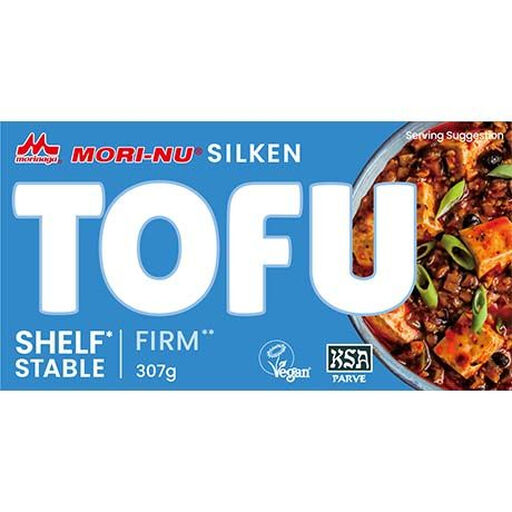
Why it fits this profile: The soft, smooth texture suits Japanese dishes, soups, salads and desserts.
The product description mentions a soft but firm texture; slice carefully and avoid prolonged stirring during cooking.
307g, ingredients according to product information: water, soya beans and calcium sulphate as a coagulant.
We've put together a full, up-to-date list of products that fully meet these strict selection criteria and comply with current European safety regulations.
For dried products, use the time on the packaging as a guide. Soak tofu skins, tofu sheets and tofu sticks in cold or warm water, then check that they are pliable. Gently squeeze out excess water before adding them to your stir-fry or broth.
When making hotpot, add firm or dried products earlier than silken tofu. Fried tofu often only needs to be heated through. Keep chilled and frozen products separate from your long-life cupboard items, and always follow the temperature stated on the packaging.
For hotpot, firm tofu, tofu knots, tofu skins and dried tofu are practical choices. Silken tofu can also be used, but add it later and stir gently. Fried tofu absorbs a lot of broth and is suitable when you want a porous texture.
It varies depending on thickness and product. Many tofu sticks, tofu skins and dried soya bean rolls need around 15 to 30 minutes. Always check the packaging. After soaking, dried products usually still need to be cooked.
Store dried products unopened in a cool, dry place, sealed against moisture. Chilled tofu belongs in the fridge and should be used within the stated period after opening. Store frozen products according to the temperature on the label and do not refreeze after defrosting.
