
Vandaag of morgen in huis

Kwaliteit gegarandeerd

Welkomstaanbiedingen ontgrendelen: GRATIS bezorging | Tot 80% korting | Gratis 30 dagen JoyPlus-proefperiode
Download de app
Asian tea and fruit drinks are becoming easier to find online in the UK. You can choose from Chinese iced tea, Japanese green tea, jasmine tea, oolong tea with fruit and Korean instant tea. This wide selection makes comparing interesting, but also tricky. A striking packet tells you very little about the amount of tea, fruit juice or sugar in a drink.
Watch out for three common pitfalls:
In ready-to-drink tea, the ingredients list is usually in descending order. If water and glucose-fructose syrup are at the top, tea may not be the main base. That doesn’t have to be a problem, but it does help you set the right flavour expectations.
Examples:
For products with marketing claims about flavour or quality, remember: according to its own research or the brand’s product information, a manufacturer may highlight certain properties. So judge mainly by the listed ingredients and nutritional values.
Don’t just compare the values per 100 ml. A 250 ml bottle of Chinese iced tea contains five times the value per 100 ml. A 400 ml bottle can therefore provide significantly more energy or carbohydrates, even if the label per 100 ml looks low.
Pay attention to:
With Goldkili Red Date Tea with Longan, one 18 g sachet provides 70 kcal and 17 g of sugar according to the product information. The ingredients include sugar, glucose, red date and longan extract. This fits more with a sweet drink mix than with unsweetened herbal tea.
Ready-to-drink tea is practical for on the go, with lunch or in the fridge. Bottles of 250 ml x 6 are handy if you want to keep several portions. Once opened, many drinks need to be chilled and consumed quickly.
Instant tea and powder mixes take up less space. You decide how much water to add and can prepare the drink hot or cold. Do check whether milk solids, sweeteners or other allergens are present.
For a herbal product, the preparation method is especially important. According to the product information, the Fu Dong Hai mix is intended to be steeped in hot water and is not for direct consumption. That is clearly different from a ready-to-drink fruit tea.
The selection below is based on verifiable data such as content, ingredients, preparation method and nutritional values. This way you can choose a product based on your own use, rather than just on the packaging or flavour name.
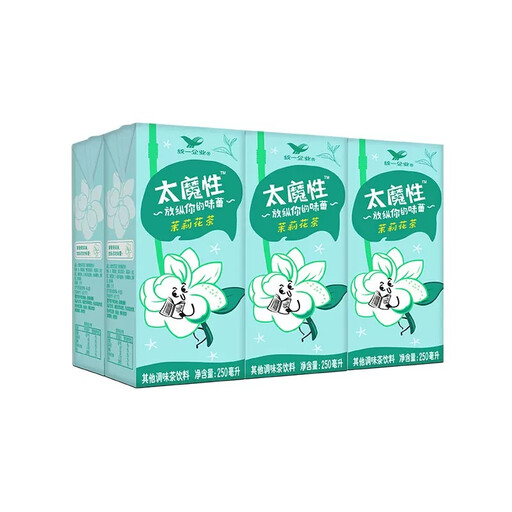
Why this fits the profile: Six 250 ml bottles make it easy to try jasmine tea without committing to a large format straight away. The drink is ready to serve chilled.
The packaging states 250 ml x 6 and a clear ingredients list. According to the nutritional table, it shows 0 kcal per 100 ml; always check the label on the delivered packaging.
Ready-to-drink, six individual bottles and a jasmine-green tea combination. Made in China according to the product information.
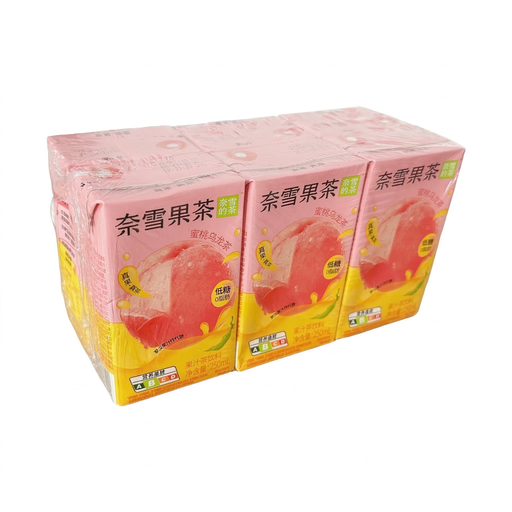
Why this fits the profile: A choice for anyone looking for a fruity oolong drink with a specified tea base and fruit juice. The combination of honey peach and apple suits fans of peach tea.
The product information states a minimum of 4 g/L Baiya Qilan oolong tea and a minimum of 10% fruit juice, making the fruit and tea base easier to assess.
250 ml x 6, 20 kcal per 100 ml and suitable for drinking chilled. Consume within 24 hours of opening according to the product information.
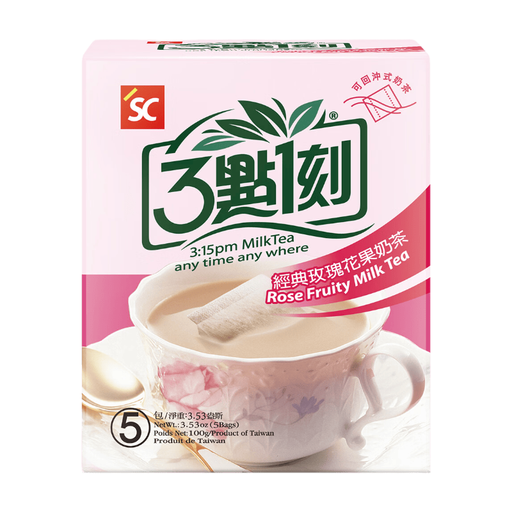
Why this fits the profile: Suitable for home, the office or on the go when you want to prepare instant tea with hot water. The rose and fruit flavour is a change from standard lemon tea or green tea.
The five sachets are individually wrapped and the ingredients list milk solids, sugar and creamer. This makes allergens and composition easier to check in advance.
Per sachet 15 grams, approximately 69 kcal and easy to prepare with hot water. Please note: this is milk tea, not unsweetened herbal tea.
We’ve put together a full, up-to-date list of products that fully meet these strict selection criteria and comply with current European safety regulations.
Fruit tea combines tea extract, tea leaves or instant tea with fruit juice, flavouring or both. Fruit juice contains no tea in principle. So check the ingredients list and the stated juice percentage if you want a clear fruit flavour or a specific tea base.
Unopened bottles should usually be stored in a cool place away from direct sunlight, depending on the label. Once opened, the drink generally needs to go in the fridge and should be consumed quickly. Do not use a swollen package. Only shake gently when the product information mentions that natural sediment may be present.
That depends on the serving size, the amount of water and the selling price. Instant tea saves space and can be handy for multiple cups. Ready-to-drink tea requires no preparation and offers fixed portions. Compare the price per prepared serving, not just the weight of the packaging.
