
Vandaag of morgen in huis

Kwaliteit gegarandeerd

Welkomstaanbiedingen ontgrendelen: GRATIS bezorging | Tot 80% korting | Gratis 30 dagen JoyPlus-proefperiode
Download de app
If you buy Asian sweets and snacks online, you’ll find plenty of choice: from mochi and Japanese sweets to Chinese treats, Korean snacks and Taiwanese desserts. The packaging often looks appealing, but an attractive image doesn’t always tell you enough about the flavour, texture, allergens or storage requirements.
This practical buying guide helps you compare products using clear, verifiable criteria. That way, you can choose more confidently whether you’re looking for a snack for yourself, a dessert after a meal or a gift to share.
A product featuring Japanese characters or a reference to Japan isn’t automatically made in Japan. Dorayaki, for example, may be a Japanese treat but produced in Taiwan. Always check the country of origin and the responsible importer.
The same applies to mochi. The term mainly refers to its soft, elastic texture and the use of glutinous rice or rice flour. A product can therefore be made in Japan, Taiwan or China and still be sold as mochi.
Mochi, rice cakes, and sesame and peanut balls don’t all require the same storage method. Some products are ready to eat and individually wrapped. Others, such as Chinese glutinous rice balls, are frozen and must be cooked thoroughly.
Choosing the wrong product can leave you with a hard rice cake, dried-out filling or something that isn’t suitable for eating on the go. Before buying, check whether the product is ready to eat, chilled or frozen.
“Fruity”, “creamy” or “chocolate” doesn’t tell you much about the full ingredients list. A mango mochi, for example, may contain milk and egg, while a chocolate version may list soya or possible traces of nuts. Always check the allergen and nutritional information on the product page, and inspect the label when your order arrives.
Choose a soft snack such as fruity mochi for a quick bite between meals. For a dessert at home, black sesame rice balls or Chinese sweets are more suitable, as they often need to be cooked.
Individually wrapped products are practical for lunch, guests or a treat during a day out. They also make it easier to use a larger pack gradually. For products such as Sachima, dorayaki and Orion Choco Pie, the total pack size is important if you want to share.
Also check the net quantity and number of portions. A 200-gram box containing four individual pastries is very different from a 120-gram bag containing several small mochi.
At a minimum, check:
According to the product information, the ingredients may vary between flavours. For example, wheat, soya and milk are listed for Bestore Baobao Mochi Pastry, while peanuts, sesame and wheat are listed for Chinatown Glutinous Rice Ball Peanut & Sesame. If you have an allergy, always check the current packaging.
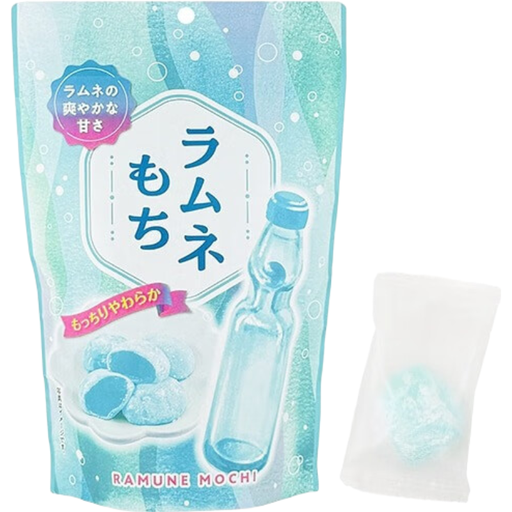
Why it suits this profile: An easy introduction to Japanese sweets, thanks to its sweet, refreshing ramune soda flavour and soft mochi texture.
The product information states that it contains 130 grams and consists of individually wrapped pieces. This makes the portion size clearer than with a loose bag without individual wrappers.
Soft, chewy texture; individually wrapped; according to the product information, imported from Japan.
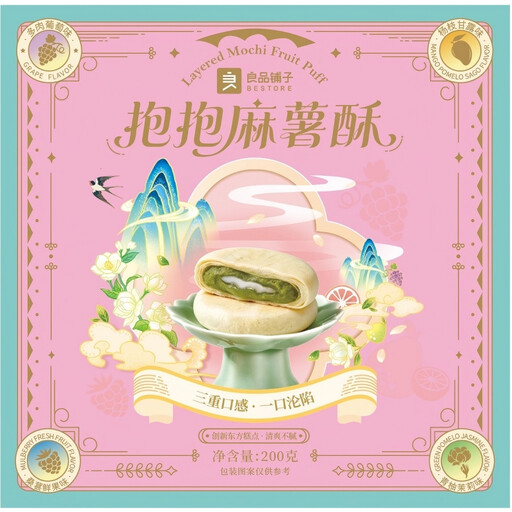
Why it suits this profile: The gift box contains four flavours, making it ideal for enjoying with tea, sharing with guests or giving as a present when variety matters.
The packaging states that it contains four individual 50-gram portions and lists the ingredients for each flavour. This makes it easier to compare the options and check for allergens.
Four fruity flavours; gift packaging; origin: China; suitable for serving with tea.
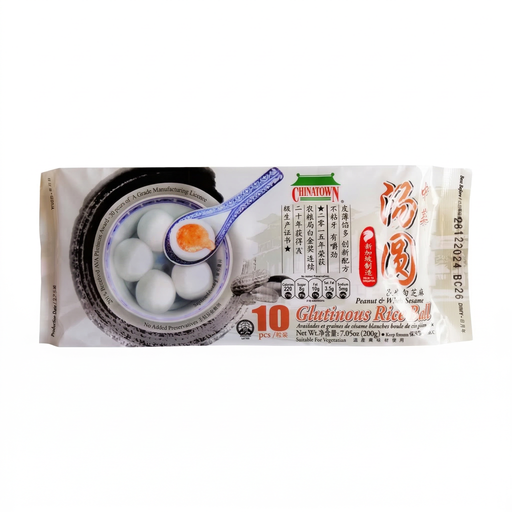
Why it suits this profile: Ideal if you want to prepare a dessert at home rather than reach for a ready-to-eat snack from the cupboard.
The product page clearly states that this is a frozen raw product. It must be boiled until the balls float, then cooked for a little longer.
Peanut and sesame filling; 200-gram pack; suitable for a traditional warm dessert; store at -18 °C or below.
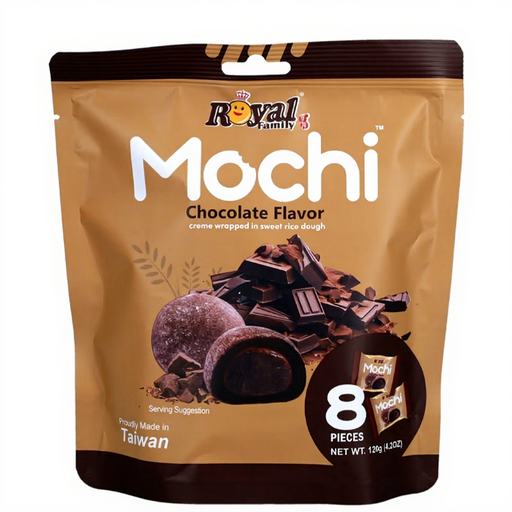
Why it suits this profile: A natural choice if you want to combine mochi’s chewy bite with a cocoa-style filling.
The product information gives the quantity as 120 grams and lists the ingredients and allergens. Soya is mentioned, along with possible traces of gluten, milk, nuts, peanuts and egg.
Chocolate flavour; soft, chewy snack; clear storage instructions for a cool, dry place.
We’ve put together a complete, up-to-date list of products that fully meet these strict selection criteria and the applicable European safety regulations.
For a film night, individually wrapped mochi, Meito chocolate wafers or Korean Choco Pie are practical choices. Looking for something to enjoy with coffee or tea? Try dorayaki, pineapple cake or Sachima. For a celebratory spread, Chinese rice balls with black sesame or peanut and sesame make an excellent warm dessert.
When choosing a gift, attractive packaging and a selection of flavours are especially important. The Bestore box with four mochi pastries is easier to present and share than a large family bag. For a first introduction, you can combine several small packs, such as ramune mochi, coconut mochi and chocolate mochi.
Mochi is a soft, elastic treat made from glutinous rice or rice flour, often with a sweet filling. “Rice cake” is a broader term. Some rice cakes are ready to eat, while frozen glutinous rice balls must be boiled first.
Always follow the best-before date and storage advice on the packaging. In general, store ambient mochi in a cool, dry place away from direct sunlight. Its texture may change more quickly after opening. Yuki & Love Mochi Green Tea, for example, states that it should be refrigerated after opening and eaten within a few days.
That depends on the product. Some snacks contain wheat, milk, egg, soya, peanuts or sesame. The packaging may also mention possible traces. Always check the current ingredients list and allergen information before ordering or serving.
