
Vandaag of morgen in huis

Kwaliteit gegarandeerd

Welkomstaanbiedingen ontgrendelen: GRATIS bezorging | Tot 80% korting | Gratis 30 dagen JoyPlus-proefperiode
Download de app
Fancy fruit gummies, soft sweets or konjac jelly from Korea, China or Japan? When shopping online, you’ll quickly come across terms such as “fruity”, “light”, “vegan” and “natural”. These words do not always tell the whole story. A product may contain very few calories but still use sweeteners. Or a sweet may contain real fruit juice, while most of it is made up of sugar syrup.
This guide helps you compare Asian sweets and jelly using verifiable information. That way, you can avoid a disappointing purchase and find a snack that suits your taste, dietary requirements and occasion.
The front of the packaging often shows grapes, mangoes or lychees. That’s why it’s important to check the ingredients list and the quantitative indication. For example, Kimnori 3D Peelable Gummy Candy states that it contains more than 28% concentrated grape juice. Amos 4D Gummy Lucky Fish lists 4.4% concentrated fruit juice. These are concrete details that tell you more than a fruit flavour shown on the packaging.
Konjac jelly may be low in energy because sweeteners are used. For example, Delief Konjac Jelly Green Grape lists 5 kcal and 0 grams of sugar per 100 grams. Jelly B Konjac Jelly Mango lists 3 kcal and 0 grams of sugar per 100 ml, and contains erythritol among other ingredients.
In sugar-free liquorice, such as Klene Sweet Suns, sugar is replaced with polyols and steviol glycosides. The nutritional information lists 53 grams of polyols per 100 grams. According to the product information, excessive consumption may have a laxative effect. Always compare the full nutritional table, rather than relying only on the front of the pack.
“Vegan”, “halal” and “vegetarian” are not used in the same way. If you are unsure, check the official product information and packaging. Some gummies contain gelatine. For example, Kimnori gummies contain gelatine and pectin, while Delief and certain konjac jelly products use plant-based ingredients.
Allergens also deserve careful attention. White Rabbit Creamy Candy contains milk powder and butter. According to the product information, Amos 4D Gummy may contain milk, soya and sulphites. A product with no listed allergens is not automatically suitable for every allergy, so always check the current packaging.
Asian jelly is available in the following formats:
Pay attention to warnings too. Some jelly products and gummies are not suitable for children under three because of the risk of choking. Kimnori also states that the gummy should not be swallowed whole. Follow the age and usage instructions on the packaging.
If you are looking for vegan jelly, check that it contains no gelatine, milk or other animal-derived ingredients. Delief Konjac Jelly Green Grape lists konjac powder, erythritol, sucralose and plant-based “collagen-like peptide”, among other ingredients. This is a description taken from the product information and is not a medical claim.
For halal jelly, explicit certification is more important than simply seeing an ingredient list without pork gelatine. According to the product information, Jelly B Konjac Jelly Blueberry is halal certified. Jelly B Konjac Jelly Mango is also listed as halal and gluten-free. Check the current packaging with every order, as ingredients and labelling may change.
Compare nutritional values per 100 grams or per 100 millilitres. A 120-gram pouch is not directly comparable with a 67-gram cup. Look at:
A multipack can be good value if you regularly buy Asian snacks online. A small single-serve pack is more convenient for taking with you or trying a flavour for the first time.
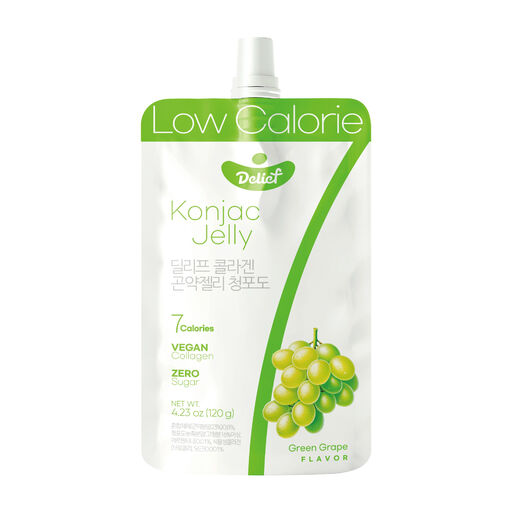
Why it suits this profile: A compact way to try grape-flavoured konjac jelly without buying a large multipack straight away.
The product information lists the ingredients, allergens and nutritional values. It states 5 kcal and 0 grams of sugar per 100 grams; always check this on the packaging.
Vegan according to the product name, with no listed allergens, and available in a 120-gram portion.
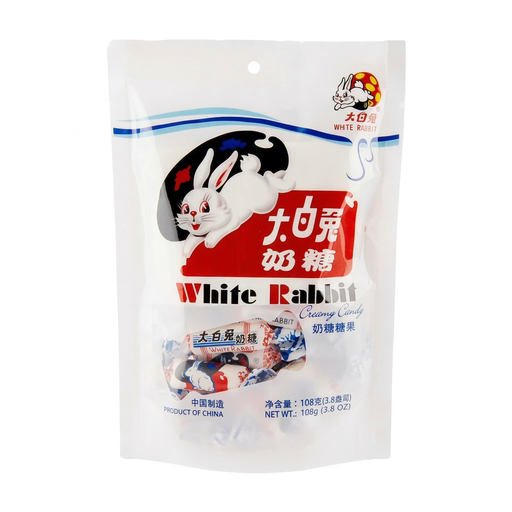
Why it suits this profile: Ideal for anyone who enjoys a distinct milky flavour, a chewy texture and a well-known Chinese sweet-making tradition.
The ingredients list includes sugar, milk powder, butter and gelatine. This makes it clear that the sweets are not vegan and contain milk.
Individually wrapped milky sweets with edible rice paper and a net quantity of 108 grams.
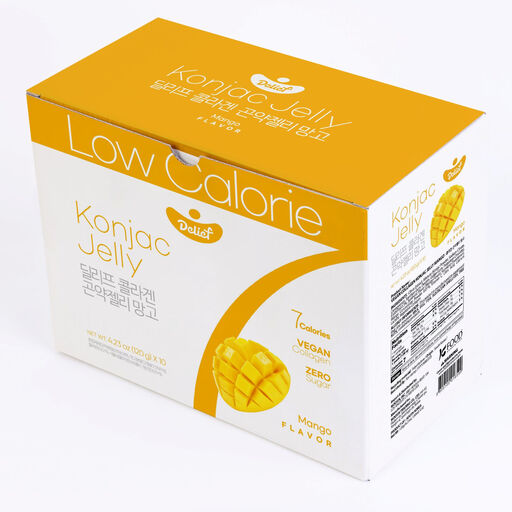
Why it suits this profile: The multipack is practical if you like to keep a portable jelly snack handy for work, school or when you’re out and about.
The pack contains ten 120-gram pouches. The product information states 5 kcal per 100 grams and advises storing the product in the fridge after opening and using it promptly.
Ten individual portions, mango flavour and a product description featuring vegan collagen-like peptide and vitamin C.
We’ve put together a complete, up-to-date list of products that fully meet these strict selection criteria and the applicable European safety regulations.
Some varieties are low in energy. For example, Jelly B Konjac Jelly Blueberry lists 10 kcal per portion, while Delief Green Grape lists 5 kcal per 100 grams. This does not apply to every type of jelly. Check the nutritional table, portion size and sweeteners used before comparing products.
Store unopened products according to the label, usually in a cool, dry place away from direct sunlight. Refrigeration may be necessary after opening. Jelly B Blueberry advises closing the pouch securely after opening and storing it in the fridge. Never use packaging with a damaged seal.
Look for an explicit vegan or halal statement, then check the ingredients. Gelatine, milk and beeswax may be relevant. Delief konjac products are described as vegan, while Jelly B Konjac Jelly Blueberry is listed as halal certified. Always check the current packaging and allergen information before buying.
