
Vandaag of morgen in huis

Kwaliteit gegarandeerd

Welkomstaanbiedingen ontgrendelen: GRATIS bezorging | Tot 80% korting | Gratis 30 dagen JoyPlus-proefperiode
Download de app
Buying Asian sweets online is a great way to try flavours you won’t find in every British supermarket. Think Japanese mochi with mango or ramune, soft strawberry sweets and chocolate wafers with pistachio. But an eye-catching packet doesn’t always tell you everything about what’s inside.
As Joybuy’s Product Recommendation Officer, I filter product information by practical points: ingredients, allergens, portion size, texture and storage advice. That way, you can choose more confidently and avoid a disappointing purchase.
Product names like Japanese mochi or Japanese-style mochi sometimes refer to the style or texture, not the country of manufacture. So always check the origin on the packaging. The Q-Brand Japanese-Style Red Bean Mochi, for example, states that the product is made in China. That doesn’t automatically make it unsuitable, but it does prevent false expectations.
Mochi, soft sweets and filled treats vary a lot in texture. Some are elastic and chewy, others have a creamy filling or a more gel-like bite. If you’re mainly after crunch, you’re better off looking at wafers or biscuits. If you enjoy soft sweets, mochi or Haichu will suit you better.
With mochi, also pay attention to the portion size. A bag of 180 or 210 grams may contain several portions, while individually wrapped pieces are handy for sharing, taking on the go or giving as a gift.
A flavour name like mango, strawberry or pineapple doesn’t tell you how much fruit is actually in the product. Check the ingredients list and nutritional information. With Yuki & Love Mochi Rice Cake Mango, for example, mango juice is listed with a percentage. In other products, the fruit flavour comes mainly from flavourings and acids.
Always check the allergen information before you buy. Many Asian snacks contain milk, soya, wheat, sesame, nuts or gelatine. Some products also state that they may contain traces of other allergens.
Examples:
Recipes can change. Use the product packaging as your primary source, especially if you have an allergy or intolerance.
Compare nutritional values per 100 grams, not just per pack. That way, you can compare different products more fairly. Sweets, mochi and chocolate generally contain relatively high amounts of carbohydrates and sugars. A product with less fat isn’t automatically a better choice; look at the full nutritional profile and the portion size.
For example, MORINAGA Haichu Soft Candy Strawberry lists 82.4 grams of sugars per 100 grams. Bourbon Alfort Mini Vanilla White contains 294 kcal per 55-gram pack. Figures like these help you decide in advance how much you want to serve or take with you.
Most products should be stored in a cool, dry place away from direct sunlight. Heat and moisture can affect the texture of mochi, chocolate and wafers. Once opened, the packaging must be sealed tightly. For various mochi products, it’s also recommended to keep them refrigerated after opening and to consume them within the stated period.
Check the best before date on the packaging. If the packaging is damaged, it’s best not to use the product.
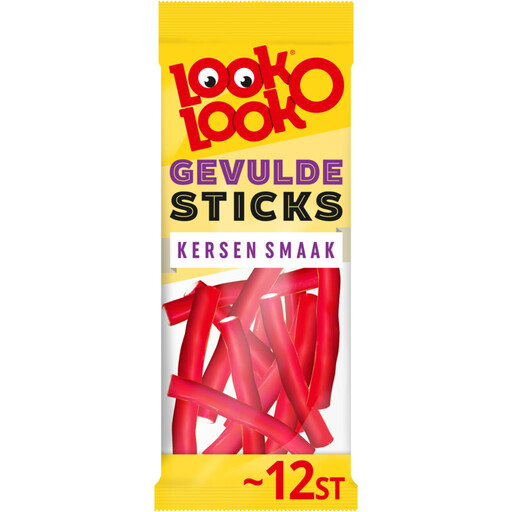
Why this fits the profile: An accessible choice for anyone wanting to discover Asian snacks without buying several unusual flavours at once. The pack contains around 12 filled pieces to share at home.
The flavour, contents and nutritional values are clearly stated. So you don’t have to rely solely on the packaging or flavour name.
115 grams, filled sticks with cherry flavour, suitable for serving in a sweet jar.
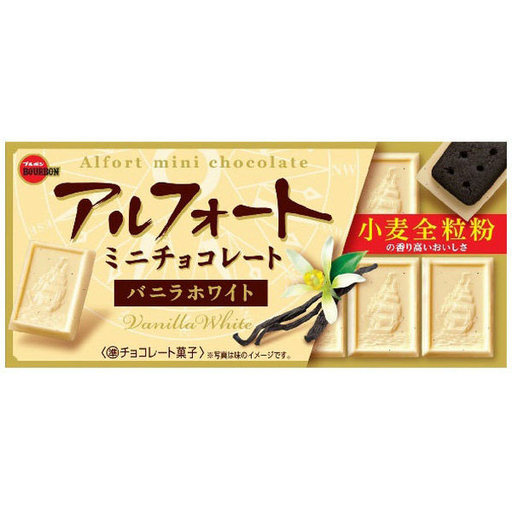
Why this fits the profile: Ideal for fans of Japanese treats who want a combination of biscuit, vanilla and white chocolate.
The product specification states the contents of 12 pieces and lists allergens such as milk, wheat and soya.
12 individual mini pieces, 55 grams per pack unit, and a combination of biscuit and vanilla flavour.
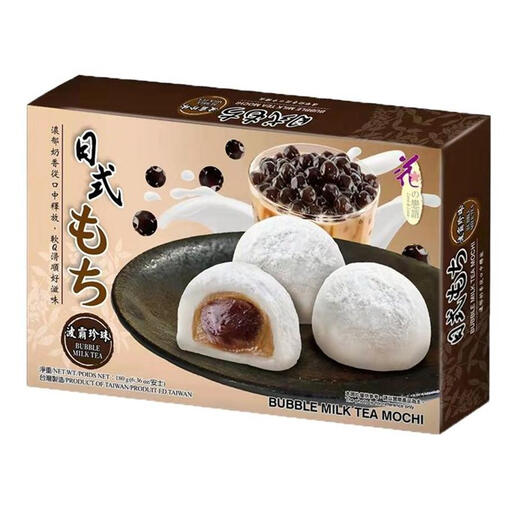
Why this fits the profile: For fans of soft, filled mochi and bubble tea flavours who want something different to serve when guests come round or to include in a gift hamper.
The description clearly explains the texture and filling. Milk is also listed as an allergen, so you can check in advance whether it’s suitable.
180 grams, individually wrapped mochi with a soft outer layer and milk tea filling.
We’ve put together a full, up-to-date list of products that fully meet these strict selection criteria and comply with current European safety regulations.
If you’re mainly after fruity sweets, take a look at MORINAGA Haichu Strawberry, Red Band Wine-Heart Soft Candies or Look-O-Look filled cherry sticks. For tropical flavours, Yuki & Love Mochi Pineapple & Coconut, Pineapple & Mango and Mango are possible choices.
For a crunchy snack, Bourbon Alfort Mini Strawberry, Sarelle hazelnut wafer, Kahve Dunyasi Gofrik with pistachio or Ülker Deluxe Strawberry Cream Wafer are better suited. With chocolate wafers, always check the allergen information for milk, wheat, soya and nuts.
Mochi usually refers to a soft, chewy treat made from glutinous rice or glutinous rice flour. Japanese mochi and Chinese mochi can differ in recipe, filling, size and origin. So look at the ingredients list and country of origin rather than just the product name.
Store mochi according to the label, usually in a cool, dry place away from direct sunlight. Some varieties need to be refrigerated after opening and eaten within a certain period. Seal the packaging tightly to prevent drying out or moisture absorption.
Compare net weight, number of pieces, ingredients, allergens, nutritional values, origin and shelf life. Also check whether you’re looking for soft sweets, mochi, chocolate or wafers. That way, you won’t pay for a product that doesn’t match your expectations in terms of texture or flavour.
