
Vandaag of morgen in huis

Kwaliteit gegarandeerd

Welkomstaanbiedingen ontgrendelen: GRATIS bezorging | Tot 80% korting | Gratis 30 dagen JoyPlus-proefperiode
Download de app
If you’re buying international sweets, you’re probably looking for something different from the standard liquorice, wine gums or milk chocolate at the supermarket. Think Japanese sweets, Asian sweets, fruit gummies, jelly sweets, caramel sweets and spicy tamarind sweets. But eye-catching packaging can sometimes hide important information.
So don’t judge by flavour or shape alone. Here are some common pitfalls to watch out for:
Always check the ingredients list on the product page and on the packaging. Pay particular attention to:
Looking for halal sweets? Check for a halal statement or certification on the current packaging. The product title “CANDY AMOS 65 GR PEELERZ GUMMY BANANA HALAL” refers to halal, but always check the product information and packaging before buying.
The right texture can make all the difference to how much you enjoy a sweet:
Check the instructions for jelly products. Orihiro Purunto Jelly, for example, says to squeeze out the contents while chewing to help prevent choking. Always follow the age and safety information on the packaging when giving sweets to young children.
Compare the amount in each pack, not just the price. A 200-gram bag may seem like good value, but it might not be as convenient if you’re looking for smaller portions. Individually wrapped sweets are practical for sharing, taking to the office or handing out as a treat.
Also check the nutritional information per 100 grams. According to the product information, Want Want QQ Gummy Cola contains 45 grams of sugar per 100 grams, while Orihiro Purun and Plus Grape Mix contains 0 grams of sugar per 100 grams, according to the listed details. That doesn’t mean every product will suit every dietary preference, so also check sweeteners, allergens and warnings, including any mention of phenylalanine.
As a general rule, store sweets in a cool, dry place away from direct sunlight. Seal opened packs tightly to help prevent them drying out or absorbing moisture.
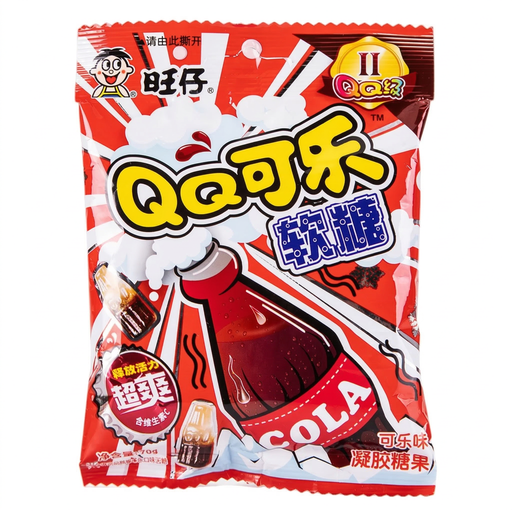
Why it suits this shopper: A compact bag with a familiar cola flavour is an easy way to try or share Asian sweets.
The product information lists portion size, ingredients, allergens and nutritional values, so you don’t have to rely on the packaging alone.
70 grams, a soft texture and, according to the product details, 45 grams of sugar per 100 grams.
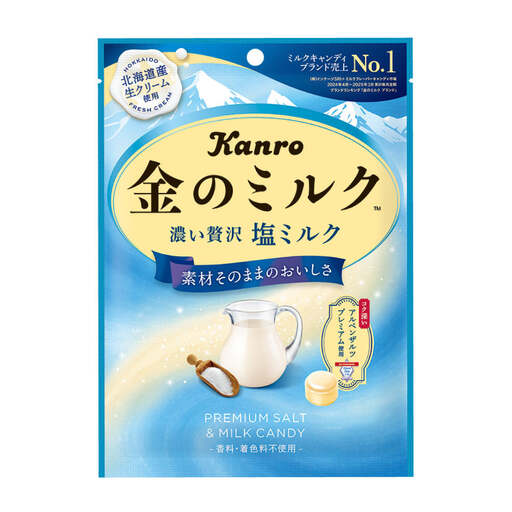
Why it suits this shopper: Ideal if you’re looking for Japanese hard sweets with a creamy milk flavour and a hint of salt, rather than fruity gummies.
The ingredients list clearly identifies milk products and soya, helping you check for allergens before you buy.
61 grams, individually wrapped and, according to the product information, made in Japan.
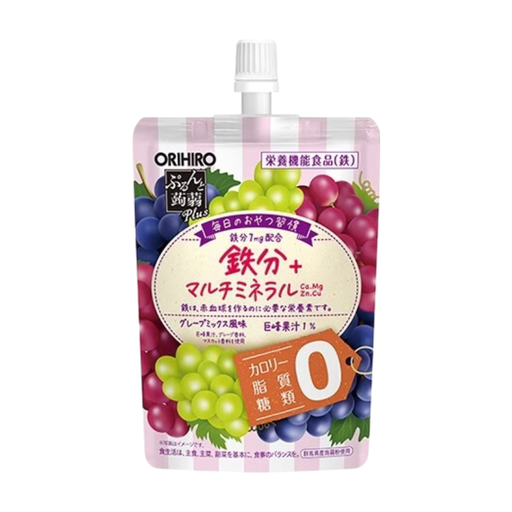
Why it suits this shopper: An option for adults looking for grape jelly with a different nutritional profile from regular gummies.
The product page includes instructions for use, including the need to chew carefully, as well as information about sweeteners and a source of phenylalanine.
130 grams, a grape mix and, according to the listed nutritional information, 0 grams of sugar per 100 grams.
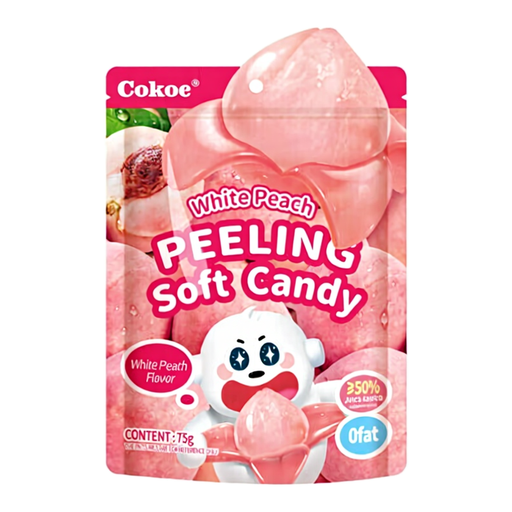
Why it suits this shopper: Its peach shape and soft marshmallow texture make it a fun treat, with supervision recommended for young children.
The product information states that it’s suitable for children aged 3 and over and recommends adult supervision while eating.
75 grams, a soft texture and, according to the product information, none of the 14 main EU allergens.
We’ve put together a complete, up-to-date list of products that meet these strict selection criteria and current European safety regulations.
Start with a small pack of around 60 to 75 grams. Cola, orange, banana or grape gummies are more approachable than stronger flavours such as chilli tamarind or cinnamon. That way, you can compare different types without buying a large supply straight away.
Shelf life varies by product and is shown on the packaging. Store sweets in a cool, dry place away from direct sunlight. Seal opened bags tightly. Soft sweets and jellies can change texture when exposed to moisture or air, while hard sweets may become sticky.
Check the recommended age, texture, shape and allergens. Jellies, gummies and marshmallows may need extra care while children are eating them. Supervise children when they’re eating sweets and always follow the current instructions on the packaging.
