
Vandaag of morgen in huis

Kwaliteit gegarandeerd

Welkomstaanbiedingen ontgrendelen: GRATIS bezorging | Tot 80% korting | Gratis 30 dagen JoyPlus-proefperiode
Download de app
Asian sweet snacks come in many varieties: from soft Japanese cake and baumkuchen to Japanese mochi, dorayaki and Chinese glutinous rice cake. This wide selection makes online shopping appealing, but it can also feel overwhelming. A packet may look large while containing only a few portions. What’s more, a flavour name doesn’t always tell you how much fruit, matcha or filling is actually in the product.
So pay particular attention to three common pitfalls:
Texture plays a big part in whether a snack suits your preference. A baumkuchen is made up of thin layers of cake and is usually soft and firm. A Japanese cake, such as castella or a matcha cake, typically has a sponge-like texture. Daifuku, dorayaki and Taiwanese mochi, on the other hand, are ideal if you’re after a soft outer layer with a filling.
Also look at the net weight and the number of pieces. A 120g pack might contain eight small mochi, while an 80g cake is a single portion. Individually wrapped pieces are handy for a lunchbox, the office or sharing with coffee and tea. They also help you reseal the rest of the pack more effectively.
The ingredients list is in descending order of quantity. If, for example, glutinous rice flour appears near the top, it forms a major part of the snack’s outer layer. With a filling, it’s useful to check whether fruit, red beans, taro or cocoa is actually mentioned and in what proportion.
Look out for the 14 main EU allergens. Among the products mentioned here, you may find:
A product description may state that none of the 14 main allergens are present, but if in doubt, always check the label on the packaging. Recipes and product information can change.
Storage is a practical difference between types of Asian desserts:
For snacks with a short shelf life, it’s wise to check first that you have enough space in your fridge or freezer.
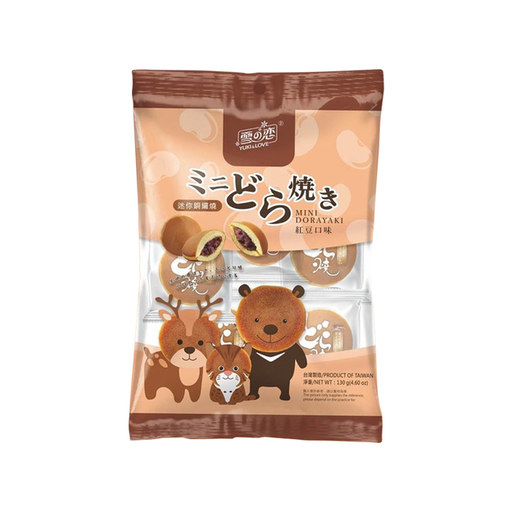
Why this fits the profile: Mini dorayaki are an easy introduction for anyone wanting to try Japanese snacks without committing to a large pack. The individual portions are perfect with coffee, tea, work or study.
The packaging states 130g and the ingredients list 27.3% red bean paste. This lets you judge the flavour and quantity more accurately than relying on the product name alone.
Soft filled pastry, mini size and easy to take with you. According to the product information, it contains wheat, egg and soya.
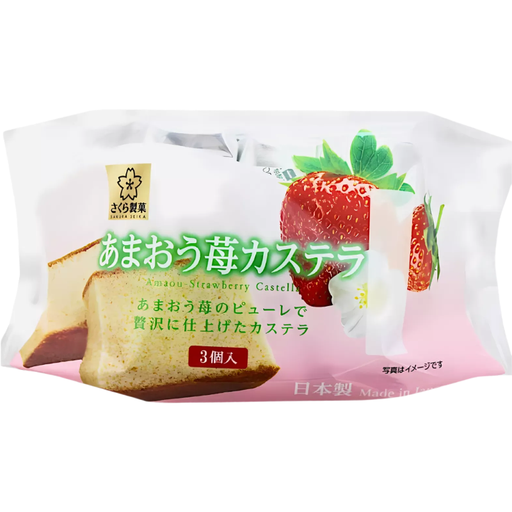
Why this fits the profile: This Japanese cake is designed as a refined snack or gift, with three individually wrapped pieces and a strawberry flavour linked to Amaou strawberries according to the product description.
The number of pieces, total weight and storage instructions are all clearly stated. This makes it obvious that it’s a chilled product, not a shelf-stable cake for the cupboard.
Three individually wrapped pieces with a soft castella texture. According to the label, it contains egg and wheat; keep refrigerated.
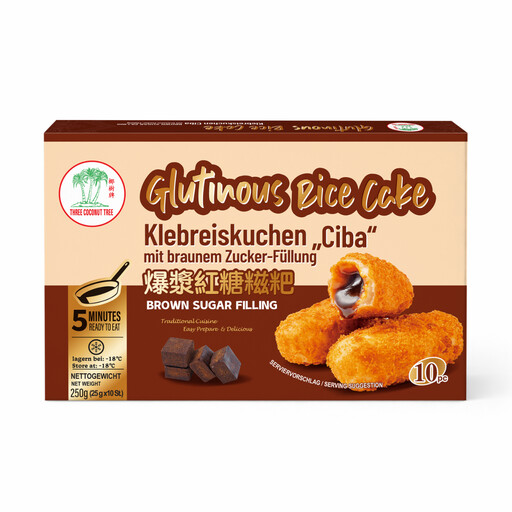
Why this fits the profile: This Chinese glutinous rice cake is ideal for anyone who wants to prepare several portions and is after a warm, soft snack rather than a ready-to-eat cake.
The preparation method is clear: steam for five to six minutes or microwave for about one minute. The frozen status is explicitly stated.
250g with brown sugar filling and a chewy rice cake texture. According to the product information, it contains wheat and soya.
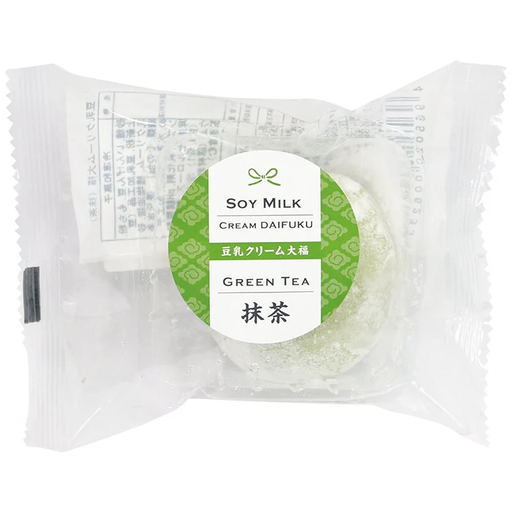
Why this fits the profile: This daifuku combines matcha with a creamy soya filling and a soft, chewy rice cake. The size makes it a perfect small dessert portion after tea or coffee.
The product information clearly states that this is a frozen item and must be kept refrigerated after thawing. This stops you treating it like a shelf-stable mochi.
Matcha powder, soya filling and 60g per pack. According to the product information provided, this product contains none of the 14 main EU allergens.
We’ve put together a full, up-to-date list of products that fully meet these strict selection criteria and comply with current European safety regulations.
Mochi usually refers to a soft, elastic snack made from glutinous rice flour. Daifuku is a type of mochi with a filling, such as matcha, cream or bean paste. Dorayaki consists of two soft pancake-like cakes with red bean paste often sandwiched between them. The exact texture and filling vary by brand.
Always follow the packaging. Some mochi are shelf-stable in a cool, dry place, while daifuku needs to come from the freezer. Japanese cake such as castella or matcha cake may need to be refrigerated. After opening, pay attention to the stated period and seal the pack well.
Check whether the product is actually certified as halal or labelled as halal by the manufacturer. Also look at the ingredients, especially flavourings, emulsifiers and any gelatine. The Taiyo Halal Certified Baumkuchen Cake is available in original and chocolate varieties; according to the product information, both contain egg, wheat, milk and soya.
