
Vandaag of morgen in huis

Kwaliteit gegarandeerd

Welkomstaanbiedingen ontgrendelen: GRATIS bezorging | Tot 80% korting | Gratis 30 dagen JoyPlus-proefperiode
Download de app
Asian sweet snacks are popular with families, students and anyone looking for something different from a standard biscuit with their coffee. If you want to buy Japanese snacks, you will quickly come across a wide selection of cakes, wafers, chocolate biscuits, fruity biscuits and individually wrapped treats. However, eye-catching packaging can hide important information.
Three common pitfalls are:
Small portions are practical for taking to school, the office or eating on the go. Products such as Pocky biscuits, mini dorayaki and individually wrapped cakes are easy to take with you without opening a whole pack. For snacks to share, a larger size makes more sense, but check how to store the remainder once opened.
A pack weighing 40 to 92 grams is often suitable as a personal snack. A pack of 200 to 403 grams is better suited to a family, a party or keeping in the cupboard. Do not just look at the price of the pack; also compare the price per 100 grams.
Relevant allergens must be clearly listed on the label. For many Asian biscuits and cakes, these include wheat or gluten, egg, milk, soya, peanuts, nuts and sesame. Check the current packaging, as ingredients and warnings may change.
Some examples:
A product description may provide additional information, but for allergies, the label on the packaging takes precedence.
Start by choosing the texture you prefer. Japanese biscuits are usually crunchy, while a Japanese cake, castella cake or baumkuchen tends to be soft and light. Dorayaki consists of soft, pancake-like cake with a sweet filling. Wafers combine a crisp texture with a creamy layer.
Also compare the nutritional values per 100 grams. For example, the selected products range from around 410 to 554 kcal per 100 grams. This difference does not determine which snack is right for everyone, but it does help you assess portions and occasions realistically. Claims such as “less sugar” should always be checked against the nutrition table; for example, Franzzi’s product information includes a comparison with a standard range.
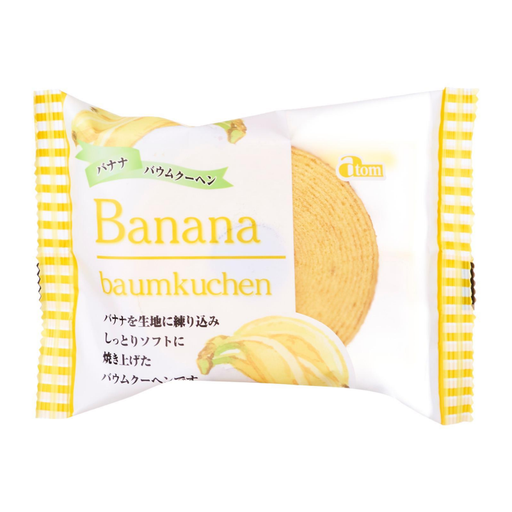
Why it suits this profile: A compact 80-gram cake for anyone trying Asian sweet treats for the first time and looking for a soft, mild fruity flavour.
The net weight and individual packaging are clearly stated. This means you know in advance that it is one personal portion.
Soft, layered baumkuchen with banana purée; according to the product information, it contains no artificial colourings or preservatives.
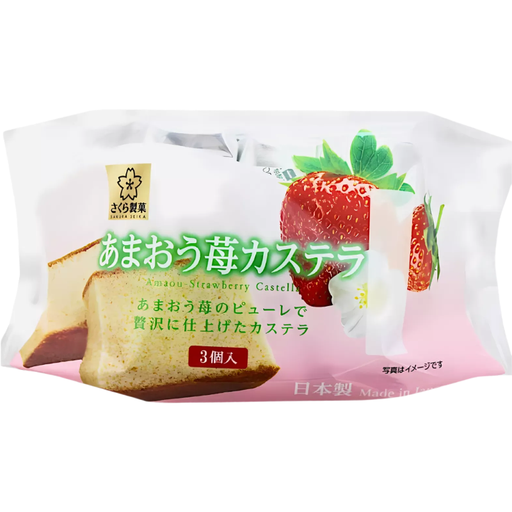
Why it suits this profile: Ideal for lovers of soft Japanese cake with strawberry flavour and three separate portions.
The three pieces are individually wrapped. The product information also states that this product must be refrigerated, making its storage requirements clearer than those of shelf-stable biscuits.
Traditional castella texture, three portions and Amaou strawberry purée according to the product description. Allergens: egg and wheat.

Why it suits this profile: Convenient for work, lunch boxes and eating on the go, thanks to its compact size and edible biscuit sticks that require no cutlery.
The 47-gram portion size is clearly stated. So you are not buying a large multipack when you are mainly looking for a snack for one occasion.
Crunchy sticks with a chocolate coating, individually wrapped according to the product description. Contains wheat, milk and soya; may contain traces of egg and nuts.
We have put together a complete, up-to-date list of products that fully meet these strict selection criteria and the applicable European safety regulations.
If you would prefer to compare different flavours, you can also look at:
Small, individually wrapped products are the most practical. Think Pocky biscuits, mini dorayaki, castella cake in individual pieces and baumkuchen weighing 52 or 80 grams. Check beforehand whether the product can be stored at room temperature. Not every cake is suitable for being kept out of the fridge for long periods.
Check the ingredients and allergens on the product page, but also inspect the physical label when your order arrives. Wheat, egg, milk, soya or nuts may be present, particularly in Japanese biscuits, chocolate snacks and filled cakes. If you have an allergy and are unsure, it is best not to consume the product until you have checked the packaging in full.
Unopened dry Asian biscuits generally keep for longer than soft cakes, but the exact date is shown on the packaging. Store shelf-stable snacks in a cool, dry place away from direct sunlight. Reseal opened packaging properly to help crunchy biscuits retain their texture for longer. For refrigerated castella cake, follow the storage temperature and consumption period stated on the label.
