
Vandaag of morgen in huis

Kwaliteit gegarandeerd

Welkomstaanbiedingen ontgrendelen: GRATIS bezorging | Tot 80% korting | Gratis 30 dagen JoyPlus-proefperiode
Download de app
The shelves, both in physical stores and online, are brimming with jars and packets promising an authentic Asian meal. But anyone who's made a Thai curry that tasted more of salt than lemongrass, or an Indian masala that lacked any depth, knows that the packaging doesn't always reflect the contents. It's easy to waste money on products that fail to deliver on their promise.
Before you toss another random spice mix into your basket, it's wise to consider a few common pitfalls:
By focusing on a few key aspects, you can ensure you bring home the right flavourings for Asian dishes and spend your money wisely.
The key to a successful dish lies in the details. Focus on these three points to make an informed choice when buying a spice mix.
The ingredient list is your most important tool. Look beyond the front label and check what's really inside.
Asian flavourings come in different forms, each with its own purpose.
Critically examine the price per gram. A small, premium jar from the supermarket can be more expensive than a larger, functional package from a specialised brand. If you often eat spicy food, a 1kg bag of chilli powder from TRS is a smarter investment than repeatedly buying a small shaker. For a specific mix you only use occasionally, like a Lobo seasoning mix for roasted pork, a smaller packet is perfectly fine.
To help you get started, we've matched some popular choices with different types of home cooks.
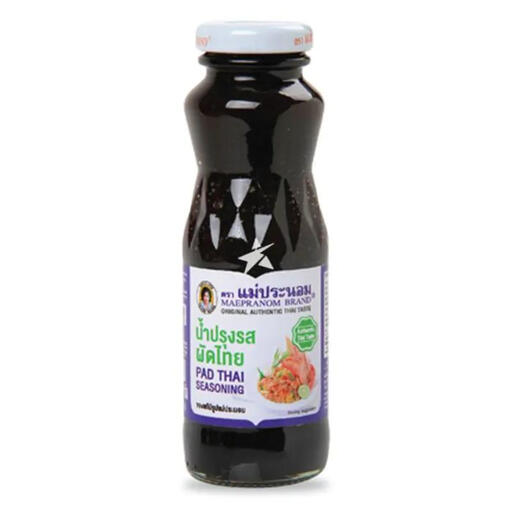
Why This Fits Their Persona: Perfect for those who want to make an authentic Pad Thai without the hassle. You don't need to mix tamarind, fish sauce, and sugar in the right proportions yourself; this sauce provides a complete and balanced base.
This isn't a generic "stir-fry sauce," but a specific seasoning mix for Pad Thai spices. It prevents the disappointment of a dish that doesn't taste like the real thing.
Balanced blend of tamarind, sugar, and fish sauce. Convenient 390g jar for multiple meals.
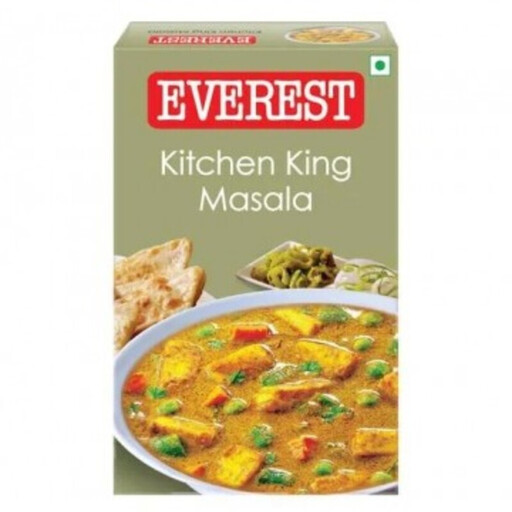
Why This Fits Their Persona: For those who take Indian cuisine seriously. This is a versatile Indian spice mix that serves as a base for countless curries and vegetable dishes (sabzis). It's a trusted brand in many Indian households.
This is not a one-dimensional "curry powder." The mix contains a balanced selection of spices like coriander, cumin, and turmeric for a rich, deep flavour.
Authentic flavour balance for North Indian dishes. Versatile for use in curries, lentils, and vegetables.
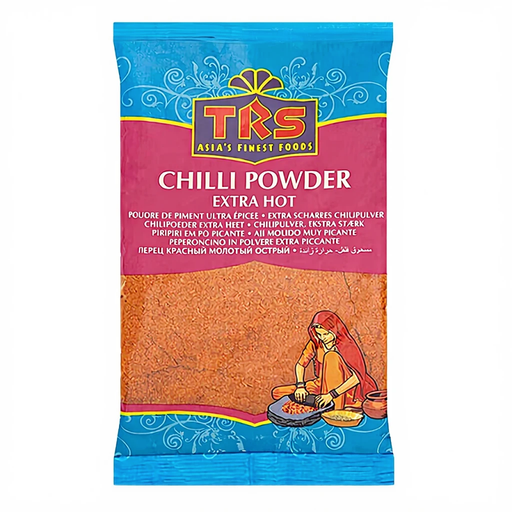
Why This Fits Their Persona: For the home cook or food service professional who uses a lot of chilli powder. This 1kg bulk pack offers excellent value and ensures you won't run out anytime soon.
You avoid the pitfall of overpaying for small, expensive jars. This is a pure product (100% dried red chillies) without unnecessary fillers or a high marketing markup.
Excellent value for money. Pure ingredient for maximum control over the heat level in your dishes.
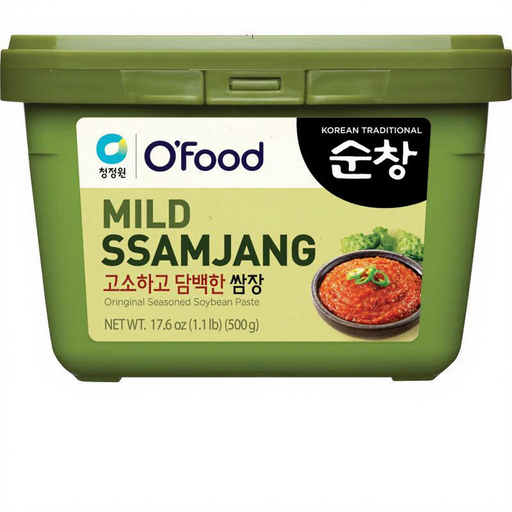
Why This Fits Their Persona: Indispensable for fans of Korean BBQ. Ssamjang is the classic dipping sauce for grilled meat wrapped in a lettuce leaf (ssam). This is one of those specific Korean flavourings that you can't substitute.
This product prevents you from using a generic chilli paste that lacks the complex, savoury umami flavour of fermented soybeans. It delivers the authentic taste required.
A rich, savoury, and slightly spicy flavour. Essential for an authentic Korean dining experience.
We have compiled a complete, up-to-date list of products that meet these selection criteria.
Dried spices (powders and whole spices) are best stored in a cool, dark, and dry place. A kitchen cabinet, away from the stove or oven, is ideal. Ensure the packaging is sealed tightly to preserve aroma and freshness. Spice pastes and sauces usually need to be refrigerated after opening. Always check the label for specific storage instructions.
Although they appear similar, there are regional differences. A boemboe is the Indonesian term for a spice paste, often based on shallots, garlic, chillies, and spices like galangal and turmeric. A curry paste is the Thai equivalent, which typically includes ingredients like lemongrass, galangal, and often shrimp paste (in red and green curries). The flavour profiles are therefore distinct and specific to their respective cuisines.
This depends on your cooking style and how much time you have.
