
Vandaag of morgen in huis

Kwaliteit gegarandeerd

Welkomstaanbiedingen ontgrendelen: GRATIS bezorging | Tot 80% korting | Gratis 30 dagen JoyPlus-proefperiode
Download de app
Cooking Asian cuisine at home is easier than ever. Supermarket shelves are packed with jars and sachets that promise authentic flavours. But anyone who has tried a few different brands will quickly notice that not every Asian spice mix delivers the same result. Before you buy another jar that ends up at the back of the cupboard, it's wise to know what to look for. Many mixes fall into a few common pitfalls.
To avoid wasting money on a mix that doesn't meet your expectations, there are a few practical things you can check directly on the label.
The ingredient list is always in order of quantity. The ingredient listed first is the most abundant. If salt, sugar, or wheat flour is at the top, that's the main component. For high-quality Chinese spices or a rich Indonesian bumbu, you want the herbs and spices themselves to be high on the list.
Not every mix is the same. The type determines how you use it and for which dish it's suitable.
Flavour enhancers like monosodium glutamate (MSG or E621) are widely used to impart a savoury (umami) taste. There's nothing wrong with this, but it can overpower the taste of the pure spices. If you're looking for a more natural flavour, choose a mix without added flavour enhancers.
Based on clear product specifications and use cases, we have selected a few options that suit different cooking styles.
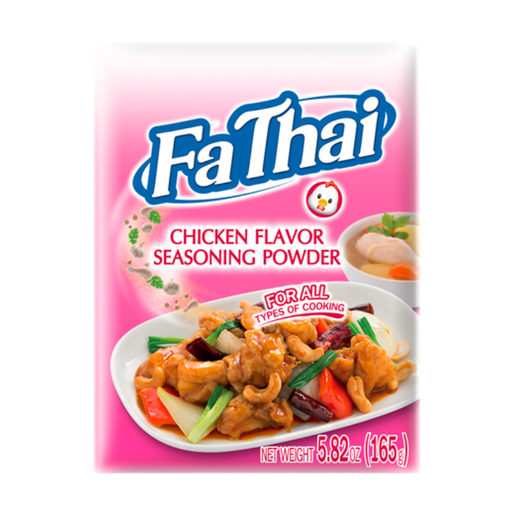
Why This Fits Their Persona: Ideal for anyone who wants to put a flavourful meal on the table quickly on a busy weeknight. This powder serves as a versatile base for soups, marinades, or as a quick addition to stir-fry dishes.
This product is transparent about its purpose: it's a chicken bouillon powder for convenience. It doesn't pretend to be a complex, artisanal mix, but delivers a reliable and quick flavour base.
Highly versatile in use and Halal-certified. A dependable flavour enhancer for everyday dishes.
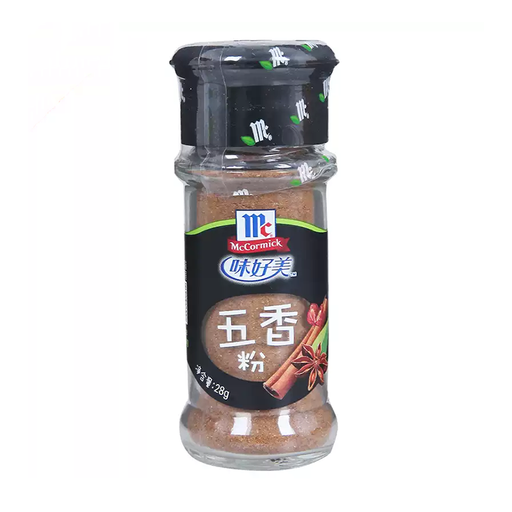
Why This Fits Their Persona: For the home cook who wants to replicate the classic, complex flavours of Chinese cuisine. This five-spice powder is an essential blend for numerous traditional dishes, from roasted meats to stews.
The ingredient list is short, clear, and contains only pure Chinese spices: cinnamon, star anise, fennel seed, and more. No salt or sugar as fillers. You get what you pay for: a pure spice mix.
A classic, balanced blend from a reputable brand. Convenient for those who want to buy five-spice powder without having to grind and mix the spices themselves.
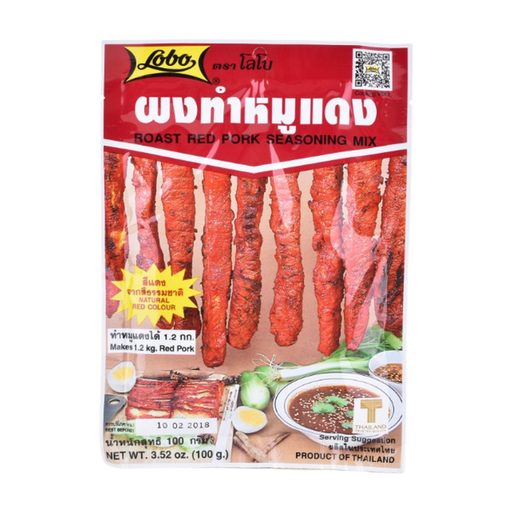
Why This Fits Their Persona: Specifically designed for making Char Siu, the famous Cantonese roasted pork. This mix makes a traditionally complex dish highly accessible for the home cook with a grill or oven.
This isn't a vague "Asian mix," but a purpose-built char siu marinade. It delivers exactly the sweet, savoury flavour and the characteristic red colour you need for this dish, with no guesswork involved.
Maximum convenience for an authentic result. Just mix the powder with water and pork, and you're ready to roast.
We've compiled a complete, up-to-date list of products that meet these strict selection criteria and quality standards.
Dry spice mixes and powders are best stored in an airtight container in a cool, dark, and dry place, like a kitchen cupboard. This helps to preserve their flavour and aroma. Wet mixes like a bumbu or an opened marinade should be refrigerated after opening and typically used within a few days to a week. Always check the label for specific storage instructions.
The main difference is the texture and usage. An Indonesian bumbu is a wet, ground spice paste, often based on fresh ingredients like onions, garlic, chillies, and roots. You first sauté this paste in oil to activate the flavours before adding other ingredients. A seasoning powder is a dry mix of ground spices that you can add directly to a dish, either during cooking or as a final flavouring.
Some mixes are very versatile. A general stir-fry seasoning or an all-purpose seasoning can be used for many different stir-fry dishes. However, other mixes are highly specific, such as a char siu marinade or a mix for Tom Yum soup. These are formulated for the unique flavour balance of one particular dish. Using such a specific mix for a different dish can lead to an unexpected and sometimes undesirable result. Therefore, always read the recommended application on the packaging.
