
Livraison le jour même et le lendemain

Qualité garantie

Débloquez vos offres de bienvenue: Livraison GRATUITE | Jusqu'à -80 % | 30 jours d'essai gratuits à JoyPlus
Téléchargez l'application
When buying Asian soy products, it’s easy to focus on the packaging, size or an appealing product photo. That can be misleading. A bag of dried tofu, for example, isn’t ready to eat straight away, whereas a tofu snack is designed to be eaten straight from the packet. Texture, salt content and storage methods also vary considerably from product to product.
This guide will help you make more informed choices between dried tofu, bean curd, tofu skin, tofu sticks, tofu strips, soya beans and edamame. The selection below is based on verifiable information from product descriptions, such as ingredients, preparation methods, weight and nutritional values.
Dried tofu sticks, tofu knots and tofu strips usually need to be soaked first and then cooked. If you drop them straight into a hotpot, you may end up with a chewy or unevenly soft texture. Always check the packaging to see whether the product needs to be soaked or cooked.
On the other hand, snacks such as seasoned dried bean curd are typically ready to eat and intended to be enjoyed straight after opening.
A product with lots of protein isn’t automatically suitable for every dish. A firm tofu stick works well in broth, stews and stir-fries, but less so as a quick snack. Edamame is better suited to salads, rice dishes or as a side.
So, alongside protein content, pay attention to the shape, texture and preparation method.
Fermented black beans, also known as douchi, often contain salt. For example, the product information for JUAN CHENG states 10g of salt per 100g. YUNSHANBAN states 13.5g of salt per 100g. Use such products as a seasoning rather than in large quantities.
All the soy products mentioned contain soya. Some seasoned snacks also contain sesame, wheat or gluten. Be&Cheery Five-Spice Flavor Tofu Strips, for instance, lists both soya and wheat gluten as allergens.
Start by looking at the ingredients list. A simple product like dried bean curd may consist of only soya beans and water. This is the case for Dried Bean Curd Knot and various Shiping tofu sticks.
Snacks often have a longer list including oil, sugar, spices, flavour enhancers and preservatives. That isn’t necessarily a problem, but it helps you make an informed choice. The term QUID indicates how much of a prominent ingredient is present. For October Wing Dried Shredded Tofu, soya is listed as 100% of the quantitatively declared ingredients.
A 200g pack of dried tofu will yield a different portion size after soaking and cooking than a 200g ready-to-eat snack. So, check:
Preparation varies by type. 7FRESH Shiping Dried Bean Curd Sticks recommends soaking for around 15 minutes in warm water. Kuai Lai Kuai Wang Dried Beancurd Strips states 20 to 30 minutes. The larger 500g pack recommends 30 to 60 minutes.
Dried tofu and soya beans are handy as store-cupboard staples. According to the product information, store them sealed, in a cool, dry place away from direct sunlight. After opening, an airtight container is useful to keep out moisture and pests.
Edamame is a frozen product. Mooijer Soy Seed Edamame 500g must remain frozen until use. Once thawed, the product should be kept refrigerated and must not be refrozen. Always check the temperature and shelf-life information on the packaging.
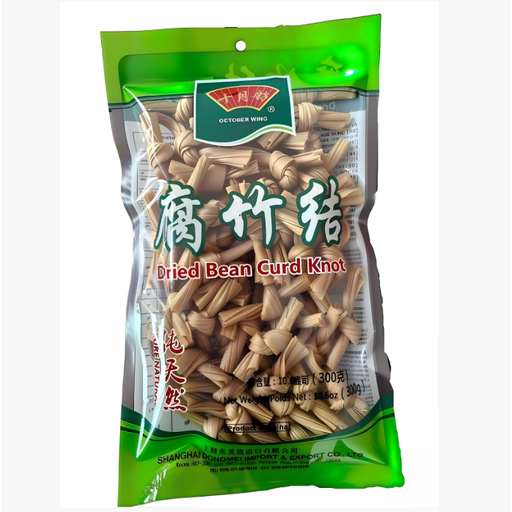
Why this fits the profile: A simple staple for anyone cooking with dried bean curd for the first time. The ingredients list only soya beans and water.
The product information clearly states that it is a dried product. So you know soaking and cooking are required.
300g; suitable for soups, stir-fries and stews; soya and water as ingredients.
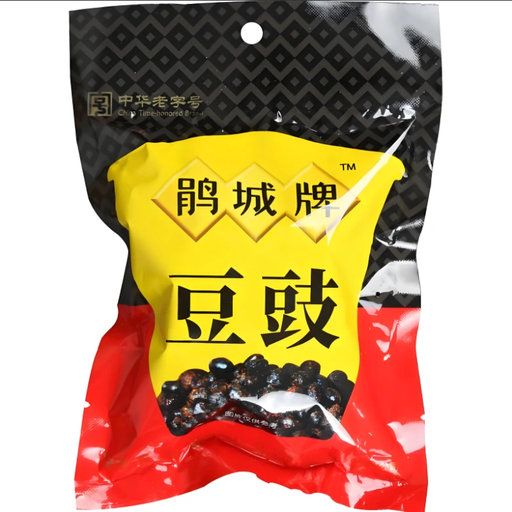
Why this fits the profile: Ideal for home cooks who want to add depth to Chinese, Sichuan and stir-fry dishes.
It is clearly a seasoning, not a main component. The high stated salt content means you use it in small amounts.
300g; fermented soya beans; according to the product information, suitable for fish, vegetables and stewed dishes.
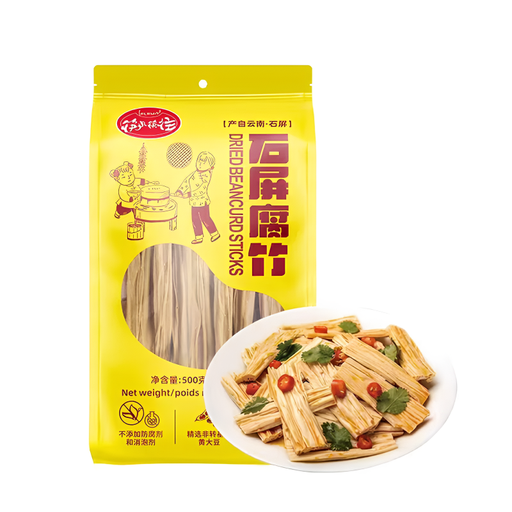
Why this fits the profile: A large bulk pack for regular hotpot meals, soups, stews and vegetarian dishes.
The preparation instructions explicitly state 30 to 60 minutes of soaking followed by cooking. This prevents it being used as if it were a ready-to-eat snack.
500g; 44.8g protein per 100g dry product according to the product information; suitable for multiple cooking methods.
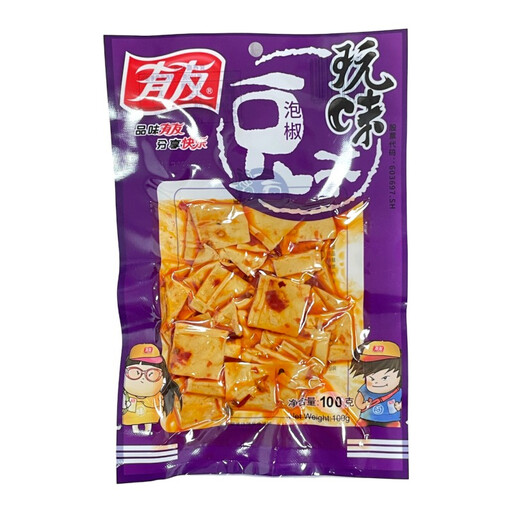
Why this fits the profile: Ready to eat straight away as a spicy snack or as an accompaniment to rice and noodles.
The product information clearly states that it is ready to eat. So there is no need to soak or cook it.
100g; pickled pepper flavour; 21.5g protein per 100g according to the product information.
We have compiled a full, up-to-date list of products that fully meet these strict selection criteria and comply with current European safety regulations.
The terms aren’t used consistently everywhere. Dried bean curd is a broad term for dried soy products. Tofu sticks are often rolled or stick-shaped sheets made from soya milk. Tofu strips are usually flat or cut into strips. Check the shape and preparation instructions on the packaging, as soaking time and texture vary by product.
Rinse the sticks briefly and soak them in warm water until they are soft and pliable. The exact time can vary from around 15 to 60 minutes. Then cut them into smaller pieces if needed and let them cook further in the hotpot or broth. This way they absorb flavour without falling apart straight away.
Edamame is usually sold frozen and belongs in the freezer. Dried soya beans, such as HUASEED Selected Soybeans 400g, can be stored in a cool, dry pantry. These soya beans need to be soaked and cooked first before you use them in soup, porridge or other dishes.
