
Vandaag of morgen in huis

Kwaliteit gegarandeerd

Welkomstaanbiedingen ontgrendelen: GRATIS bezorging | Tot 80% korting | Gratis 30 dagen JoyPlus-proefperiode
Download de app
When you’re looking to buy Asian soy milk and konjac jelly, you’ll quickly come across lots of packaging with terms like “plant-based”, “light”, “vegan” or “protein”. These words don’t always tell you what you’re actually getting. A sweetened soy milk, for example, can contain more sugar than you’d expect, while a small jelly pouch isn’t automatically suitable for children or every eating occasion.
With this guide, you can compare flavour, size, ingredients, nutritional values and usage. That way, you can make a more informed choice between ready-to-drink soy milk, soy milk powder, Korean konjac jelly and Japanese konjac jelly.
Dairy-free soy milk can still contain sugar. Always check the ingredients list and the nutritional information per 100 ml. For example, Vitasoy Original Soy Milk lists sugar in the ingredients and has an energy content of 200 kJ per 100 ml. The lower-sugar variant states 4 grams of sugars per 100 ml.
It’s also important to compare when it comes to soy milk powder. According to the product information, Yonho Pure Soy Milk Powder is made from 100% soybeans and contains no added sucrose. However, the nutritional values are given per 100 grams of powder, not per prepared serving. So make sure you also look at the recommended amount of water and powder.
A low-calorie snack can still contain sweeteners, sugar or multiple thickeners. Jelly B Konjac Jelly Blueberry states 10 kcal per 150 ml serving, with 2 grams of sugar. Delief Lychee states 4 kcal per 100 grams and uses sweeteners among other ingredients.
That doesn’t automatically make a product suitable for every diet. Check whether you have any allergies, which sweeteners have been used, and whether the flavour matches your preference. “Vegan”, “vegetarian” and “halal” should ideally be confirmed on the packaging or in the official product information.
A multipack of small drinks is handy for on the go, but takes up more storage space than a 1-litre carton. A large carton is often more practical for breakfast, coffee or cooking, but needs to be refrigerated after opening and used within the stated time.
With jelly, the portion size is equally important. A 150 ml pouch works well as an individual snack, while individual Japanese konjac jelly portions are convenient to take with you. For imported products, always check the Dutch product page and the physical packaging for the best-before date, allergens and usage warnings.
Soya is an EU allergen and must be clearly stated. Some drinks also contain grains. According to the product information, SAHMYOOK Black Bean & Grain Soybean Milk contains soya and wheat. V-SOY Original Soy Drink contains soya and gluten from barley.
Also check the label for nata de coco. Cocon Nata de Coco in Syrup lists milk as an allergen. Nata de coco is often used as a topping, but because of the syrup it’s not the same as an unsweetened fruit or fibre snack.
Compare drinks per 100 ml and jellies per 100 grams or per piece. Pay particular attention to:
Brands may use nutritional or compositional claims based on their own product information. Don’t take such statements as a general guarantee; always check the nutritional information table on the packaging.
Most soy drinks taste different when chilled compared to at room temperature. According to the product information, Vitasoy Original Soy Milk is best served chilled. V-SOY can also be used in coffee, smoothies, desserts or recipes.
For powder, the preparation method is important. Yonho recommends mixing one serving with approximately 180 ml of hot water at around 80 °C. Joyoung Strawberry Soy Milk Powder comes in six sachets of 20 grams and is prepared with roughly 150 ml of warm or hot water.
Konjac jelly has a firm, slippery texture. Eat it slowly and follow the instructions on the packaging. Don’t give this type of jelly to young children without supervision, and don’t use a pouch if it’s damaged.
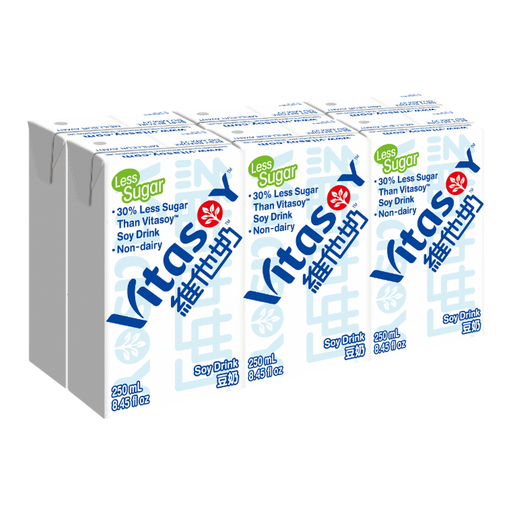
Why this fits the profile: Six 250 ml portions are easy to manage for breakfast, work or on the go. This variant states 4 grams of sugars per 100 ml.
The nutritional information is given per 100 ml, so you can easily compare sugar and energy content with other soy drinks.
250 ml per carton, multipack of six and 44 kcal per 100 ml according to the product information.
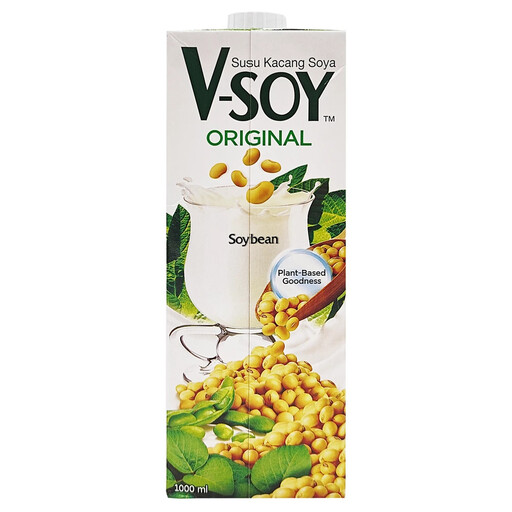
Why this fits the profile: The litre carton is ideal for daily use in breakfast, coffee, smoothies and Asian recipes.
The ingredients and allergens list both soya and gluten from barley, so you can check the composition in advance.
1 litre content, 3.1 grams of protein per 100 ml and enriched with vitamins and minerals according to the product description.
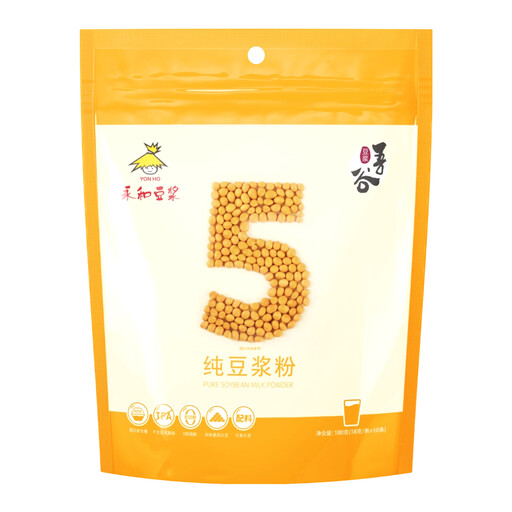
Why this fits the profile: Handy when you want to make up soy milk in portions and don’t want to keep an opened litre carton in the fridge.
The composition lists only soybeans. You do need to measure your own portion and follow the preparation instructions.
180 grams of powder, preparation advice with 180 ml of water and 40 grams of protein per 100 grams of powder according to the product information.
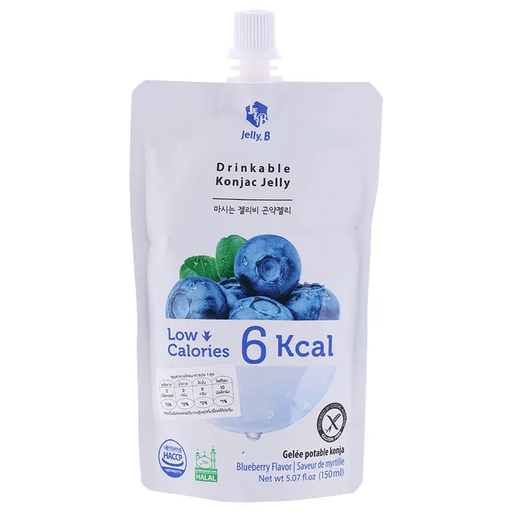
Why this fits the profile: The portable pouch is practical for school, work or travel, and the product information states halal certification.
The portion size, ingredients and nutritional values are clearly stated. Re-check the packaging if you have allergies or if recipes have changed.
150 ml pouch, blueberry flavour, 10 kcal and 2 grams of sugar per serving according to the product information.
We’ve put together a full, up-to-date list of products that fully meet these strict selection criteria and comply with current European safety regulations.
The base is often similar: water and soya. The flavour, sweetness, texture and fortification can vary significantly. Asian drinks also frequently include flavours such as pandan, grains or black bean. So check the sugar content, the amount of soya and any allergens before you go buying soy milk.
This varies by product. Generally, store opened soy milk in the fridge and follow the time stated on the packaging. Vitasoy, for example, states that the drink should be refrigerated after opening and used within 24 hours. Store an unopened carton or powder according to the storage instructions given.
That depends on the specific product. Jelly B states halal certification. Delief Vegan Collagen Konjac Jelly Lychee is listed as vegan and halal in the product information. Always check the current packaging, because ingredients, certifications and allergen information can vary between variants. Also, enjoy konjac jelly slowly and according to the usage instructions due to its firm texture.
