
Vandaag of morgen in huis

Kwaliteit gegarandeerd

Welkomstaanbiedingen ontgrendelen: GRATIS bezorging | Tot 80% korting | Gratis 30 dagen JoyPlus-proefperiode
Download de app
Asian soy milk and instant milk tea are easy to order online, but the packaging doesn't always tell the full story. A "light" soy drink can still contain sugar, while a large box of instant milk tea isn't automatically better value if you don't compare the portions and preparation method.
This guide will help you make more informed choices between soy drink, soy milk powder, unsweetened soy milk, reduced-sugar soy milk and different types of instant milk tea.
Terms like "less sugar" or "reduced sugar" indicate that a product contains less sugar than another variant. That doesn't mean no sugar has been added. Always check the ingredients list and the nutritional information per 100 ml or per serving.
For example, Vitasoy Soya Bean Milk with Less Sugar lists sugar, fructose and 4.0 grams of sugars per 100 ml according to the product information. If you're genuinely looking for unsweetened soy milk, it's better to look for a product with no added sugar in the ingredients list, such as a pure soy milk powder variant.
Instant milk tea often contains a non-dairy creamer. That doesn't automatically mean the product is free from milk components. For instance, Xiang Piao Piao Classic Wheat Flavour lists sodium caseinate from milk. Various taro and Taiwanese variants also contain milk powder or whey powder.
If you have a milk allergy or follow a vegan lifestyle, always check:
A box of 30 sachets might seem practical for daily use, but it requires more storage space and often has a fixed preparation amount. Smaller packs are handier for trying a flavour first, such as taro, jasmine or peach oolong.
Also pay attention to the preparation method. Some powders dissolve in 150 ml of water, while a handmade set with a tea bag needs around 350 ml of hot water. The final taste and strength therefore depend on the amount of water.
Don't just compare the front of the packaging. Look at the ingredients in descending order and at the nutritional information per 100 ml or 100 grams.
For soy drink, these points are particularly relevant:
With soy milk powder, the composition varies significantly. Joyoung Original Grind Soy Milk Powder lists 58% soya beans and 18 grams of protein per 100 grams of powder according to the product information. Yonho Pure Soy Milk Powder lists only soya beans as an ingredient. This makes the two products suitable for different preferences: one is formulated for easy dissolving, the other has a shorter ingredients list.
A drink carton is handy for breakfast, school, the office or on the go. Vitasoy Original Soy Milk comes as six packs of 250 ml. Joyoung Original Ground Pure Soy Milk consists of three packs of 200 ml. The smaller portions are easy to take with you and don't need to be measured again after opening.
Powder sachets offer more flexibility. You can adjust the amount of water and don't need refrigerated storage as long as the pack is unopened. Once prepared, the drink should be consumed immediately according to the product instructions.
Check before buying whether you're looking for a ready-to-drink beverage or a mix product.
Always follow the instructions on the packaging. Caution is needed with young children, especially for products containing red beans or jelly toppings.
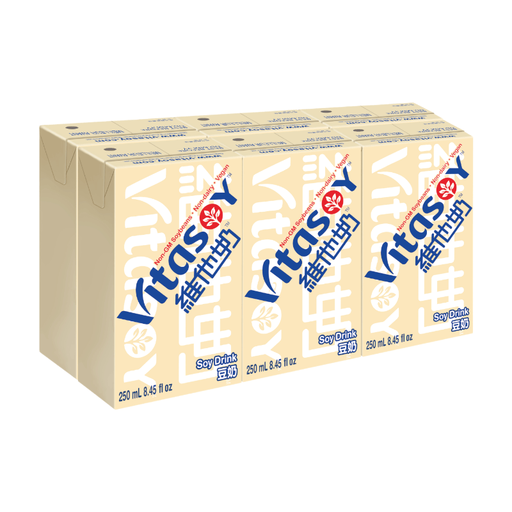
Why this fits the profile: A ready-to-drink classic soy beverage in six 250 ml portions, with no mixing or measuring required.
The portion size and preparation method are clear: drink straight away, serve chilled and use within 24 hours of opening.
250 ml per pack, six individual packs and an original soya flavour. Contains sugar according to the product information; check this if you prefer less sweetness.
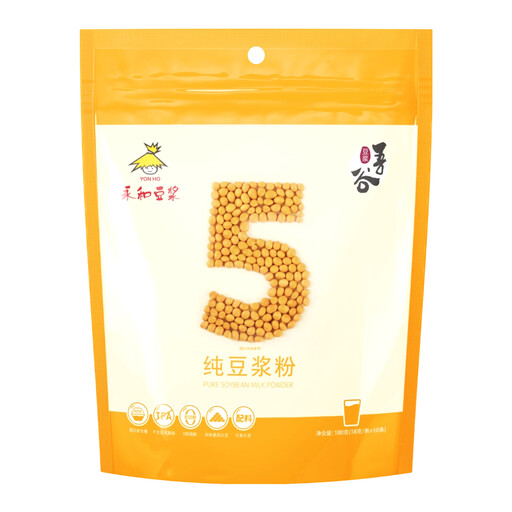
Why this fits the profile: Ideal for anyone looking for a powder with a short ingredients list who wants to control the thickness themselves.
The ingredients list states soya beans as an ingredient according to the product information. No separate sweetener list is visible in the stated composition.
180 gram pack, approximately 40 grams of protein per 100 grams according to the product information and preparation with around 180 ml of water.
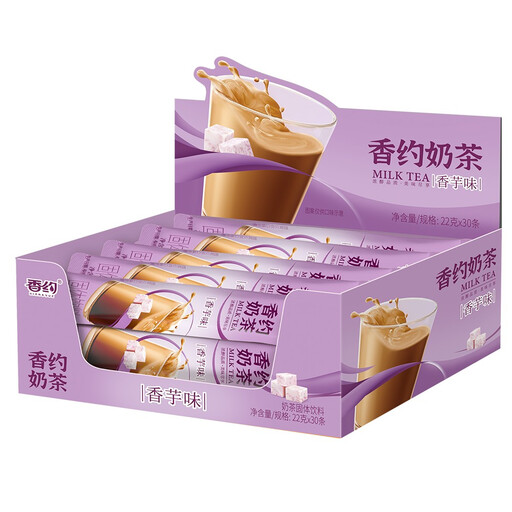
Why this fits the profile: The pack contains 30 sachets of 22 grams and suits people who regularly want to make taro milk tea or bubble tea at home.
Each portion has a fixed amount of powder. This eliminates guesswork for daily use, although the composition contains milk components according to the product information.
30 individual portions, 150 ml of hot water per sachet and a taro flavour with non-dairy creamer and milk powder.
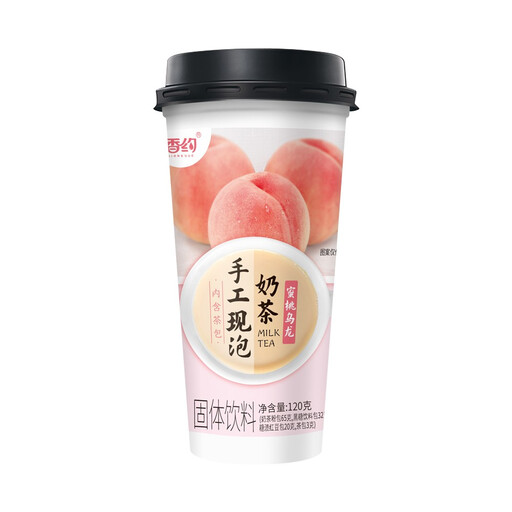
Why this fits the profile: A set with peach powder, oolong tea bag, brown sugar syrup and sweet red beans for a more elaborate preparation at home.
The separate sachets make it clear which components you're adding. This allows you to adjust the syrup or toppings to your own taste.
Preparation with around 350 ml of hot water, an oolong tea bag and multiple toppings. Contains milk and red beans according to the product information.
We've put together a full, up-to-date list of products that fully meet these strict selection criteria and comply with current European safety regulations.
No. Soy milk itself is plant-based, but check the ingredients and allergens on the packaging. Some blended drinks may contain additional milk components. Products with only soya as an ingredient are a different choice from soy drinks with sugar, flavourings or grain extracts.
First put the powder in a dry cup and add a small amount of hot water. Stir this into a smooth paste and then add the rest of the water. Stick to the temperature and amount stated on the packaging. With Xiang Yue sets, you need to steep the tea bag first before adding the remaining sachets.
This varies by product. Ready-to-drink packs must be refrigerated after opening and consumed within 24 hours, according to the stated product instructions. Powder should be stored dry, sealed and out of direct sunlight. Always check the best-before date and instructions on the original packaging.
