
Vandaag of morgen in huis

Kwaliteit gegarandeerd

Welkomstaanbiedingen ontgrendelen: GRATIS bezorging | Tot 80% korting | Gratis 30 dagen JoyPlus-proefperiode
Download de app
Buying Asian soft drinks online can quickly leave you with an awkward cupboard full of drinks that do not suit your taste or how you intend to use them. Eye-catching packaging tells you little about what is inside. Terms such as “tropical”, “natural” or “no sugar” also deserve a closer look at the label.
The most common pitfalls:
Check the nutritional values per 100 ml as well as the total volume of the packaging. A drink containing 11 grams of sugar per 100 ml contains around 36 grams of sugar in a 330 ml bottle or can. For Mogu Mogu lychee flavour, for example, the supplied product information states a sugar content of approximately 11 to 13 grams per 100 ml. If you want to buy Mogu Mogu, it is also worth taking the nata de coco pieces and the sweeter flavour into account.
For tropical fruit drinks, the fruit percentage is particularly relevant. Iam Superjuice Passionfruit contains 30% natural passion fruit juice and no added sugar; the product information states 17 kcal per 100 ml. Iam Superjuice Pink Guava also contains 30% fruit juice and 16 kcal per 100 ml. “No added sugar” does not mean the same as “sugar-free”: naturally occurring sugars may still be present in the product.
Not every exotic soft drink is the same. Pay attention to the difference between:
If you are looking for Japanese or Korean soft drinks, it is best to decide beforehand whether you prefer something fresh and fizzy, sweet and fruity, or creamy. Buying Milkis, for example, is a different choice from a classic cola or Calypso Yuzu Lychee Lemonade.
Check the number of cans, the volume per can and the best-before information on the packaging. Multipacks of soft drink cans are practical for visitors or stocking up, but they take up more space and need to be stored somewhere cool and dry.
Also pay attention to allergens. According to the product information, LOTTE Milkis Melon and Milkis Strawberry contain milk and soya. Drinks containing sweeteners may include a source of phenylalanine. Check the packaging before drinking, especially if you need to take allergies or specific dietary choices into account. Once opened, drinks such as coconut water and lemonade should be kept refrigerated and consumed within the stated period.
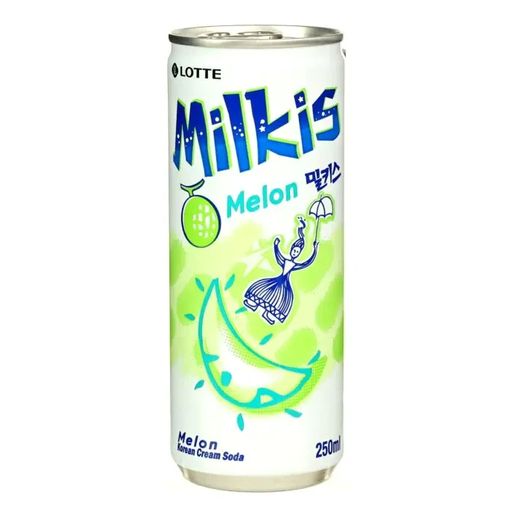
Why it suits this profile: A single 250 ml can is an easy way to try a Korean soft drink with melon flavour and a creamy milky character.
The small pack means you do not have to buy a large quantity before you know whether the combination of melon, carbonation and milk powder suits you.
250 ml per can; 48 kcal and 12 grams of sugar per 100 ml according to the product information; contains milk and soya.

Why it suits this profile: Ideal if you are looking for a supply of drinks with no added sugar and would rather avoid carbonation or a strong cola flavour.
The product information states 100% coconut water and no added sugar. However, always check the current packaging and bear in mind that it contains coconut pieces.
12 cans of 330 ml; 2% real coconut pieces according to the product description; serve chilled.

Why it suits this profile: A tray of 24 cans is ideal for offices, events, catering businesses or households where a chilled drink is served regularly.
The packaging and format are clearly described. This makes it clear in advance that you are buying 24 cans of 330 ml rather than a single drink.
0 grams of sugar and 0.3 kcal per 100 ml according to the product information; caffeine-free; contains aspartame and a source of phenylalanine.
We have put together a complete, up-to-date list of products that fully meet these strict selection criteria and the applicable European safety regulations.
Check the volume per pack, the number of cans, the ingredients list, allergens and best-before information. Also check the storage conditions. A multipack is cost-effective for regular use, but less practical if you want to try a flavour first.
Not every marketing term means the same thing. “No added sugar” may mean that no sugar has been added to the recipe, while fruit juice naturally contains sugars. With “zero sugar”, the nutritional table will generally state 0 grams of sugar, but the product may still contain sweeteners. Always check the current packaging.
Keep an opened can of soft drink, lemonade or coconut water refrigerated and use it according to the instructions on the label. Unopened products should generally be stored somewhere cool and dry, away from direct sunlight. You will find the exact shelf life on the packaging; this information takes precedence.
