
Vandaag of morgen in huis

Kwaliteit gegarandeerd

Welkomstaanbiedingen ontgrendelen: GRATIS bezorging | Tot 80% korting | Gratis 30 dagen JoyPlus-proefperiode
Download de app
Buying Asian soft drinks might seem straightforward, but the range varies greatly in flavour, sugar content, packaging and portion size. A Korean pouch drink is handy for on the go, while a soft drink multipack is better suited to a party or your store cupboard. A Japanese soft drink, aloe vera drink or Asian fruit drink can also taste very different from what the name on the packaging suggests.
If you only look at an eye-catching package or exotic flavour name, you could end up with a drink that is too sweet, goes flat quickly, or doesn’t suit how you planned to use it. With these practical points to consider, you can compare more effectively.
“Pineapple”, “mango” or “grape” doesn’t automatically mean the product is mostly fruit juice. So always check the ingredients list. For Bong Bong Grape 238ml, for example, it states 5% grape pieces and 0.8% concentrated grape juice. That gives you more context than just the name “grape”.
With FOCO Mango Passion Fruit Drink 350ml, 10% mango juice and 5% passion fruit juice are listed. This gives you a clearer starting point if you’re looking for a tropical fruit drink with fruit juice rather than just flavouring.
Marketing terms like “refreshing”, “light” or “low calorie” need to be checked against the nutritional information table. Cantabile Pineapple Ade contains 54 kcal and 13 grams of sugar per 100 ml according to the product information. The full 230 ml pouch therefore works out at around 124 kcal and 29.9 grams of sugar.
Sweet16 Green Grape Ade Zero Sugar, on the other hand, states 0 grams of sugar and 2 kcal per 100 ml. The product uses sweeteners, including sucralose and stevia according to the ingredients list. That could work if you want to avoid sugar, but the taste experience may be different from a regular soft drink.
A 190 or 230 ml pouch is practical for a single serving, but can work out more expensive per litre than a bottle or multipack. For everyday use, it’s worth comparing the price per litre. For a party, office or catering use, a pack of 20 or 24 can be more convenient, even if the upfront cost is higher.
With multipacks, also consider storage space, shelf life and the total number of servings. A stock that you don’t use in time offers little benefit.
Choose the volume based on how you’ll use it:
Pouches are light and easy to carry, but always check the instructions on the packaging after opening. Bottles and cans are often easier to reseal or keep chilled.
Always compare the values per 100 ml and per full package. A 500 ml bottle with 8 grams of sugar per 100 ml contains 40 grams of sugar in total. Also look at ingredients such as sucralose, acesulfame K, stevia or high-fructose corn syrup if you have a preference for a particular type of sweetness.
The composition can vary between variants. For example, OKF Aloe Vera Drink Strawberry 500 ML lists 22% aloe vera juice and 8% aloe vera gel, alongside fructose and sugar. The product name alone doesn’t tell you enough about the contents.
Decide in advance what type of drink you’re looking for:
For products with fruit pieces or gel, check the texture. Bong Bong Grape, for example, contains grape pieces. That might be appealing to some shoppers, but not everyone wants a drink with bits in it.
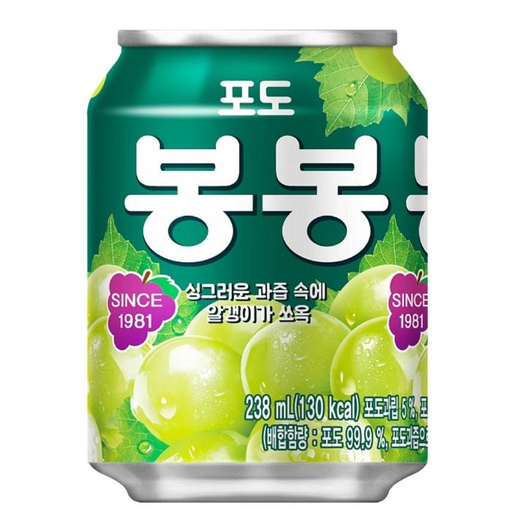
Why this fits the profile: A compact Korean drink to discover a familiar grape flavour with an unusual texture, without buying a large multipack straight away.
The ingredients list states 5% grape pieces and 0.8% concentrated grape juice, so you can compare the product name with the actual composition.
238 ml per package; 53 kcal and 13 grams of sugar per 100 ml according to the stated nutritional values.
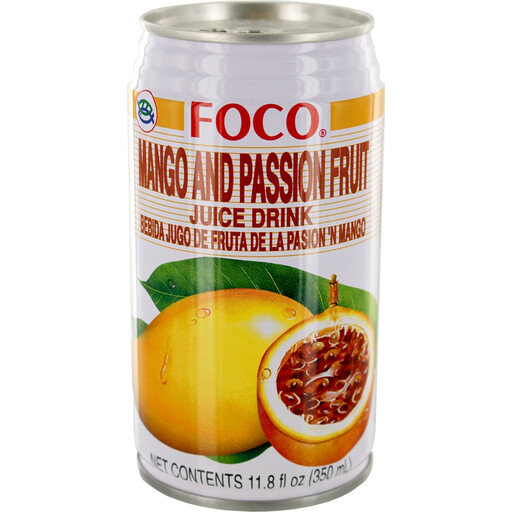
Why this fits the profile: For anyone looking for an Asian fruit drink with a tropical flavour profile who prefers a bottle over a pouch.
The listed ingredients mention 10% mango juice and 5% passion fruit juice. This makes the fruit content easier to assess than based on the flavour name alone.
350 ml bottle; 42 kcal and 9.8 grams of sugar per 100 ml according to the product information.
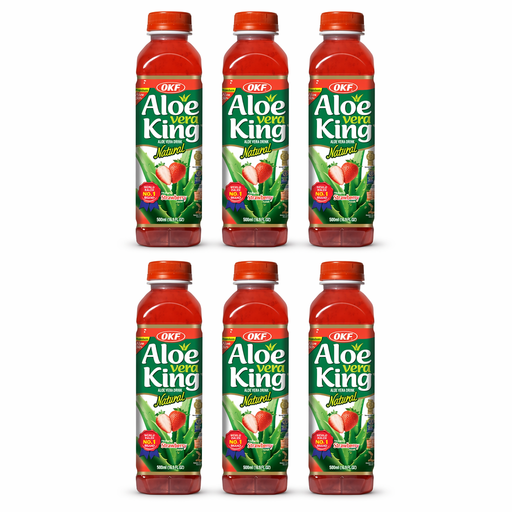
Why this fits the profile: A six-pack for households, workplaces or occasions when you want to have several chilled drinks ready.
The package contains six 500 ml bottles. So you’re not unknowingly buying a large carton without first being able to gauge the size and quantity.
Six individual bottles; according to the product information, the variant contains aloe vera juice and aloe vera gel.
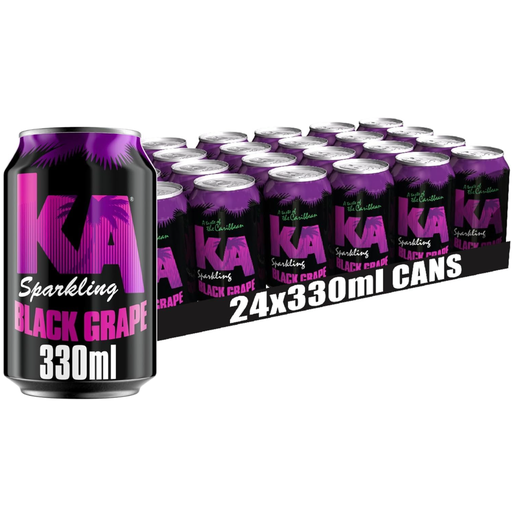
Why this fits the profile: For anyone wanting to stock up on multiple portions for guests, an event or a catering fridge.
The quantity is clear upfront: 24 cans of 330 ml. This makes the total stock and portion size easy to plan.
24 cans; carbonated black grape flavour according to the product description.
We’ve put together a full, up-to-date list of products that fully meet these strict selection criteria and comply with current European safety regulations.
Compare the nutritional values per 100 ml and per package. Sweet16 Green Grape Ade Zero Sugar states 0 grams of sugar and 2 kcal per 100 ml, but it does contain sweeteners. “Sugar-free” doesn’t automatically mean the taste is the same as a regular fruit drink.
Unopened products can often be stored at room temperature, as long as the label allows it and the drink is kept out of direct sunlight and heat. After opening, you should follow the instructions on the packaging. Various product information pages advise storing opened drinks in the fridge and consuming them within the stated period.
That depends on the price, volume and how you’ll use it. Calculate the price per litre and check how many packages you actually need. A multipack like KA Black Grape with 24 cans is practical for larger groups, while individual bottles or pouches make more sense when you want to try different flavours first.
