
Vandaag of morgen in huis

Kwaliteit gegarandeerd

Welkomstaanbiedingen ontgrendelen: GRATIS bezorging | Tot 80% korting | Gratis 30 dagen JoyPlus-proefperiode
Download de app
Buying Asian soft drinks is a simple way to try new flavours. Think lychee, grape, pineapple, peach or guanabana. Yet the range can be confusing. A striking package tells you little about the fruit juice content, the sugar level or what’s inside a multipack.
With these practical selection points, you can compare exotic soft drinks, Japanese soft drinks and Korean soft drinks based on verifiable information. That way, you avoid buying a large stock of a flavour that isn’t right for you.
A can with pineapple, lychee or grapes might suggest a strong fruit flavour. So check the ingredients list and the quantitative declaration. For Jane Jane Lychee Soda, for example, 1% lychee concentrate is stated. With Bong Bong Grape, the product information shows it contains 5% grape pieces and 0.8% concentrated grape juice.
The flavour is also often determined by aromas, acids, sugar or sweeteners. That’s not necessarily a problem, but it does help you set your expectations correctly.
A soft drink multipack of 12 or 24 cans is handy for a party, but less suitable if you want to try a flavour first. Pay attention to the total volume, the serving size and the best-before date. A tray of 24 cans of 330 ml contains nearly eight litres of drink. That also requires enough storage space at home.
For a first try, individual cans, a 6-pack or a 200–350 ml bottle are often more practical.
A sugar-free soft drink may contain sweeteners such as aspartame, acesulfame-K or sucralose. So don’t just look at the front of the packaging; also check the nutrition table and any warnings. LOTTE CHILSUNG Pepsi Zero Sugar Peach, for example, states 0 grams of sugar and 0 kcal per 100 ml, but does contain several sweeteners and a warning that it contains aspartame.
Always check the Dutch label on imported products. The packaging may contain more or different information than the product page.
Choose the format based on when you’ll be drinking it:
Ramune is often sold in small glass bottles of 200 ml. The HATA Lychee Ramune has a sweet-sour lychee flavour and fizz. The bottle goes well with an Asian meal, hotpot or barbecue, but due to its size it’s less intended as a stock for a large party.
Compare the values per 100 ml, not just per can. Products vary greatly in serving size. Fanta Pineapple states 44 grams of sugar per 100 ml, while Fanta Strawberry Kiwi, according to the product information provided, contains 10.2 grams of sugar per 100 ml and is sweetened with sweeteners.
Even a product with relatively little sugar is still a soft drink. If you want to compare consciously, look at:
Also pay attention to specific warnings. In the product information for Fanta Pineapple, the colourings E102 and E110 are mentioned, with a mandatory warning about activity and attention in children.
The origin helps you understand the character of a product, but doesn’t automatically say anything about the ingredients. Ramune is a well-known Japanese soft drink with a distinctive bottle. Cantabile Strawberry Ade and Pepsi Zero Sugar Peach are examples of Korean soft drinks. Foco, Fernandes and KA offer flavours that tie in with tropical, Caribbean and other international drink traditions.
Choose based on the flavour you’re looking for:

Why this fits the profile: A 6-pack keeps the purchase manageable when you want to try lychee soft drink for the first time or share it with a few guests.
The smaller multipack limits the risk of buying too much stock. The product information also states 16 kcal and 3.5 grams of sugar per 100 ml.
330ml cans, 1% lychee juice concentrate and clear nutritional information per 100 ml.
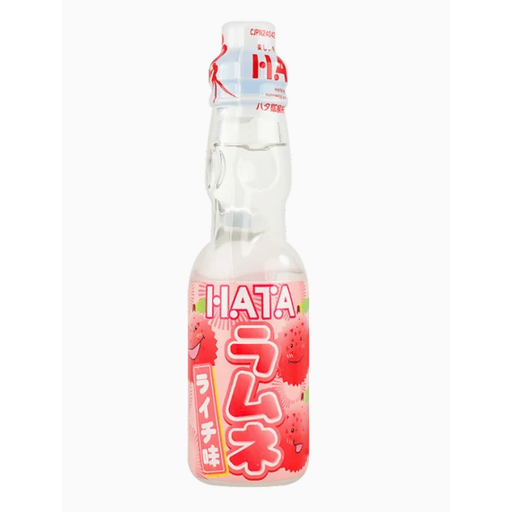
Why this fits the profile: Ideal for fans of Japanese soft drinks who value the recognisable Ramune format and a smaller serving size.
The 200 ml volume makes it easier to try a special flavour without immediately buying several litres.
Japanese Ramune style, lychee flavour and carbonation; store in a cool place away from direct sunlight.
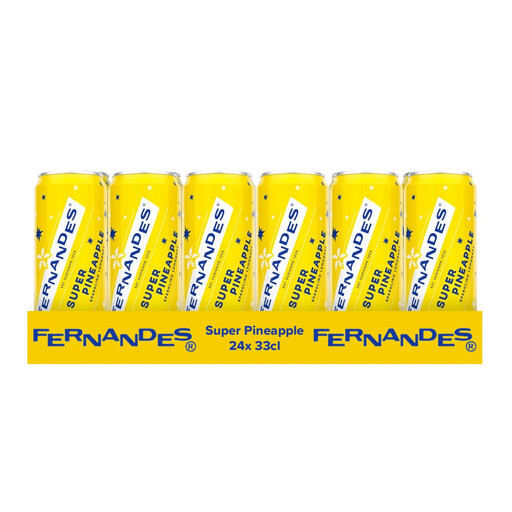
Why this fits the profile: A generous stock for parties, events or households where tropical soft drinks are regularly served.
The packaging clearly states 24 cans of 330 ml. This allows you to calculate the stock and required storage space in advance.
24 slim cans, pineapple flavour and 42 kcal per 100 ml according to the product information.
We’ve put together a full, up-to-date list of products that fully meet these strict selection criteria and comply with current European safety regulations.
Use this quick checklist before you check out:
For everyday use, a smaller format may be more convenient. For a barbecue, birthday or gathering, Fanta Pineapple, Fanta Grape, Fanta Strawberry Lemonade, KA Black Grape and Fernandes Green Punch are examples of multipacks with a clear purpose.
A 6-pack of Jane Jane Lychee Soda is a manageable choice when you want to try lychee soft drink. If you’re more interested in the packaging and serving tradition, you could go for HATA Lychee Ramune at 200 ml.
The relevant best-before information is on the packaging. Store unopened soft drinks in a cool, dry place away from direct sunlight. Once opened, the drink should be kept refrigerated and consumed according to the instructions on the label.
That depends on the format, delivery costs and how much you drink. A multipack can be good value per can if you use the entire stock. For a new flavour, a smaller size is more financially cautious. So always compare the price per litre, not just the price of the pack.
