
Vandaag of morgen in huis

Kwaliteit gegarandeerd

Welkomstaanbiedingen ontgrendelen: GRATIS bezorging | Tot 80% korting | Gratis 30 dagen JoyPlus-proefperiode
Download de app
Asian soft drinks come in many varieties, from Japanese Ramune in a marble-sealed bottle to Korean soft drinks and tropical fruit drinks from Vietnam, Thailand and Mexico. This wide selection makes choosing enjoyable, but it can also make it tricky. Eye-catching packaging does not always tell you how much fruit juice a drink contains, how much sugar it has or whether it is practical for your needs.
Use these checkpoints to avoid a disappointing purchase and compare products using verifiable information.
A lychee, mango or passion fruit flavour does not automatically mean that a drink contains a high proportion of fruit juice. Some soft drinks mainly use flavourings, sugar and food acids. Other products clearly state a specific juice percentage, such as 30% natural lychee juice, 30% passion fruit juice or 25% passion fruit juice.
Always check:
A fruit drink with no added sugar can still contain naturally occurring sugars. For example, Iam Superjuice Lychee states that it contains 30% lychee juice and has no added sugar. That is not the same as being sugar-free.
When comparing products, look at the difference between:
The nutritional information on the packaging remains the deciding factor. Product compositions and packaging may change.
A single bottle of 190, 200, 330, 350 or 370 ml is ideal for trying a flavour. A soft drink multipack is more practical for a party, family, cupboard stock or catering environment, but it takes up more space and requires a considered choice of flavour.
When buying multipacks, also calculate the total volume. A tray with 12 cans of 330 ml contains 3.96 litres. A box with 30 Ramune bottles of 200 ml comes to 6 litres.
If you are looking for a distinct fruit flavour, it is better to check the juice percentage than to rely solely on the name on the label. Iam Superjuice Passionfruit states 30% natural passion fruit juice and 17 kcal per 100 ml. The Pink Guava variant states 30% pink guava juice and 16 kcal per 100 ml. FOCO Passion Fruit Juice states a minimum of 25% passion fruit juice and contains sugar.
For a sweeter carbonated option, you can choose from products including Jarritos Mango, Fanta Pineapple and Bundaberg Passionfruit. According to the supplied product information, these products contain sugar. As a result, a tropical fruit drink and a carbonated soft drink can differ considerably in their composition and mouthfeel.
Japanese Ramune is known for its distinctive glass bottle with a marble seal. The marble is pushed into the bottle when it is opened. This is part of the drinking experience, but it also means you should open it carefully: the bottle is carbonated and should not be shaken.
When choosing Ramune, check:
Some variants carry a warning about colourings such as E102 or E129. Always read the label before buying, especially when purchasing drinks for children.
According to the product information, Milkis Melon contains milk and soya. Other products mentioned state that they contain none of the 14 major EU allergens, but always check the current label.
Store soft drinks and fruit drinks in a cool, dry place away from direct sunlight. Once opened, the product should generally be refrigerated and consumed quickly. A damaged seal is a reason not to use the bottle or can. Full information about shelf life, ingredients and warnings can be found on the packaging.
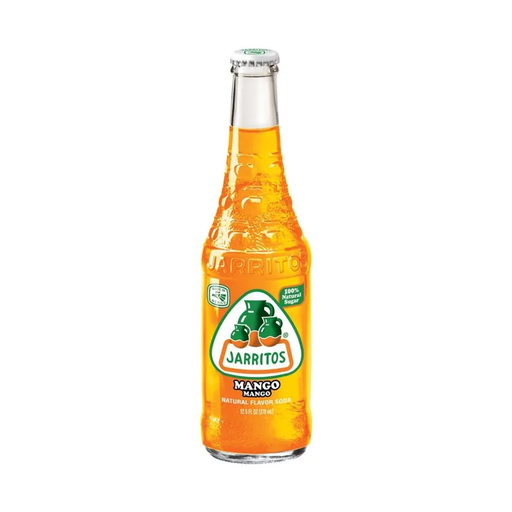
Why it suits this profile: A 370 ml bottle is a manageable choice if you are trying a Mexican mango drink for the first time, without committing to a large multipack.
The ingredients list states sugar and natural mango flavouring. You therefore know in advance that this is a sweetened soft drink, not fruit juice.
370 ml per bottle, carbonated and, according to the product information, free from the 14 major EU allergens.
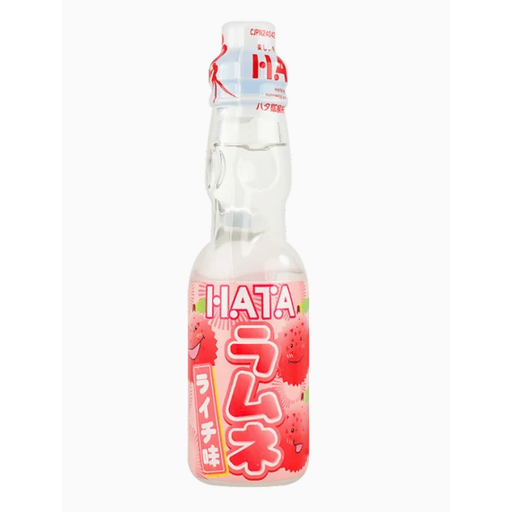
Why it suits this profile: This Japanese Ramune combines lychee flavour with the instantly recognisable small glass bottle, making it ideal for a special serving moment at dinner or drinks with friends.
The product information clearly lists the ingredients: carbonated water, sugar, fructose-glucose syrup, citric acid and lychee flavouring. This prevents confusion with a juice drink.
200 ml per bottle, Japanese origin according to the product description, and a fruity sweet-and-sour flavour.

Why it suits this profile: The tray of 12 cans is practical for sharing, stocking up or an event where individual 330 ml portions are convenient.
The label states 30% natural passion fruit juice, no added sugar and 17 kcal per 100 ml. Check these details on the packaging again when your order arrives.
12 × 330 ml, made in Vietnam according to the product information, and suitable for serving chilled.
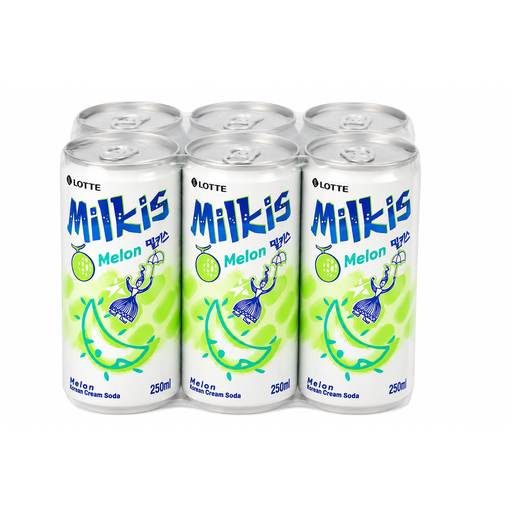
Why it suits this profile: If you are looking for a creamy, sweet Korean soft drink rather than a classic fruit soda, this pack offers six melon-flavoured servings.
The product information explicitly lists milk powder and soya. This makes it clear from the outset that it is not a standard dairy-free soft drink.
6 × 250 ml, product of South Korea according to the product information, and 50 kcal per 100 ml.
We have put together a complete, up-to-date list of products that fully meet these strict selection criteria and the applicable European safety regulations.
Japanese Ramune is a carbonated soft drink in a distinctive glass bottle sealed with a glass marble. The drink is often available in flavours such as lychee, mango, pineapple, peach and green apple. Open the bottle carefully and serve chilled.
The range includes Iam Superjuice Lychee, Passionfruit, Pink Guava, Mangosteen and Soursop, all labelled “no added sugar”. This does not automatically mean they are sugar-free. Check the current nutritional table and ingredients list before buying.
A multipack can be practical if you drink soft drinks regularly, are organising a party or need drinks for catering. The price per bottle or can may be lower, but also compare the total volume, delivery costs, shelf life and the likelihood that you will enjoy the flavour. For a first taste, a single bottle is often the sensible choice.
