
Vandaag of morgen in huis

Kwaliteit gegarandeerd

Welkomstaanbiedingen ontgrendelen: GRATIS bezorging | Tot 80% korting | Gratis 30 dagen JoyPlus-proefperiode
Download de app
Buying Asian soft drinks seems straightforward, until you look at the range. Korean drinks, Japanese soft drinks, tropical fruit drinks and nata de coco drinks vary widely in flavour, sugar content, size and texture. A striking package tells you very little about what you are actually buying.
So pay close attention to the information on the label. That way, you can avoid paying for a flavour that isn’t right for you, buying a multipack when you’d rather try first, or choosing a drink that doesn’t suit your allergies or your preference for sugar or sweeteners.
With a sparkling fruit drink or exotic soft drink, the fruit flavour may come from a small amount of juice, concentrate, purée or flavouring. You can see the difference in the ingredients list. For example, Jeju Hallabong ADE Sparkling contains 0.9% Hallabong concentrate according to the product information. FOCO Guava Juice, on the other hand, states 25% guava purée.
So if you’re looking for a distinct fruit flavour, it’s wise not just to look at the front of the packaging. Check the percentage of fruit and the order of the ingredients.
Taksi Tropical Fruit Drink is described as a drink with no added sugar, but it does contain sucralose as a sweetener and naturally occurring sugars. That’s different from a product with no sweet taste or no carbohydrates.
So compare the nutritional values per 100 ml. With a 350 ml bottle, the total amount of carbohydrates or sugar can quickly add up. A drink with 10 grams of sugar per 100 ml contains around 35 grams of sugar in a full bottle.
A pouch, can or bottle with pieces of fruit creates a different drinking experience. Mogu Mogu Lychee contains nata de coco, while Bong Bong Grape contains 5% grape pieces according to the product description. That can be appealing for those who enjoy a chunky texture, but less suitable if you simply want to drink a smooth soft drink quickly.
Also pay attention to the volume. A 150 ml or 190 ml can is handy as a small portion. A multipack of 24 units is better for regular use, but does require more storage space.
First, decide what you’re looking for:
Carbonation can build up pressure during transport or storage. So open a can or bottle gently and don’t shake a carbonated drink beforehand.
The ingredients list gives a more objective picture than terms like “tropical”, “fresh” or “premium”. Check:
Milkis Melon lists milk and soya. The product information for Taksi contains milk constituents, even though part of the description states that none of the fourteen main EU allergens are present. If the information is contradictory, the label on the packaging is the deciding factor.
Compare the nutritional values per 100 ml and per package. Examples from the product information:
A large bottle is practical for several people, but you must follow the storage advice after opening. Small packages are easier to take with you and limit the amount you open at once.
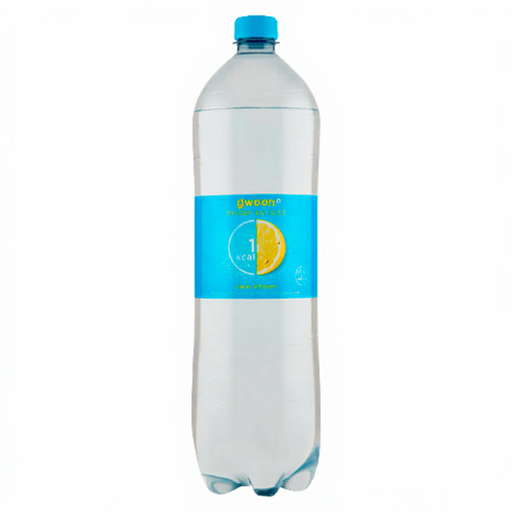
Why this fits the profile: A large bottle is practical for home, guests or a meal. The fresh lemon flavour is accessible for anyone comparing different soft drinks for the first time.
The product information clearly states 1.5 litres, carbonation and lemon flavour. So you can easily judge the size in advance.
1.5 litre volume, carbonated and according to the product information 0 grams of sugar per 100 ml.
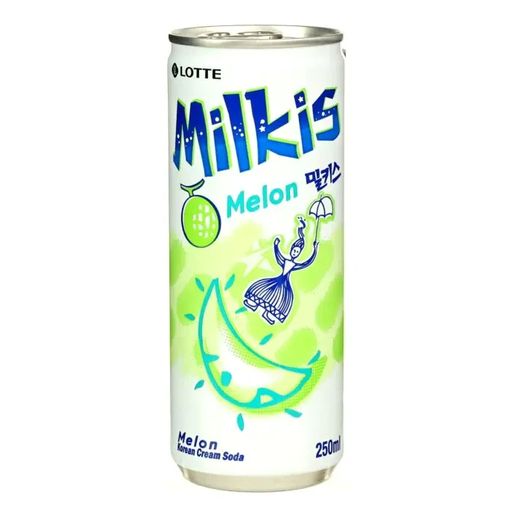
Why this fits the profile: For fans of Korean snack culture who want to try a milky soft drink with melon flavour and carbonation.
The single 250 ml can prevents you from buying a multipack straight away without knowing the combination of milky flavour and melon.
250 ml per can, carbonated, with skimmed milk powder, melon flavour and mention of vitamin A and D3.
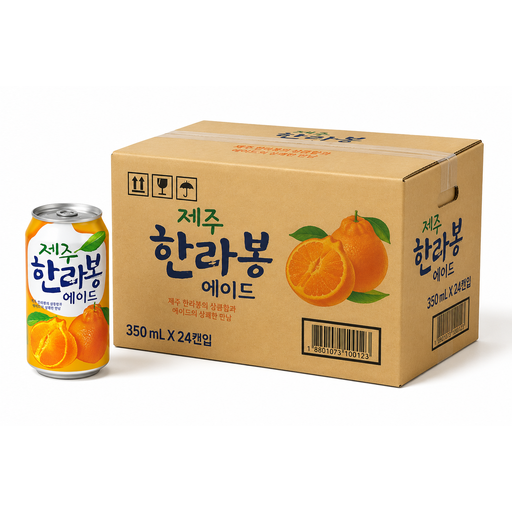
Why this fits the profile: A stock-up option for households, shared workplaces or enthusiasts who regularly serve a Korean sparkling fruit drink.
The packaging states 24 bottles of 350 ml. So you know in advance how much drink you’re receiving and what the stock is suitable for.
24 portions of 350 ml, carbonated, with Hallabong concentrate and a citrus profile.
We’ve put together a full, up-to-date list of products that fully meet these strict selection criteria and comply with current European safety regulations.
Check these points before you checkout:
For products from outside the Netherlands, labels, translations and product information may differ. The packaging of the product you receive remains the most important source for ingredients, allergens, nutritional values and shelf life.
First choose an individual package of 190 to 350 ml. That way you can try, for example, a lychee drink, mango drink, guava drink or melon drink without buying a large stock straight away. A product like LOTTE Milkis Melon is suitable if you’re specifically looking for a milky and sparkling flavour combination.
Store an opened drink according to the label. The product information for several of the drinks mentioned recommends refrigeration after opening. Seal a bottle or pouch tightly and drink the contents within the stated period. Carbonation can decrease after opening, which changes the flavour experience.
That depends on the price per 100 ml, delivery costs and any deposit. Divide the total price by the number of millilitres to compare packages fairly. A multipack is especially practical when you already know the flavour and use the drink regularly. For a first purchase, an individual bottle or can is usually a more cautious choice.
