
Vandaag of morgen in huis

Kwaliteit gegarandeerd

Welkomstaanbiedingen ontgrendelen: GRATIS bezorging | Tot 80% korting | Gratis 30 dagen JoyPlus-proefperiode
Download de app
An eye-catching can from an Asian supermarket quickly grabs your attention. However, a tropical image does not always tell you how much fruit it contains. With Asian soft drinks and fruit drinks, flavour, sugar content, packaging and contents can vary considerably from one product to another. If you judge a drink solely by its name or appearance, you could end up with something that is too sweet, has little fruit flavour or is unsuitable for allergies in your household.
As a Joybuy Product Recommendation Officer, I filter the most important product information down to practical points. This allows you to compare Korean soft drinks, Asian fruit drinks and multipacks using specifications you can check in advance.
A mango-, lychee- or guava-flavoured drink may consist mainly of water, sugar, acidity regulators and flavourings. So check the ingredients list and the percentage of fruit purée, fruit juice or juice concentrate. According to the product information, FOCO Guava Juice contains 25% guava purée. FOCO Mango Passion Fruit Drink lists 10% mango juice and 5% passion fruit juice.
Sagiko Mango Juice lists mango as purée in the ingredients, but the product information does not state a clear percentage. This makes comparisons more difficult. In such cases, also check the packaging before buying a larger quantity.
A box containing 6 or 24 cans is handy for a party, office or storage cupboard. However, when trying a new flavour, buying a single pack may be the wiser choice. A 250 ml can of Milkis Melon, for example, lets you try a Korean milk soft drink before choosing a pack of 6.
Compare the price per litre, rather than just the price of the box. Also check for a deposit when this is stated in the product listing, as with FOCO Guava Juice.
Drinks containing pieces of fruit or nata de coco are different from ordinary soft drinks. Mogu Mogu contains nata de coco, or coconut pieces, depending on the variant. Bong Bong Grape lists 5% grape pieces, while Haitai Bong Bong Peach lists 5% peach pulp. This can be appealing if you like something to chew while drinking, but less practical if you prefer a smooth drink or want something quick to drink on the go.
Use the nutrition table to compare products fairly. Values are usually given per 100 ml, while a can or bottle often contains 238 to 350 ml. A drink containing 12 grams of sugar per 100 ml contains approximately 38 grams of sugar in 320 ml. That is different from the value shown on the label per serving.
Examples from the product information:
When you see “no added sugar”, also check for sweeteners. According to the product information, Taksi Tropical Fruit Drink is sweetened with sucralose and contains naturally occurring sugars. “No added sugar” therefore does not automatically mean sugar-free.
A higher fruit percentage can provide a more pronounced fruit flavour, but taste is still a matter of personal preference. Also check the order of the ingredients: those listed first are generally present in the greatest quantity.
With a mango drink such as Sagiko Mango Juice or Korean Smile Apple Mango, check whether mango is listed as purée or juice. For a lychee drink, you can compare Sagiko Lychee Drink with Mogu Mogu Lychee, the latter adding nata de coco. If you are looking for a rich, tropical flavour, you could also consider FOCO Guava Juice or FOCO Mango Passion Fruit Drink.
According to the label, Milkis Melon contains milk and soya. Mogu Mogu Coconut lists coconut as an ingredient. Check the current packaging with every purchase, particularly if you need to take allergens or traces into account.
Store unopened drinks according to the instructions on the packaging, usually in a cool place away from direct sunlight. Once opened, the drink should generally be kept in the fridge and consumed within the stated period. Also check the best-before date and do not drink a product if its seal was damaged before use.
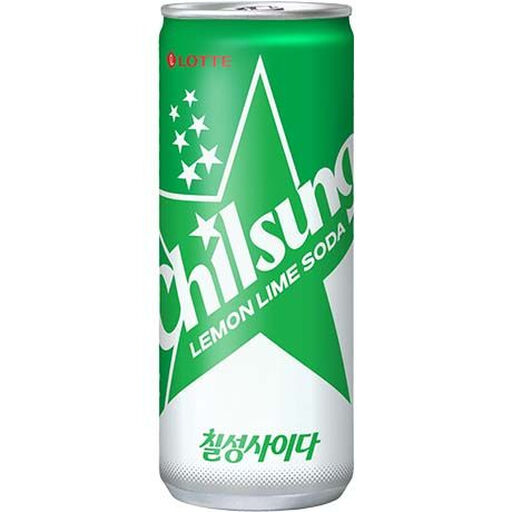
Why it suits this profile: A compact can with a familiar lemon and lime flavour is ideal for trying Asian soft drinks on a small scale first.
The 250 ml size helps to minimise waste if you do not like the flavour. The product information also states that it contains 10 grams of sugar per 100 ml.
250 ml; lemon and lime flavour; according to the product information, free from the 14 main EU allergens.
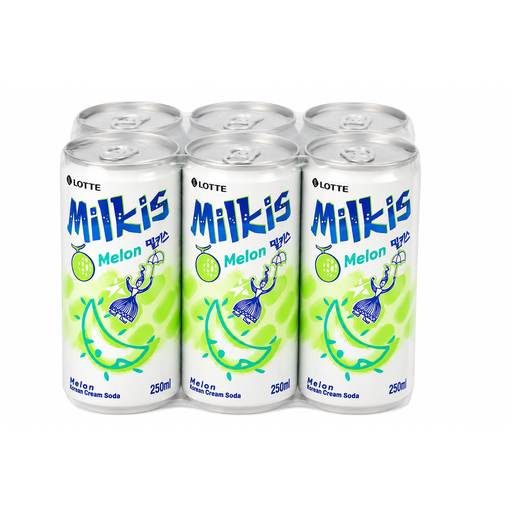
Why it suits this profile: This Korean drink is designed for fans of a creamy texture, melon flavour and carbonation in a multipack.
The packaging clearly states 6 × 250 ml. This means you can calculate the total quantity and price per litre in advance.
6 cans of 250 ml; milk powder and soya are explicitly listed; approximately 50 kcal and 12 grams of sugar per 100 ml.
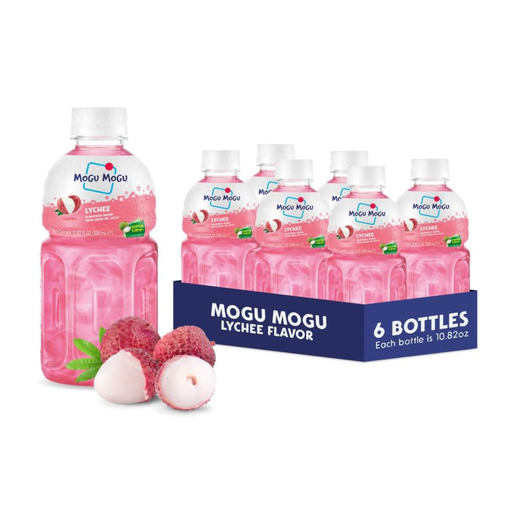
Why it suits this profile: Ideal for anyone specifically looking for a lychee drink with extra bite from nata de coco, plus several portions to enjoy at home.
The product name and packaging clearly indicate the presence of nata de coco and the quantity of 6 × 320 ml. However, check the current ingredients list before buying.
Lychee flavour; nata de coco; multipack with 6 bottles of 320 ml; to be served chilled according to the product information.
We have put together a complete, up-to-date list of products that fully meet these strict selection criteria and the applicable European safety regulations.
That varies from product to product. Bong Bong Grape lists grape pieces, while Haitai Bong Bong Peach contains peach pulp. Mogu Mogu uses nata de coco, a jelly-like coconut component. Check the ingredients list and only shake a bottle if the packaging says that it is suitable.
Store unopened drinks according to the label, usually in a cool, dry place away from direct sunlight. Once opened, many products should be refrigerated and consumed within a few days. The exact period and best-before date are shown on the packaging.
At a minimum, check contents per pack, sugar per 100 ml, fruit percentage, allergens, deposit and storage advice. Then compare the price per litre. This makes it easier to see whether you should choose an individual Korean soft drink, a tropical fruit drink such as FOCO or a multipack featuring, for example, Milkis or Mogu Mogu.
