
Vandaag of morgen in huis

Kwaliteit gegarandeerd

Welkomstaanbiedingen ontgrendelen: GRATIS bezorging | Tot 80% korting | Gratis 30 dagen JoyPlus-proefperiode
Download de app
Buying Asian soft drinks is easy, but choosing the right one requires a little more attention. Eye-catching packaging, exotic flavours and terms such as “fruity” or “natural” do not always tell you how much sugar, juice or sweetener a drink contains. A small can can also work out relatively expensive if you want to serve several portions.
The most common pitfalls:
Always compare nutritional values per 100 ml. This allows you to compare a small can fairly with a bottle or multipack. Also pay attention to the amount in each pack.
A few examples from the range:
“Sugar-free soft drink” and “no added sugar” are therefore different claims. A fruit drink labelled “no added sugar” may still contain natural sugars from the fruit. If you want to limit your sugar intake, it is also worth checking the total amount of carbohydrates and sugars.
A fruit name on the front tells you little about the actual fruit content. The ingredients list usually states the percentage of juice or purée.
These differences affect flavour, price and nutritional value. An Asian fruit drink with more juice is not automatically lower in sugar, but it does offer a different taste experience from a soft drink made mainly with water, sugar, flavourings and acids.
Always check the physical label before consuming the product. According to the product information, packaging and ingredients may differ from what is shown online. This is particularly relevant for imported Japanese soft drinks and Korean drinks.
Examples:
Store unopened drinks according to the packaging instructions, away from direct sunlight and at a suitable temperature. After opening, many products should be refrigerated and consumed within the stated period.
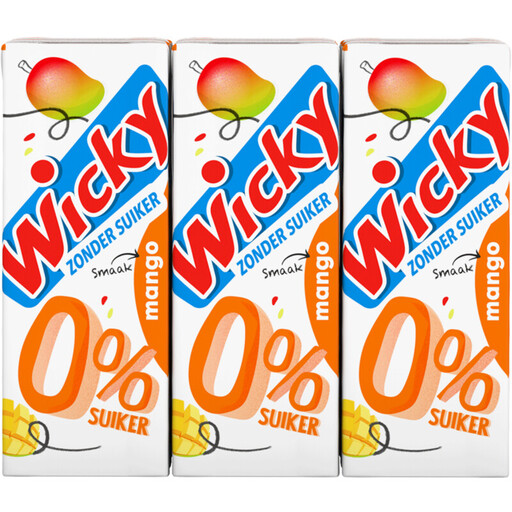
Why it suits this profile: The small packs are handy for families and lunch boxes, or for anyone who wants to try a sugar-free mango drink before buying a large multipack.
The nutritional values list less than 0.1 grams of sugar per 100 ml. At the same time, the ingredients list makes it clear that sweeteners are used.
6 x 200 ml, 1 kcal per 100 ml, with vitamin C and no listed allergens from the EU list.
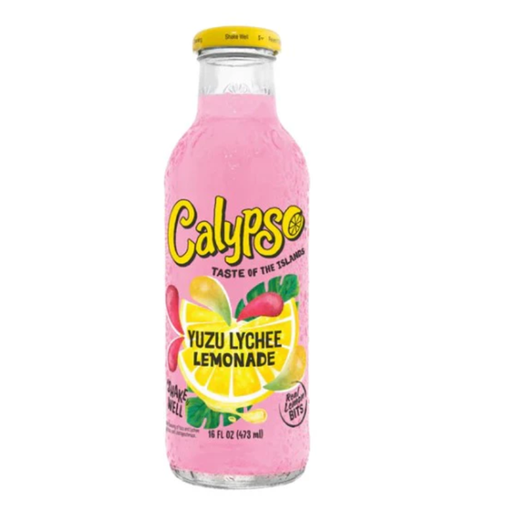
Why it suits this profile: For fans of a distinctive combination of citrus and floral lychee, with a larger format that is ideal for serving leisurely over ice.
The product information lists yuzu, lychee, a lemon base and lemon pulp separately. This gives you a clearer idea of the flavour profile you are buying.
473 ml, 46 kcal per 100 ml and a clear yuzu-lychee combination. Shake before use as instructed on the product.

Why it suits this profile: A box of 12 cans is ideal for households, bulk shoppers and anyone who wants to keep an alcohol-free coconut-flavoured alternative in stock.
The product description states that it contains 100% coconut water with no added sugar. Check the current label for the full nutritional information.
12 x 330 ml, with 2% coconut pieces according to the product information, and described as vegan.
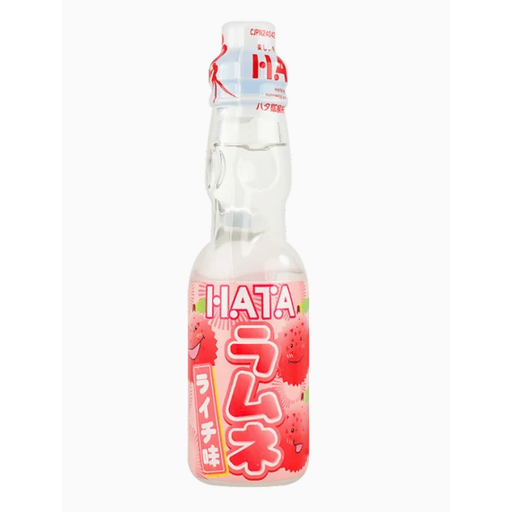
Why it suits this profile: The small Japanese bottle is ideal for snack time or an Asian meal, or for anyone who wants to try a familiar ramune-style drink with lychee flavour.
The 200 ml size keeps the portion under control. The ingredients explicitly list sugar, fructose-glucose syrup, lychee flavouring and colour E133.
200 ml, carbonated and with a sweet-and-sour lychee flavour according to the product description.
We have compiled a complete, up-to-date list of products that fully meet these strict selection criteria and the applicable European safety regulations.
First compare the size, price per litre and nutritional values per 100 ml. Then check the juice percentage, sweeteners, allergens and shelf life. With multipacks, it is sensible to make sure you can use the entire box before it is past its best.
Look for products clearly stating 0 grams of sugar or less than 0.1 grams per 100 ml. According to the product information, Genki Forest lists 0 grams of sugar. Wicky Mango lists less than 0.1 grams. Drinks labelled “no added sugar”, such as some Iam Superjuice varieties, may still contain natural fruit sugars.
That depends on the label. Unopened cans and bottles are often stored somewhere cool and away from direct sunlight. After opening, refrigeration is generally recommended, and you should consume the drink within the stated period. Serve ramune, lychee drinks, mango drinks and coconut water chilled if this is the recommended serving method according to the product information.
