
Vandaag of morgen in huis

Kwaliteit gegarandeerd

Welkomstaanbiedingen ontgrendelen: GRATIS bezorging | Tot 80% korting | Gratis 30 dagen JoyPlus-proefperiode
Download de app
Buying an Asian soft drink seems straightforward—until you have to choose between coconut water, fruit drinks, nata de coco or a carbonated beverage in a can. Product images and brand names do not always tell the full story. A tropical drink may consist mainly of water, sugar and flavouring, while a similar-looking package may contain fruit pulp or coconut water.
For households, Asian cuisine enthusiasts and party organisers, three common pitfalls are particularly important:
The order of the ingredients indicates which components are present in relatively higher amounts. For example, OKF Coconut Drink 500 ML contains 10% coconut pulp, described as nata de coco, and 5% coconut water. According to the product information, the drink contains 31 kcal and 7 grams of sugar per 100 ml.
According to the product description, Foco Roasted Coconut Juice - 520 ml is based on 80% roasted coconut water, supplemented with water, coconut meat and sugar. The nutritional information states 7.7 grams of sugar per 100 ml. Both products are classified as coconut drinks, but their composition and texture are clearly different.
For a less sweet option, you can look at the label of a product such as SUNLEE Coconut Water 100% 310ml × 24 Cans. According to the supplied product information, this coconut water contains no added sugar and has 2.8 grams of sugar per 100 ml. Always check the current packaging when buying, as labels may change.
The terms Asian fruit juice, fruit drink and soft drink are sometimes used interchangeably by online retailers. Therefore, look at:
Rubicon Passion Fruit (Can) 330ml is described as a carbonated drink containing 4% passion fruit juice from concentrate. The package contains 24 cans of 330 ml. If you are mainly looking for a fruity flavour with a gentle sparkle, this is a different type of drink from coconut water or tamarind drink.
Canned soft drinks are easy to transport and generally do not need to be refrigerated before opening. This makes cans practical for a lunch, picnic, party table or catering setting. A 500 ml bottle may be more suitable when you want to enjoy a single drink over a longer period.
Once opened, the usual advice is to refrigerate the drink and consume it within the period stated on the label. For OKF Coconut Drink, 3 to 4 days after opening is indicated. Always follow the instructions on the packaging of the specific product and check that the seal is undamaged before use.
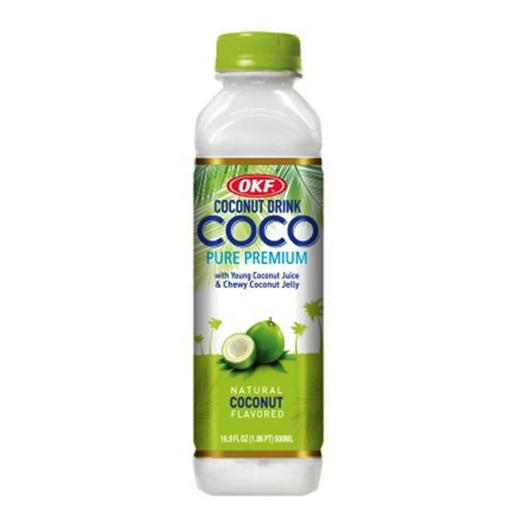
Why This Fits Their Persona: An approachable format for anyone trying an Asian soft drink or coconut drink for the first time without committing to a multipack.
The product information specifies both 10% nata de coco and 5% coconut water. You therefore know in advance that this is not a smooth coconut water without pieces.
500 ml volume; 31 kcal and 7 grams of sugar per 100 ml according to the supplied nutritional information; no listed allergens.
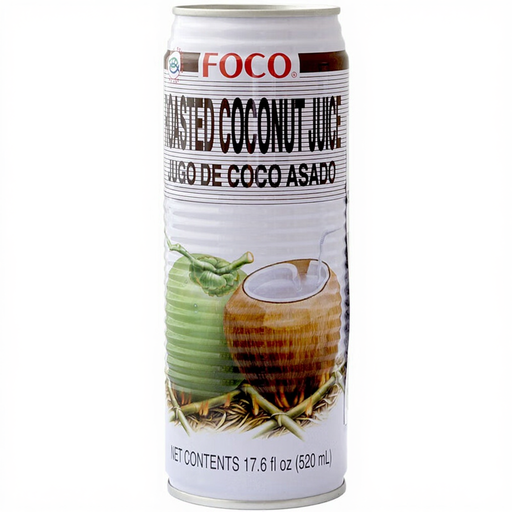
Why This Fits Their Persona: Ideal for consumers seeking a Thai drink with a coconut base and preferring a roasted flavour over a neutral thirst quencher.
The description clearly states that it contains 80% roasted coconut water. This sets it apart from drinks based primarily on coconut flavouring and sugar.
520 ml package; contains coconut meat; 7.7 grams of sugar per 100 ml according to the product information.
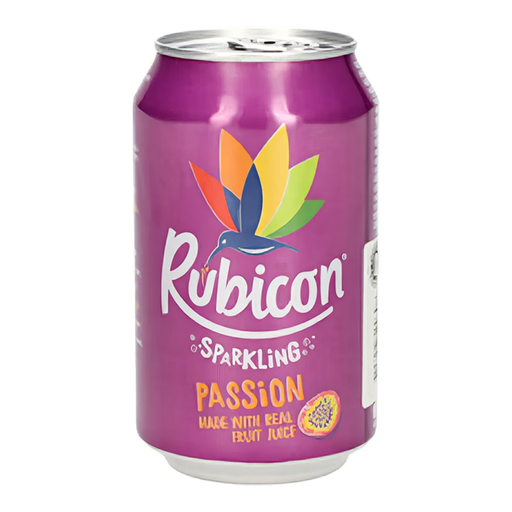
Why This Fits Their Persona: A multipack of 24 cans is practical for a birthday, international meal, office stockroom or small catering business.
The packaging, volume and composition are clearly specified: 24 × 330 ml, carbonated and containing 4% passion fruit juice from concentrate.
Convenient canned format; 20 kcal and 4.5 grams of sugar per 100 ml according to the label; suitable for serving chilled.
If you are looking for a sweet-and-sour flavour, consider T.A.S. Tamarind Drink - 310 ml. According to the product data, this tamarind drink contains 30% tamarind pulp and 15.9 grams of sugar per 100 ml. This is a distinctly different flavour profile from a mango drink.
For a Korean drink, Haitai Bong Bong Peach 340ml and CANTABILE Strawberry Ade 230ml are interesting points of comparison. According to the description, Haitai contains 5% peach pulp and 19 grams of sugar per 100 ml. Cantabile states 6.54 kcal per 100 ml and uses sweeteners, among other ingredients. With both products, pay attention to the difference between fruit pulp, concentrate, flavourings and sweeteners.
A nata de coco drink available in a substantial multipack is KATO Blackcurrant Juice with Nata de Coco 320ml × 24. The product information specifies 15% nata de coco. For a tropical flavour combination, there is also KATO Mango Juice with Nata de Coco 320ml × 24, containing nata de coco and mango concentrate. With both products, always check the current ingredients list and nutrition table on the packaging.
Browse a current selection of canned juices and compare flavours, formats, pack sizes and product information before placing your order.
Coconut water is the liquid found inside a coconut. A coconut drink may also contain water, sugar, coconut flavouring, coconut meat or nata de coco. Therefore, check the percentage of coconut water and the ingredients list. A product containing pulp also has a different texture from smooth coconut water.
Unopened drinks can generally be stored according to the instructions on the label, usually in a cool, dry place away from direct sunlight. After opening, many products should be refrigerated and consumed within the stated period. Shake drinks containing pulp gently if the packaging advises this.
A multipack can be practical if you regularly serve Asian fruit drinks, Chinese soft drinks or Thai beverages. However, the price per can depends on the current offer, shipping costs and pack size. Compare both the total price and the volume per can before ordering.
