
Vandaag of morgen in huis

Kwaliteit gegarandeerd

Welkomstaanbiedingen ontgrendelen: GRATIS bezorging | Tot 80% korting | Gratis 30 dagen JoyPlus-proefperiode
Download de app
When you buy Asian snacks online, you can quickly come across eye-catching packaging, unfamiliar ingredients and major differences in pack sizes. However, colourful packaging says little about taste, origin or whether a product is suitable for children. Terms such as “authentic”, “natural” or “premium” are only useful when supported by the product information.
Use this practical checklist to compare Korean snacks, Japanese snacks, Chinese snacks and other international treats based on the factors that really matter.
A small bag may look suitable for a party, while actually containing just 40 or 80 grams. Conversely, a 500-gram bucket is not always convenient when you are looking for a snack to take on the go. Always check the net weight, the number of servings and whether individual packs are included.
Dried fruit often contains naturally occurring sugar, but it may also contain added sugar or preservatives. For example, the label on dried mango may list more than just mango: the product information may mention mango, sugar and sulphites. Always check the full ingredients list and nutritional values per 100 grams.
International sweets and biscuits may contain ingredients you would not immediately expect, such as milk powder, soya, gelatine, sesame or sulphites. Some products also contain sweeteners or colourings. For example, the Be&Cheery King Plum Bucket is listed as containing sweeteners, sulphites and Allura Red. If you have an allergy, always check the current label on the packaging, as online product information can change.
If you are looking for a specific taste experience, do not just check the brand name. Look at the country of origin and the product category too. Orion Turtle Chips is described in the product information as a Korean snack. Nestlé KitKat Strawberry Short Cake is produced by Nestlé Japan Ltd. and consists of nine individually wrapped portions.
For Chinese snacks, cereal bars, dried plums and soft cakes may be worth exploring. Japanese snacks often focus on small portions, biscuits or unusual flavour combinations. Always check whether the product actually comes from the country mentioned or simply takes inspiration from its style.
Pay particular attention to the first ingredients in the list. These are generally shown in descending order by quantity. Also check for:
A claim such as “free from the fourteen major allergens” only applies according to the published product information. If in doubt, check the packaging and follow the manufacturer’s instructions.
Compare products on the same basis: usually per 100 grams. Check energy, fat, saturates, carbohydrates, sugars and salt. This makes it easier to compare biscuits, sweets and dried fruit.
Individual packs can make products easier to portion and store, but they say nothing about nutritional value. For example, Look-O-Look Top Mix contains ten small individual packs. Bibigo Crispy Seaweed Snack comes as three 5-gram bags. This can be practical for lunch, eating on the go or a sharing platter, while a larger pack may be better suited to regular sharing.
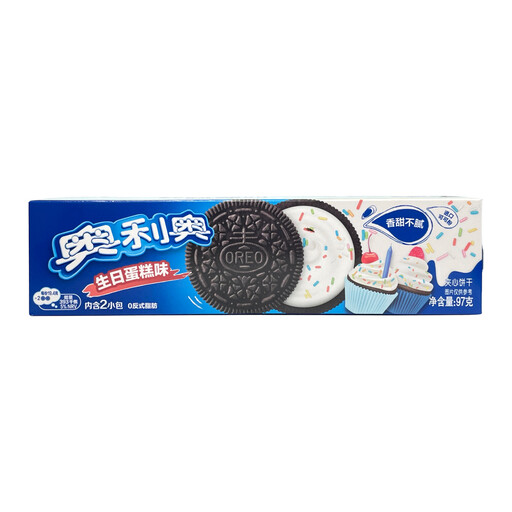
Why it suits this profile: A compact pack with a familiar biscuit texture and an unusual birthday cake flavour. Handy for trying a flavour before committing to a larger pack.
The 97-gram weight is clearly stated, so the pack does not appear to contain more than it actually does.
Ready to eat; according to the product information, contains wheat, milk and soya. Origin: China.
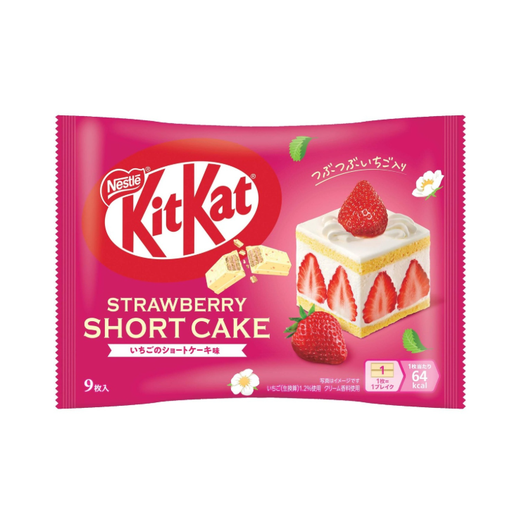
Why it suits this profile: The box contains nine portions with wafers, white chocolate and strawberry elements. This makes it easy to portion out in a controlled way.
The individual portions make the weight and distribution more transparent than a single large bag.
Japanese origin according to the product information; contains milk, wheat and soya.
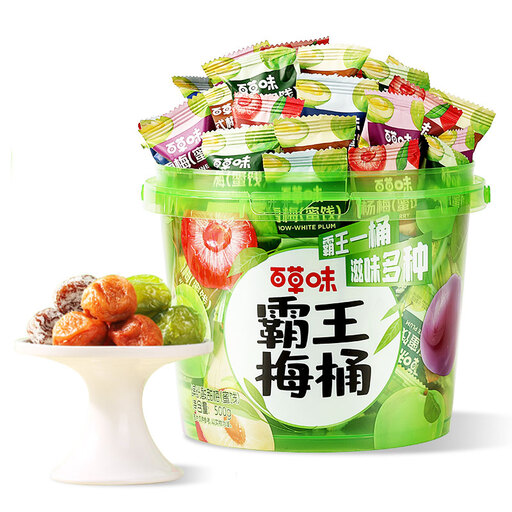
Why it suits this profile: According to the product information, the spacious bucket contains 70 individual packs with five varieties of preserved plums. Ideal for sharing or keeping in stock.
The individual packs reduce exposure to air and make sharing easier than with loose snacks.
500 grams and five flavour varieties; note the mention of sweeteners, Allura Red colouring and sulphites.
We have put together a complete, up-to-date list of products that fully meet these strict selection criteria and the applicable European safety regulations.
Store biscuits, sweets and dried fruit according to the instructions on the packaging. Usually, this means keeping them in a cool, dry place away from direct sunlight. Seal an opened bag securely to help preserve its texture and flavour. Before buying, also check the best-before information, especially for larger packs.
You can buy snacks online from a range where the origin, weight, ingredients and allergens are listed for each product. Use filters or categories to compare Korean snacks, Japanese snacks, Chinese snacks, seaweed snacks or international sweets, for example.
That depends on the product. Check the allergens, colourings, sweeteners, texture and recommended use. Some sweets are small or soft, but that does not automatically mean they are suitable for every age group. For products with warnings, such as those containing Allura Red or sulphites, follow the information on the packaging.
In general, store opened products in a cool, dry place and in a securely sealed pack, unless the label states otherwise. Protect snacks from moisture and heat. Individual packs are practical when you want to store a product for longer or take it with you in portions.
