
Vandaag of morgen in huis

Kwaliteit gegarandeerd

Welkomstaanbiedingen ontgrendelen: GRATIS bezorging | Tot 80% korting | Gratis 30 dagen JoyPlus-proefperiode
Download de app
Buying Asian snacks may seem straightforward, but attractive packaging does not always tell the whole story. When searching online for Asian snacks, you will find Japanese snacks and Chinese snacks alongside plenty of Korean snacks, confectionery and frozen products. The differences often come down to ingredients, portion size, preparation method and storage temperature.
As a Joybuy Product Recommendation Officer, I therefore focus mainly on verifiable product information. This helps you avoid a purchase that does not suit your taste, cupboard space or dietary requirements.
“Fruit”, “mango” or “lychee” on the packaging does not automatically mean that the product mainly consists of fruit. Check the percentage of fruit, juice or purée in the ingredients list. In Asian sweets and gummies, the base often consists of sugar, glucose syrup, gelling agents and flavourings.
Also look out for possible differences between the title and the description. Red Band Fruit Bits Blueberry Flavor is described in the product information as having a blueberry flavour, while the description also mentions a liquid raspberry filling. Always check the label on the packaging if the precise flavour is important to you.
For mochi, dorayaki and filled biscuits, these words mainly describe the eating experience or product style. They do not tell you how much filling the product contains or how sweet it is. Look at:
For example, according to the product information, Yuki & Love Mini Dorayaki Red Bean contains 27.3% red bean paste. This is more concrete information than simply saying “richly filled”.
Frozen snacks such as gyoza, rice balls and hotpot meatballs are convenient, but they are not ready to eat. Check that you have enough freezer space and read the preparation instructions before buying. Products such as Khy Chicken Gyoza must be stored frozen and must not be refrozen after thawing.
Also pay attention to the temperature on delivery. A product sold as frozen should, according to the product information, remain frozen until use. Plan your order for a time when you can put it away immediately.
In the Netherlands and the European Union, allergens must be clearly stated. For composite products, check not only the main packaging but also the complete ingredients list.
Common points to look out for in Asian snacks include:
“May contain traces of” is different from “contains”, but it remains important for people with an allergy to check the current label. Product information can change, and the packaging is the definitive source.
Compare products on the same basis: per 100 grams. This makes it easier to see the difference between, for example, a 60-gram bag of gummies and a larger pack of biscuits. Pay particular attention to sugar, fat, saturated fat and salt, depending on what you are looking to buy.
A snack with less sugar per 100 grams is not automatically suitable for everyone; also consider the portion size and ingredients. Franzzi Coconut Latte Flavored Filled Cookies, for example, state 20.3 grams of sugar per 100 grams and 554 kcal. The product information also mentions a recipe with 26% less sugar than the regular range. This is a brand comparison rather than a general nutritional claim, so check the complete nutritional information table.
Distinguish between ready-to-eat snacks and products that must be heated thoroughly.
With frozen products that need cooking, floating is a useful indication, but you should also follow the stated cooking time and make sure the product is cooked through.
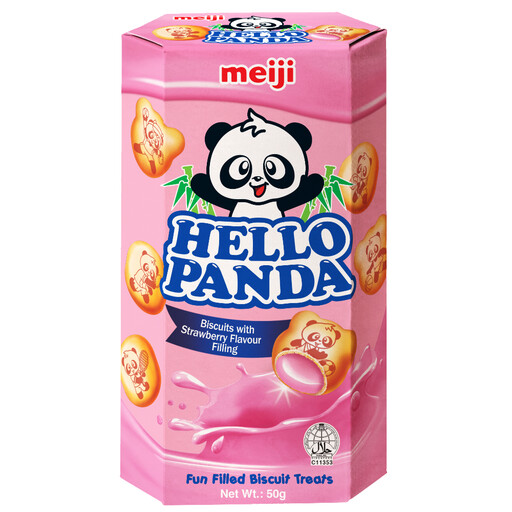
Why it suits this profile: A small pack for trying a Japanese snack first, without immediately buying a large supply.
The 50 g pack helps limit waste if you do not like the flavour or texture. The product information lists wheat, milk and soya as allergens.
Crunchy biscuits with a strawberry-flavoured filling, designed to be eaten straight away and stored in a cool, dry place.
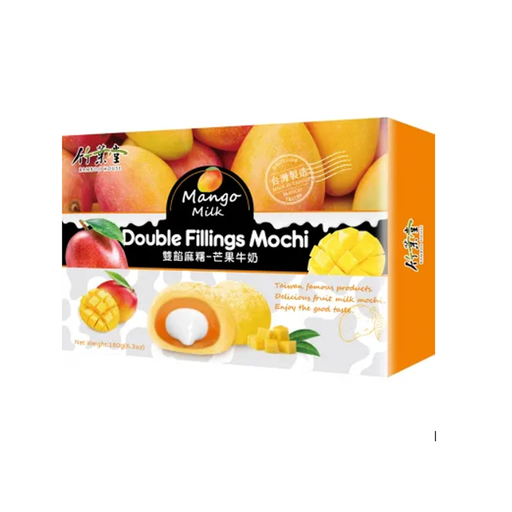
Why it suits this profile: For shoppers who care more about texture, multiple layers and individually wrapped sweet treats than the lowest possible price.
The product description specifies a mango and milky double filling and lists egg and milk as allergens. This makes the composition clearer than a general flavour claim.
180 g, individually wrapped, with a soft glutinous rice texture and double filling according to the product information.
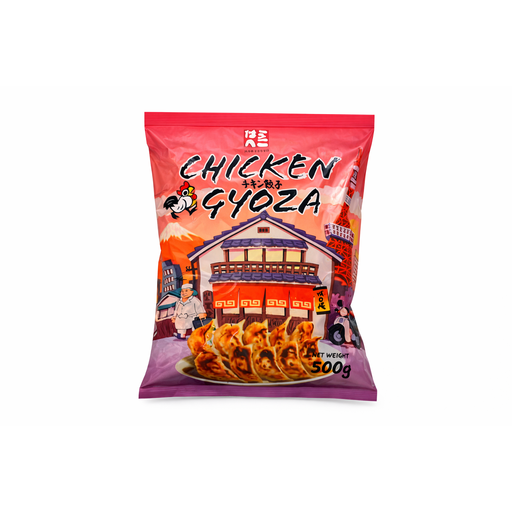
Why it suits this profile: A practical choice for anyone who regularly wants to prepare a meal component or savoury snack from the freezer.
The preparation methods are clearly described: fry, deep-fry or steam without thawing first. The 500 g pack allows you to plan several portions.
Chicken and vegetable filling, three preparation options and a stated nutritional value of 147 kcal per 100 g.
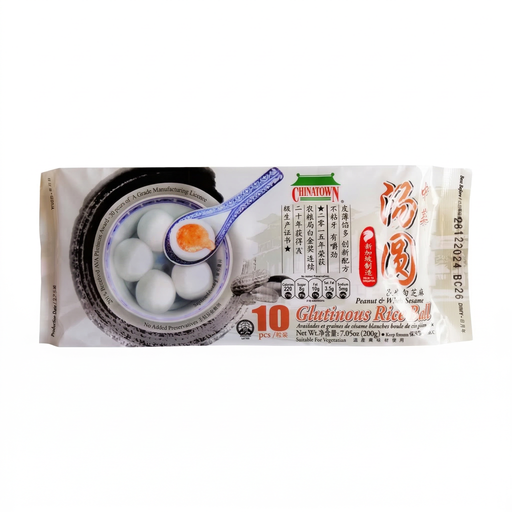
Why it suits this profile: For anyone who wants to prepare a warm dessert at home and appreciates the soft, springy texture of traditional rice balls.
The product information clearly states that this is a raw frozen product and provides specific cooking instructions. Peanuts, sesame and wheat are listed as allergens.
200 g, with a sweet peanut and sesame filling and simple cooking until the rice balls float to the surface.
We have put together a complete, up-to-date list of products that fully meet these strict selection criteria and the applicable European safety regulations.
Choose small, individually wrapped products that can be stored outside the fridge, such as dorayaki, mochi, filled biscuits or gummies. Check whether the packaging can be resealed and store snacks in a cool, dry place. Hot or frozen products such as gyoza and rice balls are less suitable for taking on the go, unless you have access to a freezer and cooking facilities.
Store mochi and filled biscuits according to the label, usually in a cool, dry place away from direct sunlight. Seal an opened bag securely to help prevent the contents from drying out or absorbing moisture. For Bamboo House Double Filling Mango Mochi, it is recommended that you seal the packaging airtight after opening so that the rice layer remains soft.
No. The range includes sweet Asian treats and filled biscuits, as well as savoury seaweed snacks, gyoza and hotpot meatballs. For savoury products, pay particular attention to salt, allergens and preparation time. This allows you to choose exactly what you need, whether it is a snack to enjoy with tea, something to share or part of a meal.
