
Vandaag of morgen in huis

Kwaliteit gegarandeerd

Welkomstaanbiedingen ontgrendelen: GRATIS bezorging | Tot 80% korting | Gratis 30 dagen JoyPlus-proefperiode
Download de app
Buying Asian snacks in the Netherlands is easy, but the range can quickly become overwhelming. Looking for Korean snacks for a film night, Japanese snacks to share or Asian sweets for when you’re out and about? Then flavour isn’t the only thing to consider. Packaging, ingredients, serving size, allergens and shelf life all affect whether a product is really right for your needs.
A 200-gram bag may look like good value, but check how many portions it contains and how quickly you need to use the product after opening. Individually wrapped gummies or jelly snacks are handy for sharing, while a large bag of mochi is best suited to situations where several people will be eating it.
So compare the price per 100 grams, not just the total price. Also pay attention to the difference between net weight and volume. A 150 ml pack of konjac jelly does not necessarily contain 150 grams of product.
Some products contain fruit juice concentrate alongside flavourings and colourings. For example, Cokoc Mega Trophy Gummies Mango lists 3.5% concentrated mango juice. That does not make the snack any less suitable, but it does give you a more realistic idea of what you are buying.
Fruit percentages can also be limited in jelly snacks. Check the ingredients list if you are expecting a pronounced fruit flavour. According to the manufacturer’s own product information, colourings such as E102, E110 or E129 may have a negative effect on activity and attention in children. So always check the label, especially when children will be eating too.
Mochi, gummies and jelly snacks have a chewy or smooth texture. That is precisely what makes them appealing, but young children may find this type of confectionery difficult to eat. Only give these products in accordance with the instructions on the packaging, and supervise children when recommended.
Check the following before ordering:
A product marked “halal” on the product page may be relevant, but also check the current packaging and certification details when it arrives. Product formulations may vary by market or batch.
Compare snacks on the same basis. For example, according to the product information, Cokoc Mango Gummies contain 340 kcal and 49 grams of sugar per 100 grams. Jelly B Konjac Jelly Mango lists 3 kcal per 100 ml, but does contain sweeteners. A low energy value therefore does not automatically mean that the product’s ingredients suit everyone’s preferences.
Chocolate and biscuits generally have a higher energy value. Lotte Pepero Almond & Chocolate lists 530 kcal per 100 grams, with wheat, milk, soya and almonds as relevant allergens. The small 32-gram pack does, however, make it easy to keep track of the portion.
Pay attention to the difference between a best-before date and advice on using a product after opening. Store most Asian snacks in a cool, dry place away from direct sunlight. Mochi and jelly products may have specific instructions once opened. Hethstia Konjac Jelly Apple should be refrigerated after opening and consumed within two days.
Check the following when your order arrives:

Why it suits this profile: A small pack is an easy way to try Asian sweets without immediately buying a large supply.
The pack contains 60 grams, and the product information clearly lists the nutritional values and ingredients. This makes it easier to compare the price and composition.
Mixed fruit flavours, a playful peelable shape and, according to the product information, none of the 14 major EU allergens.
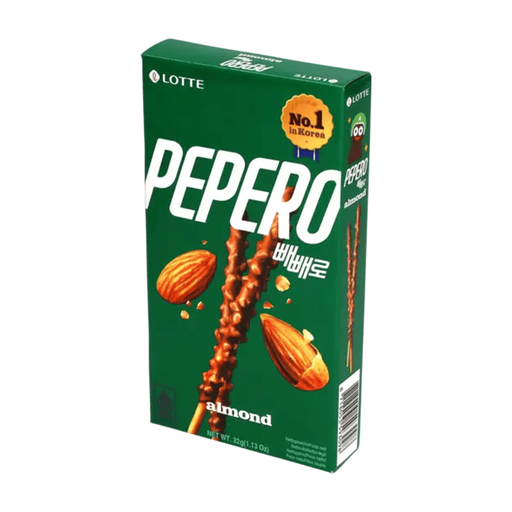
Why it suits this profile: If you value a familiar snack texture, this combines crunchy biscuit, chocolate and pieces of almond.
The 32-gram portion means you do not have to open a large quantity straight away. The ingredients list includes wheat, milk, soya and almonds.
32 grams per pack, crunchy biscuit and almond as clearly listed ingredients. According to the product description, this product is halal-certified.
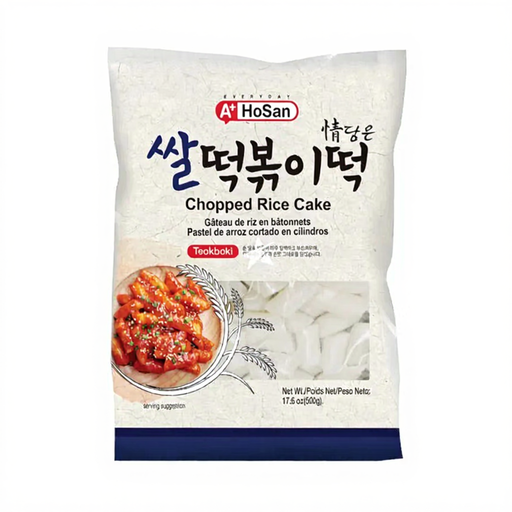
Why it suits this profile: This is not a ready-to-eat sweet treat, but a base for a Korean meal or snack featuring teokbokki.
The packaging states that it contains 500 grams, gives preparation instructions and lists rice as the main ingredient. This tells you in advance that you will need to add your own sauce, vegetables and any fish cake.
Contains 98.9% rice, contains none of the 14 major EU allergens according to the product information and is suitable for several recipes.
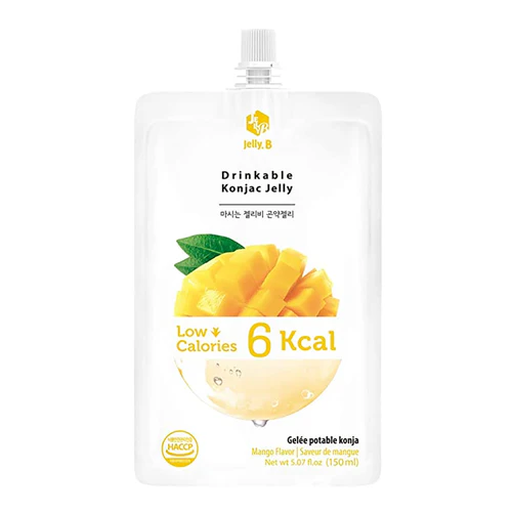
Why it suits this profile: The squeezable pouch is practical for enjoying on the go, at work or during a day out.
The quantity and format are clear: 150 ml, ready to eat straight from the pouch. According to the product information, it should be refrigerated after opening.
Mango flavour, 3 kcal per 100 ml according to the product information, halal-certified and listed as gluten-free.
We have put together a complete, up-to-date list of products that fully meet these strict selection criteria and the applicable European safety regulations.
Popular Korean snacks include Pepero, Choco Pie, gummies, rice cake for teokbokki and sweets with yoghurt soda, cinnamon or fruit flavours. With imported products, always check the English or European product information, allergens and best-before date.
Mochi usually consists of a soft, sticky outer layer made from glutinous rice or starch, often with a sweet filling. Gummies are generally firmer and more elastic. Jelly snacks often have a smooth, softer texture and are sometimes sold in a pouch or as individually wrapped sticks. The exact texture depends on thickening agents such as konjac, carrageenan or gelatine.
Store dry snacks such as Pepero, hard sweets and Choco Pie in a cool, dry place away from direct sunlight. Seal opened packs securely. Konjac jelly and some mochi products may have different storage instructions, so follow the packaging. Do not use a product if the packaging is damaged or if its smell, colour or texture is noticeably different.
