
Vandaag of morgen in huis

Kwaliteit gegarandeerd

Welkomstaanbiedingen ontgrendelen: GRATIS bezorging | Tot 80% korting | Gratis 30 dagen JoyPlus-proefperiode
Download de app
As a Product Recommendation Officer at Joybuy, I see a lot of products come across my desk. The world of Asian snacks with red beans, in particular, offers a vast and diverse selection. From Japanese cakes to Chinese desserts, the choice can be overwhelming. But how can you be sure that beautiful packaging promises a delicious treat inside? This guide will help you avoid the common pitfalls and find the perfect snack for your palate.
Before you fill your shopping cart, it's wise to know what often goes wrong. Many disappointments can be avoided by paying attention to the following points.
To avoid a bad purchase, it's helpful to check a few specifications. These details provide a much better picture of what to expect than the marketing on the front of the box.
The filling is the heart of the snack. It's typically made from adzuki bean paste, known in Japan as anko. The quality and flavour are determined by a few factors:
The texture of the snack—whether it's a daifuku, taiyaki, or sesame ball—depends entirely on the dough used.
Always check the recommended preparation method on the packaging. This prevents surprises in the kitchen.
To get you started, we've highlighted a few products that suit different preferences and situations.
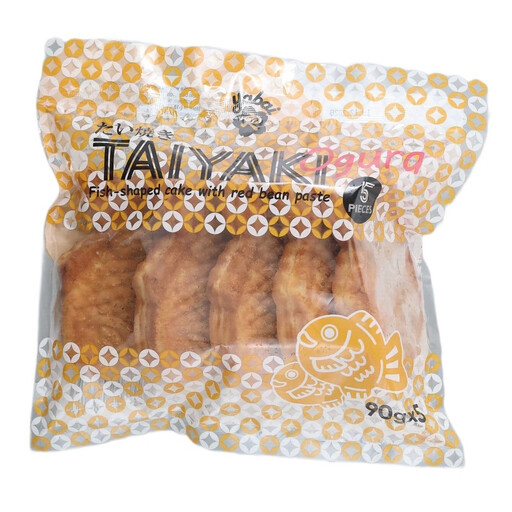
Why This Fits Their Persona: Perfect for those familiar with Japanese pop culture who want to try an iconic snack. Taiyaki is recognisable, fun to look at, and a safe, sweet choice to start with.
Preparation is simple (oven or air fryer) and requires no special equipment. The adzuki bean paste filling is classically sweet, with no unexpected flavours.
Crispy on the outside and soft on the inside after heating. The filling is velvety smooth, and the portions are individually wrapped.
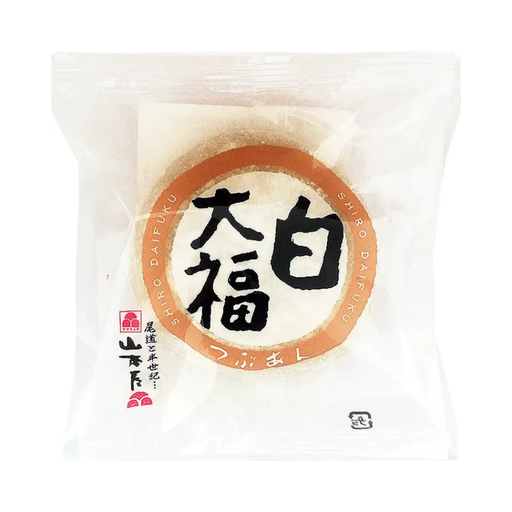
Why This Fits Their Persona: For those specifically looking for the soft, elastic texture of Japanese red bean mochi. This is a classic daifuku, an authentic Japanese delicacy.
This product only needs to be thawed; no complex preparation is required. The description highlights the soft mochi and mild sweetness, providing a reliable indication of the flavour.
Made with glutinous rice flour for an authentic "chewy" texture. The filling retains the flavour of the adzuki beans without being overly sweet.
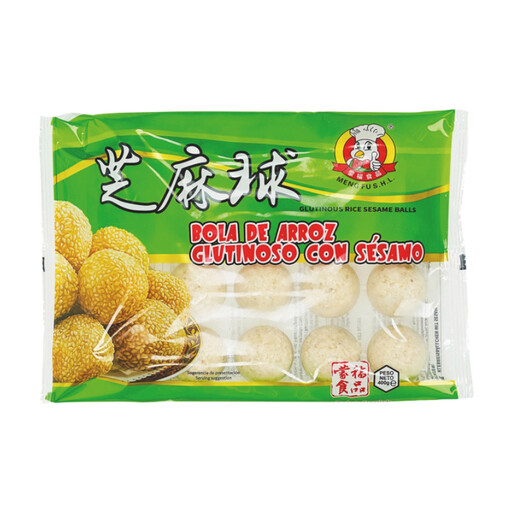
Why This Fits Their Persona: For those who want to create an authentic dim sum experience at home. Sesame balls (Jian Dui) are an essential part of Cantonese cuisine and a popular Chinese dessert.
The product information is clear about the preparation method (deep-frying or baking), so you know what's needed for a crispy result. The flavour combination is a well-known classic.
The outside becomes wonderfully crispy and nutty from the sesame seeds, while the inside remains soft and chewy. The sweet red bean filling provides a perfect balance.
This is just a small selection from our range. We have compiled a complete, up-to-date list of products that meet our selection criteria.
1. What is the best way to store frozen Asian snacks? Always store the snacks in the freezer at -18°C or colder, as indicated on the packaging. Once thawed, it is not recommended to refreeze them. This can negatively affect the texture and flavour. It's best to seal opened packages tightly to prevent freezer burn.
2. What is the difference between anko and adzuki bean paste? In practice, there is no difference; they are two names for the same product. Adzuki beans are the small, red beans that form the basis of the paste. Anko is the Japanese name for this sweet paste. You may encounter it in a smooth version (koshian) or a coarser version with bean pieces (tsubuan).
3. Can I prepare these snacks in an air fryer? For many snacks, that's an excellent option. Products that are normally deep-fried or baked, such as taiyaki, sesame balls, or pastries, often become deliciously crispy in the air fryer with less oil. Always check the packaging for specific instructions, but experimenting can yield surprisingly good results. Start with a lower temperature (around 180°C) and keep a close eye on the snacks.
