
Vandaag of morgen in huis

Kwaliteit gegarandeerd

Welkomstaanbiedingen ontgrendelen: GRATIS bezorging | Tot 80% korting | Gratis 30 dagen JoyPlus-proefperiode
Download de app
When you buy Asian snacks and vegetables online, you’ll quickly come across a huge selection: from Chinese snacks and spicy lotus root slices to dried mango, frozen vegetables and ready-made side dishes. However, eye-catching packaging tells you little about what you’ll actually receive. The right choice mainly depends on the ingredients, storage method, pack size and when you intend to use the product.
A 70 or 75-gram bag may look attractively priced, but the price per 100 grams gives you a fairer comparison. So don’t just compare the total price. Also look at:
For example, a multipack of dried mango may be more convenient for several snacking occasions, while a larger bag of frozen peas is better suited to regular cooking.
Dried fruit naturally contains sugars, but some products also contain added sugar, syrup or flavourings. With dried mango, it’s therefore a good idea to check the ingredients list. For example, Jia Jian Cheng Chu Dried Mango Thai Flavour lists mango, sugar, salt, herbs, food acids and preservatives. It also explicitly states that the product contains sulphites.
The same applies to Asian vegetable snacks. Lotus root slices and crispy vegetable snacks may contain oil, salt, sugar, flavour enhancers and preservatives. This makes them suitable as ready-to-eat snacks, but they’re not automatically comparable to fresh vegetables.
There are three different storage types:
An opened bag of dried snacks stays crispier when it is properly resealed. Frozen products must remain frozen until use and, according to the product information, must not be refrozen once thawed.
Read the full ingredients list, particularly if you’re sensitive to certain substances. Sulphites are found in several dried fruit products and some lotus root snacks. The label may also state that a product contains a sweetener. Shimoxiaozhen Lotus Root Slices also lists the colour additive E110, together with a warning about possible effects on activity and attention in children.
For olives, sauces and vegetable products, don’t just look at the flavour description. Also check the salt, acidity regulators and preservatives. If the product information online differs from the label, the information on the packaging takes precedence.
Nutritional information makes products easier to compare. Pay particular attention to:
According to the product information, Gan Yuan Garlic Flavor Green Peas contains 22 grams of fat and 1.8 grams of salt per 100 grams. G'woon Garden Peas Extra Fine, on the other hand, consists of garden peas and contains 0.01 grams of salt per 100 grams according to the stated information. They are therefore two different types of product, even though both contain peas.
Check whether a product is ready to eat. According to the product descriptions, lotus root slices, dried mango and candied hawthorn are ready to eat. Baby Cabbage Hearts, on the other hand, must be thoroughly cooked before consumption.
For everyday meals, frozen vegetables, bamboo shoots, taro and olives are practical choices. Sliced green olives can be added straight to pizza, mixed into a salad or used in tapas. Taro is a frozen product and requires suitable preparation according to the packaging. This helps you avoid buying a snack when what you actually need is a cooking ingredient.
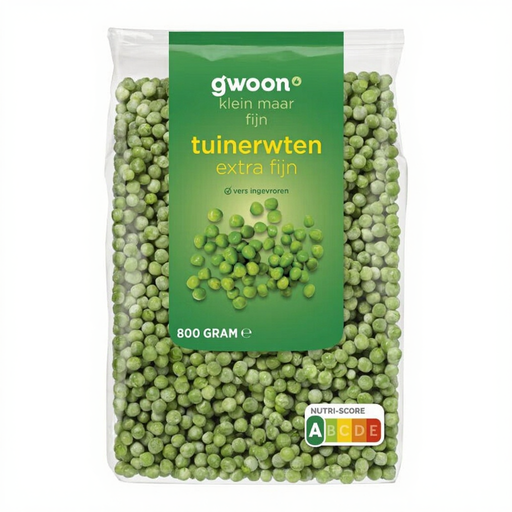
Why it suits this profile: A large pack with one clearly stated main ingredient for soups, stir-fries, pasta and side dishes.
It isn’t a snack with a hidden flavour mix: according to the product information, it consists of garden peas. Keep it frozen and use only the amount you need.
800 grams; frozen product; according to the stated information, free from the 14 main EU allergens.
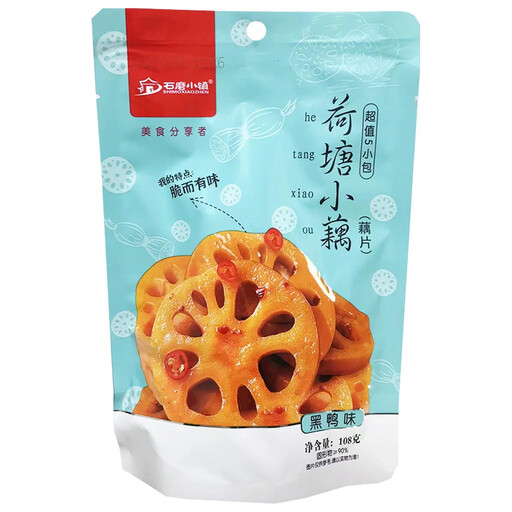
Why it suits this profile: For fans of a distinctive Chinese snack with Sichuan pepper, chilli and a ready-to-eat portion.
The ingredients list states at least 80% lotus root and a 108-gram portion. However, do check the warning about the E110 colour additive and the current packaging.
Individually packaged; 1% Sichuan pepper according to the product information; ready to eat.
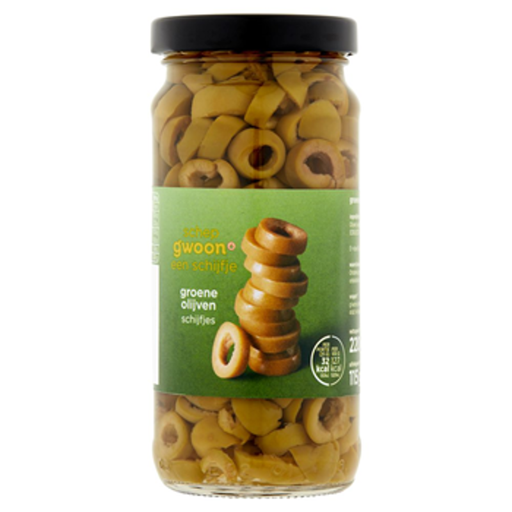
Why it suits this profile: Handy for home cooks who regularly make pizza, salads, pasta or tapas and no longer want to slice olives themselves.
According to the product description, the slices are pitted and approximately 3 mm thick. Please note: the listing mentions both 220 and 220 grams, so check the label when your order arrives.
Pre-sliced; pitted; resealable packaging; suitable for immediate use.
For a sweet snack, you could consider dried mango, candied hawthorn or a mix of dried purple sweet potato, banana, taro, apple, peas and carrot. With these products, bear sugar, oil and portion size in mind.
If you’re mainly looking for Asian ingredients, consider bamboo shoots with passion fruit sauce, taro, Chinese cabbage hearts or frozen fruit. According to the product information, the bamboo shoots are ready to eat and work well with noodles, rice or congee. Baby Cabbage Hearts can be stored at room temperature, but must be heated thoroughly first.
Baby food requires a separate check. According to the product information, Olvarit Fruit Snack is suitable from 6 months. When buying baby food, always follow the age guidance, storage instructions and directions on the packaging. Do not use the product information on the website as a substitute for the label.
We’ve put together a complete, up-to-date list of products that fully meet these strict selection criteria and the applicable European safety regulations.
Dried mango, dried hawthorn, roasted peas and many lotus root slices are ready to eat according to their product descriptions. Always check that the packaging says “ready to eat” or includes similar instructions for use.
Store frozen vegetables such as peas and fruit mixes at the temperature stated on the packaging. Only thaw them when you’re ready to use them. Once thawed, they must be kept refrigerated and, according to the product information, must not be refrozen.
This varies from product to product. Check the age recommendations, level of spiciness, salt, sweeteners, colour additives and allergens. For snacks containing sulphites or E110, pay particular attention to the warnings on the packaging. Baby food has separate age and storage guidance.
