
Vandaag of morgen in huis

Kwaliteit gegarandeerd

Welkomstaanbiedingen ontgrendelen: GRATIS bezorging | Tot 80% korting | Gratis 30 dagen JoyPlus-proefperiode
Download de app
Asian snacks are becoming easier to order online in the UK. Think frozen dim sum, bao buns, rice crackers, red bean buns and savoury Asian snacks for breakfast, tea time or a party. The range is vast, but product packaging and preparation methods vary considerably.
If you rely solely on an appealing photo or the word "authentic", you could end up with a product that doesn't suit your kitchen, store cupboard or taste preferences. Below are practical points to check, along with some popular choices from the range.
Not every steamed bun is ready to eat straight away. Some bao buns are pre-cooked and only need steaming, while others contain raw dough or a raw filling. Always check the cooking instructions.
For example, the FRESH ASIA Meat Buns Juicy Pork Buns need to be thoroughly steamed. The product information states that you should not eat them raw and that the centre must be piping hot. Similarly, the Synear Brown Sugar Shredded Bun contains raw dough according to the packaging and needs to be steamed for around 12 to 15 minutes.
A 2.5 kg pack might seem good value for a party, but it requires enough space and a proper way to store the product once opened. For frozen products, a freezer set to -18 °C or colder is usually required. Once thawed, many products should not be refrozen.
For a small household, packs of 160 to 450 grams are often more manageable. Large packs, such as Youchen Meat Floss Buns Original Flavour 2.5 kg, are most practical for gatherings, office lunches or households that regularly serve Asian snacks.
Chinese snacks and dim sum often contain wheat, gluten, soya, sesame, egg, milk, shellfish or nuts. Don't just look at the product name. The allergen list and ingredients on the actual packaging are what matter.
For instance, the KUNGFU Juicy Bao Pork & Prawn contains, according to the product information, wheat, soya, shellfish, sesame and milk. The SAN QUAN Custard Bun contains wheat, egg, soya and milk. If you have an allergy or intolerance, it's wise to check the packaging again on arrival, as recipes can change.
For a quick snack, products with a simple preparation method are handy:
Also consider the equipment you have available. A steamer basket is sufficient for most dim sum, whereas sesame balls or taro buns may need to be baked or fried.
Compare not just the weight, but also the composition. The Freshasia Taro Bun 390g contains, according to the product specification, 15% taro. For the Bakery Village Red Bean Pineapple Bread, the proportion of red bean filling is at least 37%, according to the product information.
The nutritional information helps you compare products. For example, Want Want Senbei contains 493 kcal and 1.88 g of salt per 100 g. BESTORE Brown Sugar Crispy Fried Dough Twist contains 454 kcal per 100 g. This makes these snacks suitable as a treat or part of a snack table, but portion size still matters.
Dry products such as rice crackers, meat floss pastries and date cakes are best stored in a cool, dry place. Seal the packaging tightly to prevent moisture and loss of quality. Frozen dim sum should go straight back into the freezer if you're not cooking it immediately.
On delivery, also check that a frozen product is still frozen and that the packaging is undamaged. If in doubt, refer to the seller's information and the label.

Why This Fits Their Persona: A compact pack of savoury bao buns for a first taste of Chinese snacks, breakfast or a small dim sum moment at home.
The product information clearly states 8 to 10 minutes steaming from frozen. This means preparation doesn't rely on frying or complicated equipment.
270 g, steaming time of 8–10 minutes and a pork filling. Contains wheat, soya and sesame.

Why This Fits Their Persona: For those seeking soft, sweet Asian snacks with clear cooking instructions for breakfast, dessert or afternoon tea.
The packaging states that the buns should be steamed from frozen for 10 to 12 minutes and must be piping hot throughout.
360 g, custard filling and a recommended steaming method. Allergens: wheat, egg, soya and milk.
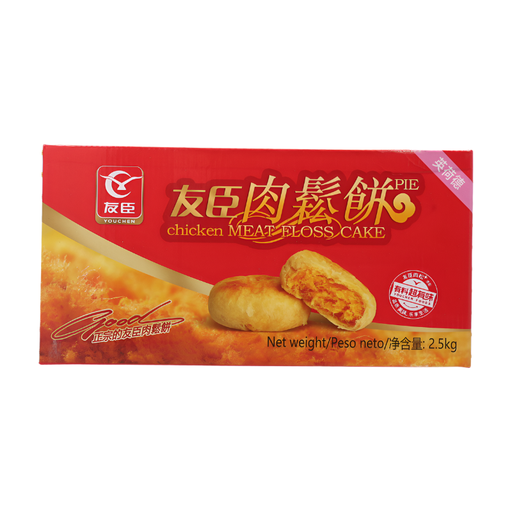
Why This Fits Their Persona: A large-format choice for parties, shared tea moments, catering-style buffets or households that frequently serve Chinese buns.
The packaging and product specification give the total weight and estimated number of packs. This allows you to plan storage and portions in advance.
2.5 kg, individually wrapped portions and ready to eat according to the product information. Store in a cool, dry place and seal tightly after opening.
Browse a current selection of Chinese buns, pastries and other Asian snacks by cooking method, packaging and flavour profile.
Bao buns, custard buns and other steamed buns are practical if you have a steamer basket and can spare a few minutes of preparation time. For immediate use, rice crackers, meat floss pastries and red bean buns are simpler. Just check whether the product is ready to eat or still needs to be heated.
Always follow the best-before date and storage instructions on the packaging. Keep frozen products at -18 °C or colder, do not thaw them unnecessarily and do not refreeze them if the label advises against it. Once opened, the storage time may be shorter.
Choose a mix of savoury Asian snacks and sweet varieties. Cha siu bao, juicy pork buns and scallion fried dough sticks work well on a savoury platter. Custard buns, sesame balls with red bean, red bean buns and rice crackers add variety. Factor in the number of guests, the available freezer space and the preparation time needed.
