
Vandaag of morgen in huis

Kwaliteit gegarandeerd

Welkomstaanbiedingen ontgrendelen: GRATIS bezorging | Tot 80% korting | Gratis 30 dagen JoyPlus-proefperiode
Download de app
Fancy Asian snacks, but not sure whether to choose mochi, Chinese desserts, Japanese biscuits or frozen dim sum? There is plenty of choice, and product packaging does not always make it immediately clear what you are getting. For example, a soft filling may be inside a frozen product that still needs cooking, while a similar snack may be ready to eat straight from the packet.
So pay particular attention to these three common pitfalls:
Japanese biscuits, dorayaki and many Asian sweet treats are generally labelled as ready to eat. This applies, for example, to dorayaki with red bean paste or a biscuit with matcha and macadamia nuts.
Frozen products are different. The product information for SAN QUAN Custard Bun 360g states that the steamed buns must be prepared from frozen. According to the instructions, steaming takes 10 to 12 minutes. The buns must not be defrosted first and should be eaten immediately after preparation.
The two types of Chinese rice balls in this range are also frozen raw products. Cook them in boiling water until they float to the surface and are fully cooked. Always check the packaging, as preparation times and storage instructions may vary from one product to another.
A constant temperature is important for frozen dim sum. The frozen products mentioned must be stored at -18 °C or below and must not be refrozen after defrosting. Plan your purchase around your freezer and check that the packaging is intact when your order arrives.
Room-temperature snacks require different considerations:
An individually wrapped snack is convenient for a lunchbox or work break. A bag containing multiple portions is better suited to a family or a film night.
In the Netherlands, major allergens must be clearly stated. The selected products include wheat/gluten, milk, egg, soya, peanut, sesame and nuts, among others. So read the full ingredients list, especially when buying snacks for several people.
A few examples:
Also compare the nutritional value per 100 grams, rather than looking only at the value per piece. This gives you a better basis for comparing different Chinese snacks, Japanese snacks, stroopwafels, biscuits and cakes. Nutritional value is not a judgement about suitability; you can decide for yourself which portion is right for the occasion.
The right choice depends on the occasion. Are you looking for something to enjoy with tea, a quick dessert, supplies for the freezer or snacks to share? The recommendations below are based on the listed product features, ingredients, portions and preparation methods.

Why it suits this profile: A 360-gram pack provides several soft steamed buns for breakfast, dessert or a snack at home. The preparation method is clearly stated: steam from frozen.
The product information explicitly states that defrosting is not necessary and gives a steaming time of 10 to 12 minutes. This means you know in advance that it is not a ready-to-eat snack.
Custard filling, steamed preparation and storage at -18 °C or below. Contains wheat, egg, soya and milk.
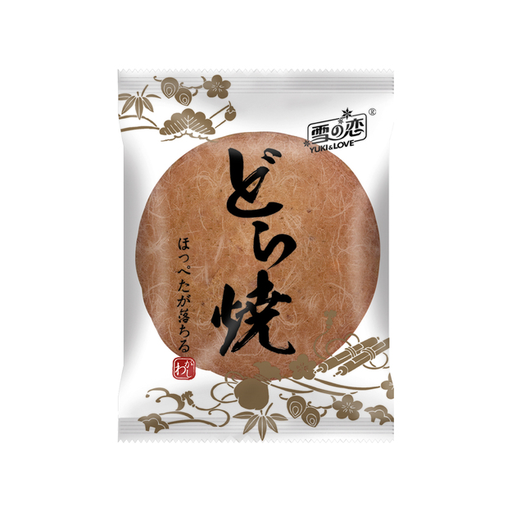
Why it suits this profile: This Japanese dorayaki combines two soft cake halves with red bean paste. The small size is ideal for a relaxing tea or coffee break without having to open a large pack.
The flavour profile and filling are described specifically. So you are not buying a generic “sweet snack”, but a cake product with red bean as its central ingredient.
55 grams per piece, ready to eat and ideal with tea or coffee. Contains wheat, egg and soya.
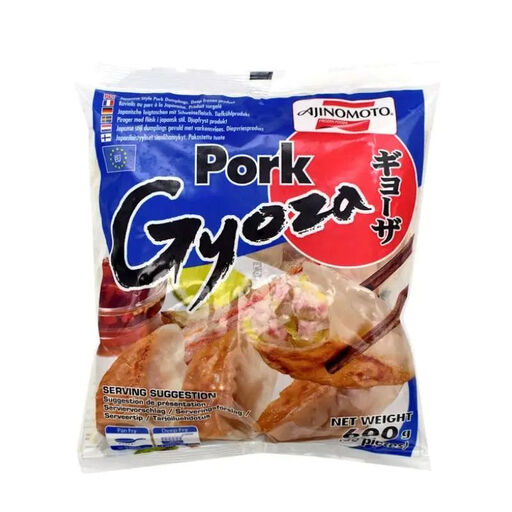
Why it suits this profile: The 30-piece pack is practical for an Asian meal, multiple diners or keeping in the freezer. These gyoza can be served with rice, vegetables or a dipping sauce.
The pack size and storage method are clearly stated. Keep the gyoza frozen until use and do not refreeze the product once it has been defrosted.
30 pieces with a filling of vegetables and 19% pork according to the product information. Contains gluten, wheat and soya.
We have put together a complete, up-to-date list of products that fully meet these strict selection criteria and the applicable European safety regulations.
That depends on the flavour and texture you are looking for. Dorayaki has a soft cake texture with a red bean filling. Mochi and mochi cakes are generally soft and chewy. Japanese biscuits, matcha biscuits and chocolate wafers offer a crispier texture. A stroopwafel also goes well with tea, although it is a Dutch snack rather than an Asian product.
Always follow the instructions on the packaging. Custard buns, for example, are steamed from frozen. Rice balls are cooked in boiling water until they float to the surface and are fully cooked. Prepare gyoza according to the method stated on the packaging. Do not automatically defrost frozen products beforehand, and do not refreeze them after defrosting.
Store dry biscuits and dorayaki in a cool, dry place away from sunlight and heat. Frozen products should be kept at -18 °C or below. A chilled product, such as a milk cake, must remain in the fridge. After opening, check the packaging and follow the stated time limit for consumption.
