
Vandaag of morgen in huis

Kwaliteit gegarandeerd

Welkomstaanbiedingen ontgrendelen: GRATIS bezorging | Tot 80% korting | Gratis 30 dagen JoyPlus-proefperiode
Download de app
When you buy Asian snacks and sweets online, you are faced with a wide variety of flavours, sizes and packaging. That is convenient, but it can make comparisons more difficult. Colourful packaging tells you little about the quantity, ingredients or suitability as a gift. Terms such as “traditional” or “authentic” do not always explain exactly what you will receive.
This practical checklist helps you compare Indian snacks, Turkish sweets and Indonesian snacks based on the factors that really matter.
A 500 g bag or box may contain small individually wrapped pieces, while a smaller pack may contain large biscuits. That is why you should check the net weight, number of pieces and serving size. This is particularly important when buying snacks for celebrations or as gifts.
For example, Bakker Joop Stroopkoeken is described as a pack containing eight large biscuits. The product information mentions both 256 g and 300 g. Before buying, check the label on the packaging and the current product page.
A product can be suitable for vegetarians while still containing milk, soya, egg, gluten or nuts. Soan papdi, for example, is often made with chickpea flour, sugar and ghee, but some varieties also contain almonds and pistachios. When buying vegetarian snacks, always read the full ingredients list and allergen information.
A brand may describe a particular preparation method, origin or taste experience. Do not present such claims as a guaranteed effect. According to Patak’s own product description, the pappadums are prepared using traditional Indian recipes and sun-dried. This provides useful context, but you should still check the label, preparation method and storage instructions yourself.
In the Netherlands and the European Union, the required allergens must be clearly indicated. Pay particular attention to:
Online product information may change or be less detailed than the packaging. For example, the product listing for BIGGA Selfie Pandan states that it may contain coconut, wheat, soya or nuts, and refers you to the label for the exact information.
First choose the type of snack that suits the occasion:
If you are looking for Indian snacks for drinks and nibbles, you can pair pappadums with chutney or raita. For a gift hamper, smaller portions and sturdy individual packaging are often more practical.
Check the best-before date, seal and packaging for any damage. Most of the products mentioned should be stored in a cool, dry place away from direct sunlight. Once opened, resealing the packaging securely helps prevent moisture and loss of flavour.
Also consider the packaging material. A glass jar of honey is heavier, but may be suitable for home use or as a gift. An individually wrapped sweet is easier to take with you or share out.
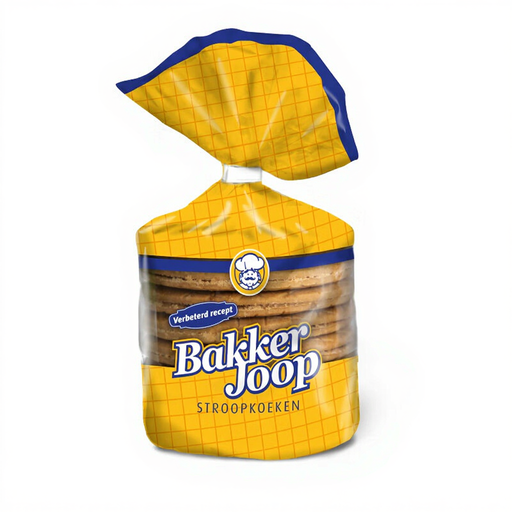
Why it suits this profile: An accessible choice for anyone wanting to try international treats for the first time or looking for something to enjoy with coffee or tea.
The number of biscuits is stated. However, check the weight on the packaging, as the available product information lists different weights.
Eight large biscuits; syrup filling; contains wheat, milk, soya and egg.
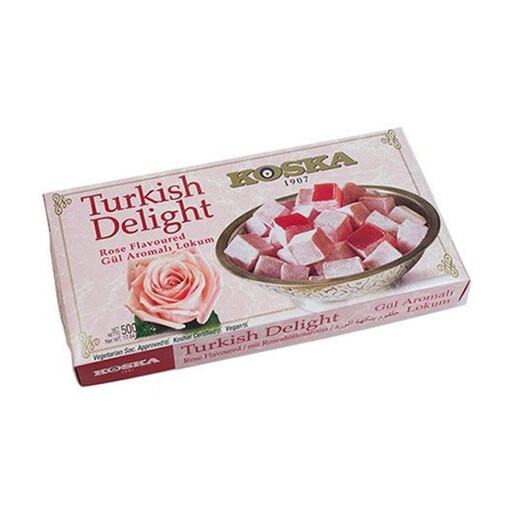
Why it suits this profile: A generous pack with rose flavouring for serving to guests or giving as a gift.
The product information states the weight, flavour and allergens. Check the current ingredients on the packaging before serving.
500 g; rose flavouring; according to the product listing, free from the 14 main EU allergens.
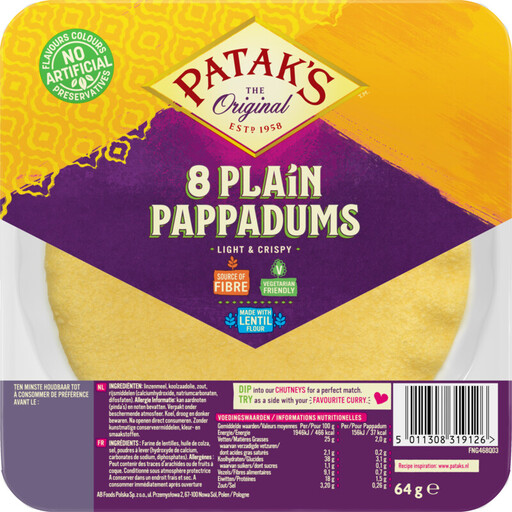
Why it suits this profile: Ideal for anyone who regularly prepares Indian meals and wants a crisp accompaniment to curry, mango chutney or raita.
The packaging states that there are eight pieces and that they are made with lentil flour. Be aware that they may contain peanuts and nuts.
Eight portions; lentil flour as the main ingredient; can be served as a snack or side dish.
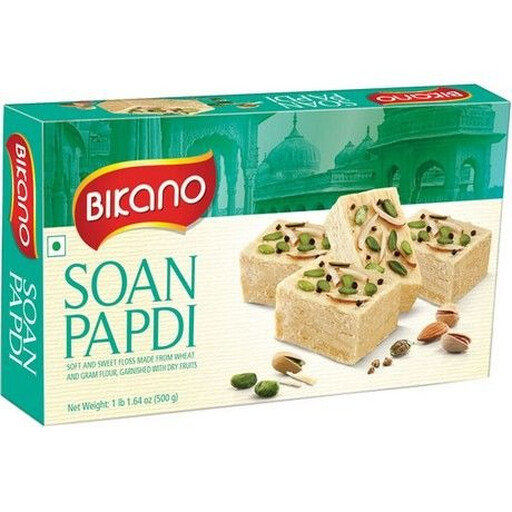
Why it suits this profile: An Indian sweet with a light, crisp texture, ideal for sharing, celebrations or putting together a gift hamper.
The product description mentions individual packaging and suitability for vegetarians. However, the product contains milk and nuts, including almonds and pistachios.
500 g; individually wrapped; chickpea flour, ghee, cardamom and nuts in the stated composition.
We have put together a complete, up-to-date list of products that fully meet these strict selection criteria and the applicable European safety regulations.
For a Dutch kitchen cupboard, you can combine different textures. Consider stroopkoeken and speculaas for coffee or tea breaks, pappadums for savoury dishes, and Turkish delight, halva or soan papdi when entertaining guests.
If you are looking for Indonesian snacks or a pandan snack, pay attention to the flavour description and possible allergens. According to the product information, BIGGA Selfie Pandan is individually wrapped and intended as a sweet snack. For sesame paste, the preparation method is important: according to the product information, Family Whole black sesame paste is prepared with approximately 175 ml of boiling water per sachet. The set also contains glucose.
Honey from Turkey can also be a good addition to a gift hamper. Koska Cicek Bali 220 g lists Anatolia as its origin. When buying, check the current origin and labelling information, and use the honey as a food product, for example on bread or in tea.
Choose products that are easy to share and require little preparation. Pappadums, individually wrapped soan papdi, Turkish delight and pandan snacks are practical options. Check the allergens beforehand, particularly when several guests will be eating.
Store them according to the label in a cool, dry place away from direct sunlight and heat. Seal the packaging securely to help prevent moisture and loss of quality. Always check the best-before date on the packaging, as it can vary by product and batch.
Do not just check for the word “vegetarian”; also look for ghee, milk powder, egg, gelatine and possible cross-contamination. Read the current ingredients and allergen list before buying or serving the product.
