
Vandaag of morgen in huis

Kwaliteit gegarandeerd

Welkomstaanbiedingen ontgrendelen: GRATIS bezorging | Tot 80% korting | Gratis 30 dagen JoyPlus-proefperiode
Download de app
Buying Asian snacks and sweets may seem straightforward, but the wide range of options can make comparing products difficult. Eye-catching packaging tells you little about the flavour, size or ingredients. Terms such as “premium”, “authentic” and “natural” are not always enough to determine whether a product is right for you.
If you are ordering Japanese snacks, mochi, chocolate snacks or fruity sweets online, it is worth focusing on three things: the ingredients list, the serving size, and the storage and shelf-life information. This helps you avoid surprises relating to allergies, texture, flavour and freshness.
A 120-gram pack may contain several small pieces, while an 80-gram bag may contain one large portion. So do not just look at the net weight. Check the number of pieces and the nutritional values per 100 grams as well.
For example, according to the product information, Yuki & Love Mochi Rice Cake Mango contains 120 grams and eight mochi. This makes it suitable for sharing or serving individually. An individual cake, such as the 80-gram Atom Japanese Banana Baum Cake, is a more manageable treat for one or two people.
Fruity flavours such as mango, strawberry and lychee may come from juice concentrate, flavouring or a combination of the two. As a result, anyone expecting a pronounced fruit flavour could be disappointed.
Check the ingredients. The Yuki & Love mochi lists 1.7% mango juice and flavouring, among other ingredients. According to the product information, Jele Double Jelly Lychee uses jujube juice concentrate and flavouring. These are verifiable details that tell you more than the flavour name on the front of the pack.
Mochi has a soft, elastic texture thanks to glutinous rice flour or similar ingredients. This is quite different from the crunchiness of Japanese biscuits or the light texture of a cake. Products may also contain milk, soya, gluten, nuts, sesame or gelatine.
When ordering online, check the following:
Ingredients are listed in descending order by weight. If sugar, glucose syrup or maltose appears near the top of the list, it makes up a significant part of the product. This is not a judgement on quality, but it is useful information when deciding what to buy.
For people with allergies, the separate allergen declaration is particularly important. The information on a product page is helpful, but check the packaging again when your order arrives. Recipes and labels can change. If in doubt, do not rely solely on marketing copy.
Compare products on the same basis: per 100 grams. This makes it easier to see the difference between, for example, mochi, chocolate and toffees.
A smaller portion may be more convenient, but it does not automatically change the nutritional values per 100 grams. Use this information to compare flavours and portion sizes more consciously.
International snacks may have a shorter remaining shelf life. For example, the Nestlé KitKat Itoen Matcha & Chocolate product page highlights its short shelf life. Therefore, check the best-before date on the packaging.
Most sweet snacks should be stored in a cool, dry place away from direct sunlight. Chocolate may discolour or soften in warm conditions. Mochi and jelly may develop different textural properties after opening, so follow the storage instructions on the packaging. Do not use a product if the seal or packaging is damaged.
The following selection is based on practical product details such as size, number of pieces, flavour, texture and allergen information. This allows you to choose Asian snacks and sweets more selectively, rather than relying solely on the packaging.
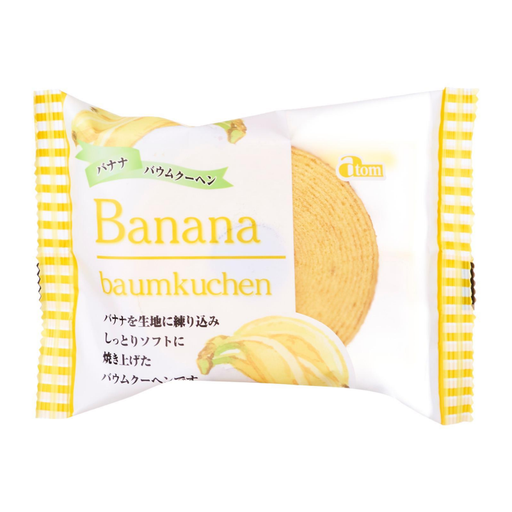
Why it suits this profile: At 80 grams and individually wrapped, this cake offers an easy introduction to Japanese snacks. The soft, layered cake has a mild banana flavour and is ideal with coffee, tea or as a small dessert.
The net weight and individual packaging are clearly stated. This means you do not have to buy a large stock before finding out whether the soft cake texture suits your taste.
80 grams, individually wrapped and, according to the product description, made without artificial colourings or preservatives. Does contain wheat, egg and milk.
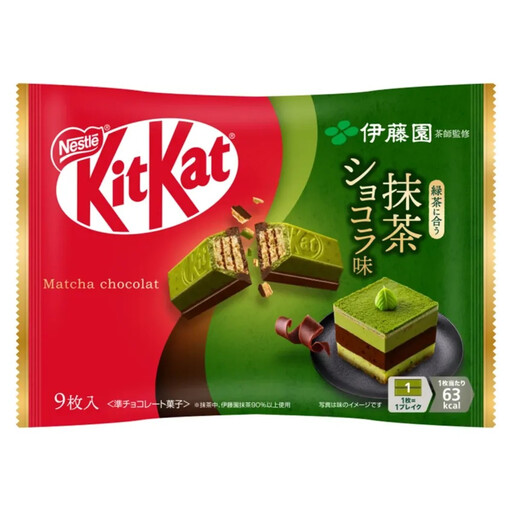
Why it suits this profile: Nine individually wrapped bars are ideal for a tasting session, a gift or enjoying with coffee. The combination of matcha, white chocolate and crisp wafer offers a change from standard chocolate snacks.
The number of bars and total weight are clearly stated in advance. The short shelf life mentioned on the product page makes checking the date particularly important.
9 individually wrapped bars, sourced from Japan, with a familiar matcha and chocolate flavour. Contains wheat, milk and soya.
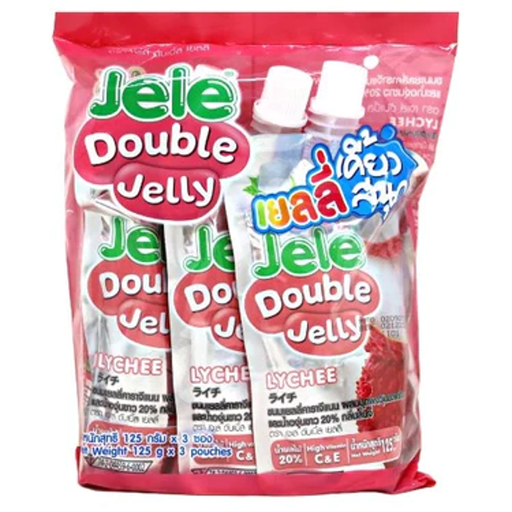
Why it suits this profile: The three separate 125-gram cups are convenient for sharing, lunch boxes or a chilled dessert. The combination of soft jelly and pieces of fruit creates a different texture from biscuits or toffees.
The portions are divided into individual cups, and the product information recommends serving them chilled. Take note of the warning for children under three.
3 individual cups, ready to eat, and according to the product information, free from the 14 main EU allergens.
We have put together a complete, up-to-date list of products that fully meet these strict selection criteria and the applicable European safety regulations.
Check the flavour, number of pieces, ingredients and allergens. Pay attention to the texture as well: mochi is soft and sticky. Some varieties may contain gelatine. Store and serve the product according to the label.
Individually wrapped products such as KitKat Matcha & Chocolate, or a box containing several small bars, are practical for sharing. Check the shelf life in advance and mention any allergens when giving the snacks as a gift.
Snacks should generally be stored somewhere cool and dry, away from direct sunlight. Chocolate stays at its best at a stable temperature. Opened mochi and jelly may have different storage recommendations, so always follow the packaging. Also check that the packaging is undamaged before using the product.
