
Vandaag of morgen in huis

Kwaliteit gegarandeerd

Welkomstaanbiedingen ontgrendelen: GRATIS bezorging | Tot 80% korting | Gratis 30 dagen JoyPlus-proefperiode
Download de app
When you buy Asian snacks online, you’ll often see eye-catching packaging, unusual flavours and tempting offers. However, attractive presentation says little about what’s inside. For example, a soft texture can quickly change after opening, while a product labelled “matcha” may consist mainly of sugar and flavourings.
With the right checks, it’s easier to find a snack that suits your taste, dietary requirements and occasion. Below, you’ll find practical points to consider, along with some popular choices for enjoying with tea, serving to guests, taking on the go or keeping at home.
Words such as matcha, taro, coconut or red bean are often displayed prominently on the packaging. So check the ingredients list. For example, Yuki & Love Mochi Rice Cake Matcha 128g lists 6% matcha powder, alongside a matcha filling containing 1.5% matcha powder. This gives you a more realistic picture than the product name alone.
Other Japanese mochi products may also contain a filling made from sugar, maltose, starch and flavourings. That isn’t necessarily a problem, but it’s worth knowing if you’re expecting a pronounced tea flavour or a less sweet snack.
According to the product information, vegan snacks contain no ingredients of animal origin, but they may still be high in sugar or calories. For example, Autodrop Vegan Cadillacs contain 62 grams of sugar per 100 grams. For some products, allergen information is also limited, or the packaging may state that cross-contamination is possible.
If you have an allergy, always check the current label. Pay particular attention to soya, milk, gluten, sesame and peanuts. A product such as Yuki & Love Azuki Bean Mochi contains soya, while the matcha variety may contain traces of gluten, peanuts, nuts and sesame.
Mochi, biscuits and jelly snacks respond differently to storage conditions. Mochi can dry out or become harder if the pack is left open for too long. Biscuits lose their crisp texture when exposed to moisture. Some desserts, such as chilled soya pudding, must be refrigerated after opening.
So check these three things:
Ingredients are listed in descending order by quantity. If sugar, maltose or glucose syrup appears near the top of the list, it makes up a significant part of the product. Also check for additives such as preservatives, emulsifiers and thickeners if you consciously prefer to avoid them.
For example, Love Mochi Matcha Flavour Mochi 180g lists E202 as a preservative. According to the product information, Q-Brand Japanese-Style Red Bean Mochi 210g may contain traces of cereals containing gluten. For families, it’s sensible to check the physical packaging as well as the product page.
A single-serve pack may look small, but always compare products per 100 grams. Love Mochi Matcha, for example, contains 326 kcal and 40 grams of sugar per 100 grams. Q-Brand red bean mochi lists 365 kcal and 28 grams of sugar per 100 grams.
This makes it easier to compare sweet snacks, Asian sweets and Asian biscuits fairly. A smaller pack mainly means a different portion size; it doesn’t guarantee a different recipe.
Mochi is known for its soft, elastic outer layer made from glutinous rice flour. The filling determines the flavour and mouthfeel:
Individual wrappers help keep the snack clean and make sharing easier. When giving snacks to young children, always check the age information and instructions on the packaging.
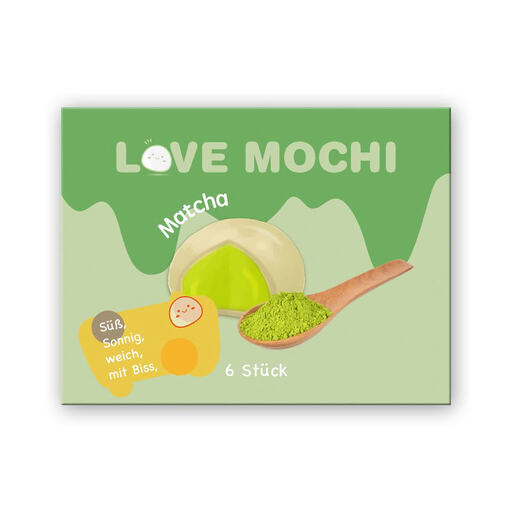
Why it suits this profile: An approachable size for anyone trying mochi for the first time and looking for a matcha flavour to enjoy with a cup of tea.
The product information specifies the matcha filling and ingredients, lists E202 and gives a net weight of 180 grams.
Soft, chewy outer layer, matcha filling and storage at room temperature.
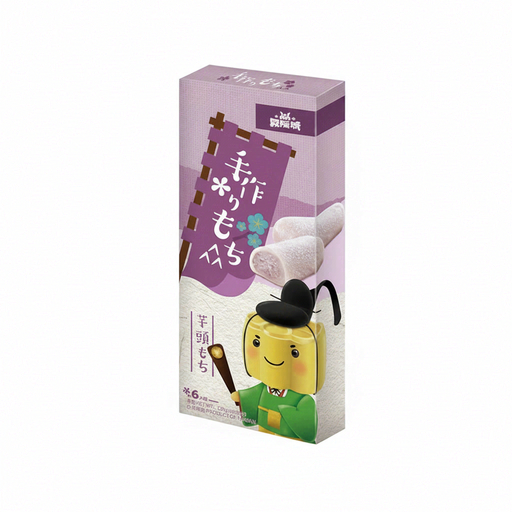
Why it suits this profile: For anyone who pays particular attention to filling, texture and presentation when serving a dessert platter or giving a gift.
The product description specifies Taiwanese style, taro paste and individual packaging.
Taro filling, soft, chewy texture and individually wrapped pieces.
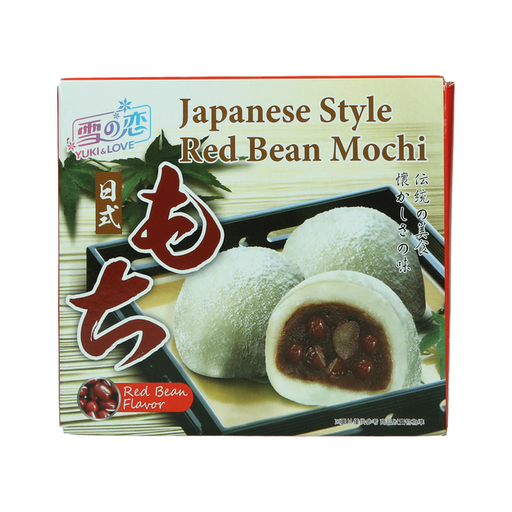
Why it suits this profile: A compact choice for lovers of traditional red bean filling to enjoy with coffee or tea.
The ingredients list states 27% red bean paste and identifies soya as an allergen.
Clearly specified azuki filling, 140-gram contents and ready to eat.
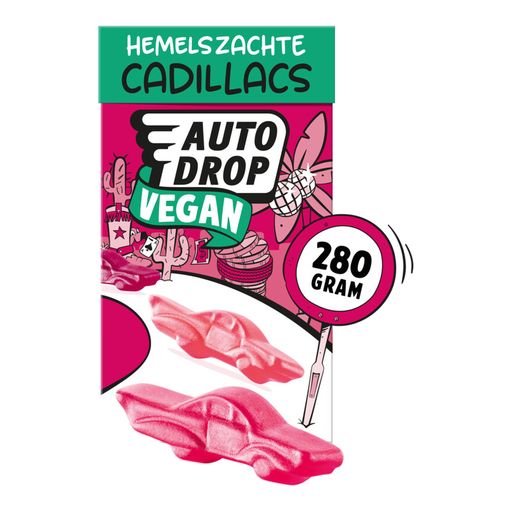
Why it suits this profile: Ideal for sharing during a film night, when entertaining guests or at a children’s party where vegan and gluten-free options matter.
The product information states that it is vegan and gluten-free, with three fruit flavours and natural colours and flavourings.
280 grams of product, soft gummies and approximately eleven 25-gram portions according to the product details.
We’ve put together a complete, up-to-date list of products that fully meet these strict selection criteria and the applicable European safety regulations.
Mochi with matcha, taro or red bean is a sensible starting point if you’d like to try soft, chewy snacks. Choose a smaller pack and compare the filling with the ingredients list. If you prefer a familiar fruit flavour, vegan gummies or Asian biscuits are an easier introduction.
Store mochi according to the label, usually at room temperature in a cool, dry place. Seal the pack securely and ideally eat the pieces soon after opening. Pay attention to the individual product instructions: a soya-based dessert such as Alpro Chocolate Flavour Dessert must be refrigerated after opening.
Check the net contents, nutritional values, allergens, ingredients, origin, shelf life and storage instructions. Also check whether the product is individually wrapped if you plan to take it with you or share it out. This way, you’re comparing more than just flavour names and packaging – you’re assessing the features that really matter for how you intend to use the product.
