
Vandaag of morgen in huis

Kwaliteit gegarandeerd

Welkomstaanbiedingen ontgrendelen: GRATIS bezorging | Tot 80% korting | Gratis 30 dagen JoyPlus-proefperiode
Download de app
Fancy Korean rice cakes, Japanese sweet bean snacks or a quick meal from the pantry? There’s a wide range of Asian snacks and shelf-stable meals to choose from. That can make choosing seem easy, but important differences can be hidden on product packaging.
Look out for these three common pitfalls:
By checking the ingredients, allergens, portion size and preparation instructions, you can more easily find a product that suits your household.
Don’t just look at the front of the pack. The ingredients list tells you what’s actually in the product. The sauce in Korean rice cakes, for example, may contain soya, wheat, gluten and anchovy. This applies to DELIEF Korean Rice Cakes with Black Bean Sauce in a Cup. The rice cakes make up 65% of the product, while the jjajang sauce accounts for 35% and includes ingredients such as soya powder, soya sauce powder and anchovy extract.
Allergens matter in sweet products, too. Red bean buns, red bean taiyaki and mung bean cakes may contain wheat, milk, eggs or soya. According to the product information, Khy Taiyaki contains wheat and soya. MUSHAN BASE Mung Bean Cake contains gluten from wheat.
So always check the current packaging, especially if you have an allergy or food intolerance. Recipes and labels can change.
How a product is prepared can determine whether it’s handy for on the go, at the office or as a quick meal at home.
A product that can be stored in a pantry isn’t the same as a frozen product or a chilled meal.
A small snack pack can be convenient, but several individual portions may cost more per gram. So compare the net weight and the price per 100 grams.
Pay attention to sugar and salt, too. According to the product information, Jin Zai tofu snack contains 3.1 grams of salt per 100 grams. DELIEF jjajang rice cakes contain 1.6 grams of salt per 100 grams. That doesn’t make these products unsuitable, but it’s useful information when comparing different snacks.
Portion size also matters for shelf-stable meals. A jar of white beans in tomato sauce can be served as a side dish, while chilli beans can be used more easily as the base for a quick meal. Add rice, bread or vegetables if you like, depending on how you’re planning your meal.
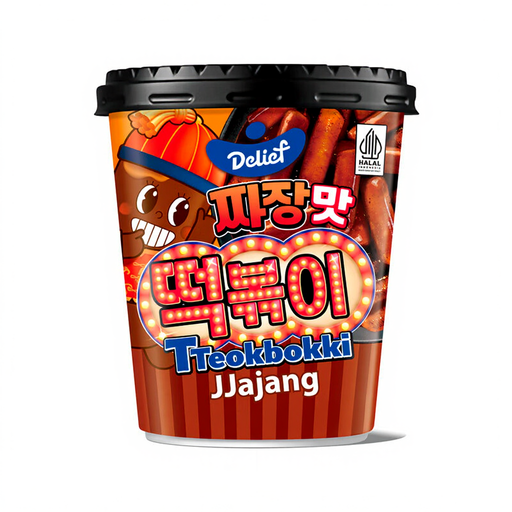
Why it suits this shopper: A compact portion for anyone who wants to try jjajang rice cakes without buying several packs. It’s prepared in the microwave.
The product information clearly states the 120-gram portion, preparation method and allergens, including soya, wheat and fish.
120 grams per cup; 700 watts and three minutes according to the stated preparation instructions.
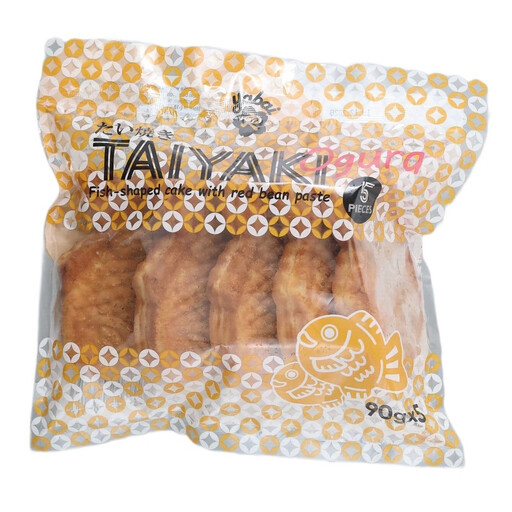
Why it suits this shopper: A Japanese speciality for anyone who appreciates 90-gram portions and wants to serve a sweet snack with tea at home.
The pack contains five individual cakes and clearly states that the product must be kept frozen.
450 grams in total; five portions; adzuki filling; product information states that it originates from Japan.

Why it suits this shopper: A savoury tofu snack for work, travel or a pantry where individual portions come in handy.
The pack contains five individual portions and states that the snack is ready to eat. Do check for soya, sesame and sulphites.
108 grams in total; five portions; ready to eat; 18.5 grams of protein per 100 grams, according to the product information.
Asian biscuits, mung bean cake and sweet red bean products go well with coffee or tea. Orion Mushroom-shaped Chocolate Cookies contain ingredients including cocoa powder and red bean paste powder. MUSHAN BASE Mung Bean Cake is ready to eat and contains peeled mung beans and wheat flour.
If you’d rather put together a quick meal, consider white beans in tomato sauce or chilli beans. HAK Chili Beans are available in a multipack of six 380-gram jars. The product information states that they contain 61% red kidney beans and are prepared with tomato and herbs. Other options to compare for your pantry include HAK White Beans in Tomato Sauce, Heinz Tomato Beans and g’woon White Beans in Tomato Sauce. For glass jars, follow the instructions: don’t heat the contents in a sealed jar. Transfer them to a pan or microwave-safe dish first.
We’ve put together a complete, up-to-date list of products that meet these strict selection criteria and current European safety regulations.
It varies by product. Dry biscuits and mung bean cake are usually stored in a cool, dry place. Frozen taiyaki must be kept in the freezer. Always check the date and storage instructions on the packaging. Once opened, products often have a shorter use-by period.
Not necessarily. Jjajang sauce may contain anchovy, tofu snacks may contain sulphites, and baked goods sometimes contain eggs or milk. Some products, such as HAK Chili Beans, are described as vegan in the product information. Even so, always check the current ingredients list and allergen information.
Ready-to-eat Asian snacks, such as rice cakes in a cup, are practical if you have a microwave. For a store-cupboard meal, chilli beans or white beans in tomato sauce are easy to pair with rice, potatoes, bread or vegetables. Choose based on how you plan to use the product, rather than just its packaging or flavour name.
