
Vandaag of morgen in huis

Kwaliteit gegarandeerd

Welkomstaanbiedingen ontgrendelen: GRATIS bezorging | Tot 80% korting | Gratis 30 dagen JoyPlus-proefperiode
Download de app
Asian snacks and seasoning blends make it easy to try new flavours at home. But comparing products online can be tricky. Colourful packaging tells you little about the amount of seasoning, allergens or how to use the product. A few simple checks can help you avoid a disappointing purchase and choose with confidence, whether you’re looking for an Indian snack mix, Japanese seasoning blend or Korean pancake mix.
Words such as “authentic”, “traditional” and “restaurant-style” are often part of a product’s marketing. They don’t necessarily tell you how hot, salty, sweet or aromatic it tastes. So check the ingredients and instructions for use.
A mala seasoning blend, for example, often contains chilli and Sichuan pepper. According to the product information, Hao Ren Jia Mala Dry Pot Seasoning Mix contains at least 5% chilli and 1% Sichuan pepper. That gives you a clearer idea than the name “mala” alone. Also check whether it’s a ready-made sauce, dry blend or cooking base.
Snack mixes often contain peanuts, nuts, sesame, soya, wheat or mustard. A Chinese seasoning blend may also contain oyster sauce, wheat or fermented beans. Always check the allergens highlighted in bold on the packaging, as well as any warning about possible traces.
Take extra care with products such as Haldiram's snacks, as ingredients vary between products. According to the product information, Navrattan Mix contains peanuts, cashews and sesame, among other ingredients. Cornflakes Mix contains cashews and sesame, and may contain traces of peanuts, soya and gluten.
A ready-to-eat snack can be served straight away. A seasoning blend for char siu, mala hotpot or Korean pancakes needs to be prepared first. If you overlook the difference, you could buy a product that doesn’t fit your plans.
Check whether the packaging says “ready to eat” or “cooking required”. Hao Ren Jia Mala Dry Pot Seasoning Mix is intended for stir-frying. Korean Crispy Pancake Flour Mix is a base for making pancakes, not a ready-to-eat snack. Lobo Roast Red Pork Seasoning Mix is designed for marinating and cooking pork.
Start with the ingredients list. The order shows which ingredients make up a larger proportion of the product. Also check the salt and sugar content per 100 grams. This is particularly useful for seasoning blends that you use in larger quantities.
An Adana köfte seasoning such as Basak Adana Sis Kofte Spice Mix is designed to be mixed with minced meat. Check whether you need to add salt, oil or other ingredients. With a char siu seasoning blend, look out for soya and wheat, as these can be found in ingredients such as soy sauce powder.
A 200-gram pack isn’t always comparable to a 100-gram bag. For snacks, portion size affects how long the product will last. For cooking blends, it’s useful to know how many dishes you can make from one pack.
Examples from the range:
A small jar of furikake seasoning can flavour several meals, while a snack mix is usually eaten more quickly.
Check whether you can add the blend straight to your dish or whether it needs to be dissolved, mixed or heated first. Wei Men Five-Spice Tea-Egg Seasoning Mix, for example, is used in water with eggs and needs time to steep. Always follow the instructions on the packaging.
Once opened, store products in a cool, dry place in a tightly sealed container, unless the label says otherwise. Sauces and some wet mixes may need to be refrigerated after opening. Always check the best-before date and don’t use a product if its seal is damaged.
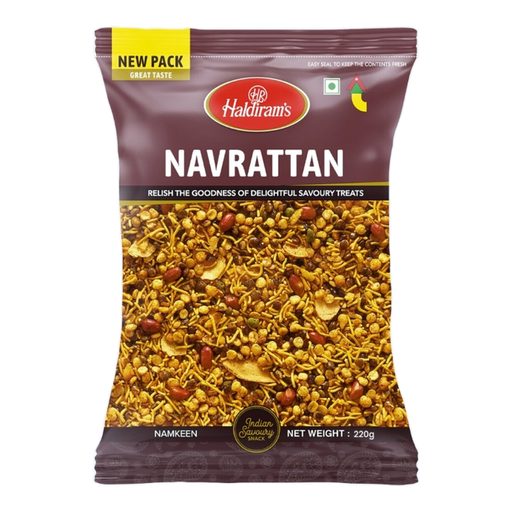
Why it suits this shopper: This ready-to-eat Indian snack mix can be served straight away and comes in a 200-gram pack. It’s a practical way to try Haldiram's snacks for the first time.
The product information clearly states that the mix is ready to eat. So there’s no need to plan for cooking or extra ingredients.
Contains lentils, peanuts, rice flakes, raisins, cashews and seeds, among other ingredients. Please note: contains peanuts, cashews and sesame.
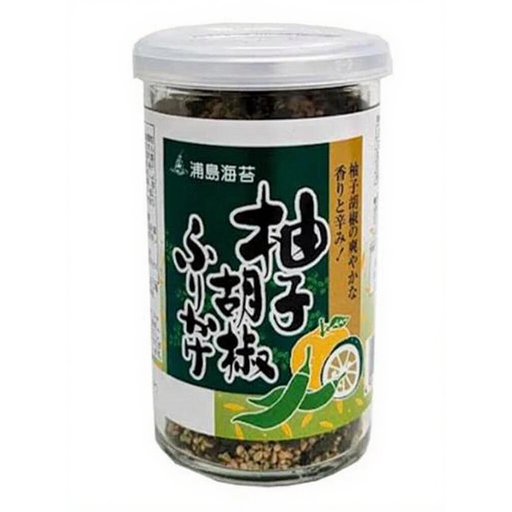
Why it suits this shopper: According to the product description, this Japanese seasoning blend combines yuzu, pepper, sesame and nori. It’s designed to be sprinkled over rice, noodles, sushi and more.
The product has a wide range of uses, but check the ingredients list for sesame and other allergens before ordering.
Compact 50-gram pack, suitable for a variety of dishes, from rice to popcorn.
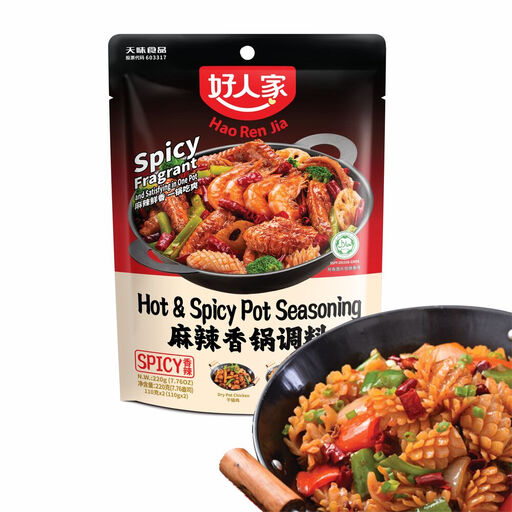
Why it suits this shopper: This Chinese seasoning blend is made for mala dry pot and needs to be cooked with meat, prawns and vegetables. It’s a good fit for home cooks who want to make a specific dish.
The instructions clearly state that cooking is required, so you’ll know in advance that this isn’t a ready-to-eat snack.
220-gram pack; according to the product information, contains at least 5% chilli and 1% Sichuan pepper. Contains soya, wheat, molluscs and sesame, among other ingredients.
We’ve put together a complete, up-to-date list of products that meet these strict selection criteria and the relevant European safety requirements.
Packs weighing 150 to 280 grams are handy for a small gathering. Indian snack mixes such as Navrattan Mix, Cornflakes Mix and Gujarati Mix offer a variety of textures and flavours. Be sure to check the allergens first, especially peanuts, nuts and sesame.
A Japanese seasoning blend such as furikake is usually sprinkled over rice, noodles, sushi or vegetables. Start with a small amount and add more to taste. Check the label for the exact ingredients, as some varieties may contain sesame, fish or other flavourings.
Check whether the pack contains just flour or also includes seasoning and raising agents. Also look at how much liquid you need, the cooking time and the number of portions. A 500-gram bag, such as Chung Jung One Korean Crispy Pancake Flour Mix, is particularly handy if you often make pancakes with vegetables or seafood.
