
Vandaag of morgen in huis

Kwaliteit gegarandeerd

Welkomstaanbiedingen ontgrendelen: GRATIS bezorging | Tot 80% korting | Gratis 30 dagen JoyPlus-proefperiode
Download de app
When you search for Asian snacks and sauces online, you’ll quickly come across dozens of varieties with similar packaging. Yet the taste, size, ingredients and uses can differ quite a bit. A sweet sauce might work well as a dip, but could be too sweet as a marinade. And with snacks, a flashy packet doesn’t tell you much about portion size, allergens or shelf life.
With these practical selection points, you can compare Asian groceries online based on the information that really matters.
A bottle of 850 or 970 grams can be handy for a large household, but less practical if you only cook occasionally. Once opened, sauces often need to be kept refrigerated according to the product information. So check not just the price, but also the amount you’re likely to use within the shelf life.
Flavour descriptions are useful as a first clue, but check the ingredients and nutritional information. A sweet chilli sauce, for example, can contain 42 grams of sugar per 100 grams, while a Korean sauce can be both sweet and distinctly spicy. According to the product description for Sempio, the Korean Fried Chicken Sauce Sweet & Spicy contains 29 grams of sugar and 3.1 grams of salt per 100 grams.
Soya and wheat are common in kecap manis, teriyaki sauce, bean paste and some Chinese snacks. Indonesian kecap manis may also list sulphites. Always check the current packaging, especially if you have allergies or food intolerances. For products sold online, allergen information should be clearly available in line with European food information regulations.
Look at the ingredients list first, then the nutritional values per 100 grams. This makes products easier to compare than a claim on the front of the packet.
Pay particular attention to:
A product with a short ingredients list isn’t automatically suitable for everyone. CBL Traditional Sweet Bean Paste, for example, contains water, wheat flour and salt, but because of the wheat it isn’t suitable for anyone who needs to avoid gluten.
Choose a pack based on how you’ll use it:
With mochi and other soft desserts, the packaging is especially important. Individual wrappers help you measure portions and make the snack suitable for a lunchbox or dessert table. When you open them, do check the texture and store the product according to the label.
Think about what you’ll use the sauce for beforehand. A few examples:
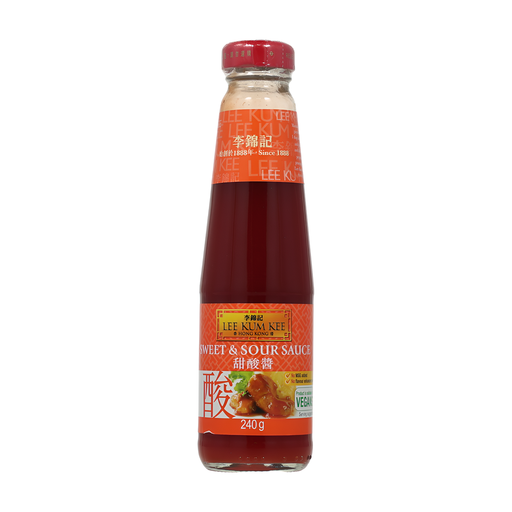
Why this fits the profile: The 240-gram size is manageable for anyone trying sweet and sour sauce for the first time and wanting to pair it with various Chinese snacks or stir-fry dishes.
The product description mentions multiple uses: cooking, dipping and glazing. That way you don’t buy a sauce with only one purpose.
240 grams; ready to use; contains 15% tomato purée and 3% pineapple juice concentrate according to the product information.
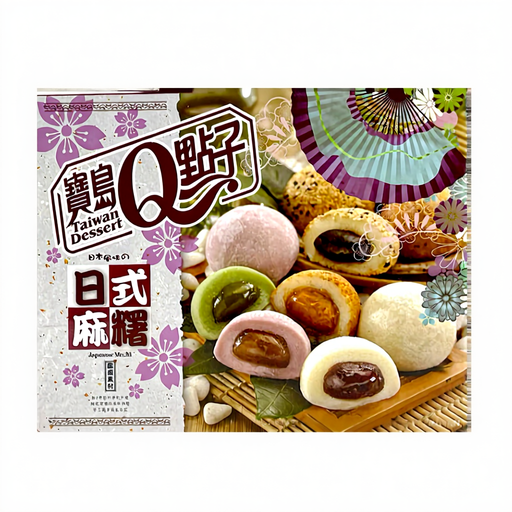
Why this fits the profile: If you want to compare several flavours, you get varieties including red bean, peanut, sesame, matcha and yam. The product information lists Taiwan as the origin.
The flavour selection is described in concrete terms, and the allergens peanut and sesame are listed. That prevents a purchase based solely on the term Japanese mochi.
600 grams; individually wrapped; multiple fillings; ideal for sharing or serving with Asian tea.
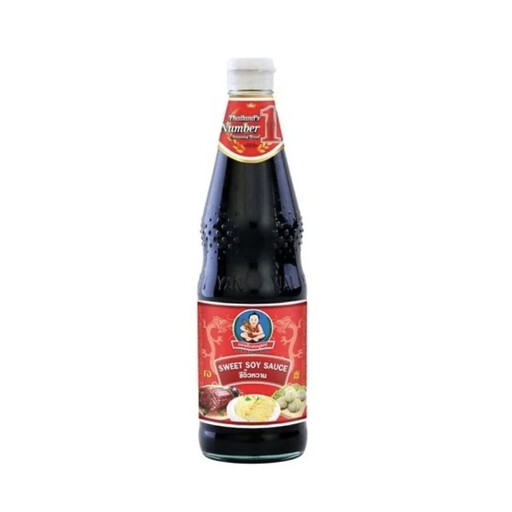
Why this fits the profile: The large size suits households that stir-fry, marinate or make noodle dishes often and don’t want to keep buying a new bottle.
The 970-gram content makes the purpose clear: this is a bulk size, not just a taster bottle.
Thick, sweet sauce; suitable for wok dishes, marinades and dips; contains soya and wheat according to the label.
We’ve put together a full, up-to-date list of products that fully meet these strict selection criteria and current European safety regulations.
Alongside sauces, you’ll find various types of Asian sweets and desserts. Think of taro mochi, plum snacks and soft rice crackers. For a savoury choice, Chinese cat ears with five-spice or barbecue biscuits make a good snack. With these products, watch out for wheat, sesame, peanut and the salt content.
For a drink moment, you can pair Asian tea with mochi or dried plums. Pickwick Spices Turkish Apple Black Tea is a black tea blend with apple and spices. According to the product information, this tea contains caffeine; check the packaging for full allergen information.
Kecap manis is generally thicker and sweeter. ABC Indonesian Sweet Soy Sauce contains sugar, soya extract and wheat according to the product information. Use it in marinades, stir-fries or as a dip. Regular soy sauce is usually thinner and saltier in taste.
Always follow the label. For LEE KUM KEE Sweet & Sour Sauce, it states that the sauce must be refrigerated after opening. Keep bottles tightly sealed and use clean utensils. Check the smell, colour and shelf life information before use.
Individually wrapped mochi, a bag of Chinese biscuits or snacks in a larger sharing pack are practical. Look at the total weight, the number of portions and the allergens. That way you’ll know in advance whether the product is suitable for a family, party or snack moment at the office.
