
Vandaag of morgen in huis

Kwaliteit gegarandeerd

Welkomstaanbiedingen ontgrendelen: GRATIS bezorging | Tot 80% korting | Gratis 30 dagen JoyPlus-proefperiode
Download de app
When you buy Asian snacks online, you’re quickly presented with a huge selection: from Chinese snacks and spicy lotus root slices to dried fruit, sweet potato snacks and candied fruit. The packaging often looks tempting, but it doesn’t always tell you exactly what you’re buying. Ingredients, allergens, salt content and shelf life are all worth checking.
As a Joybuy Product Recommendation Officer, I assess product information with practical considerations in mind. That way, you can compare snacks not just by flavour or price, but also by what’s actually inside the pack.
Water is removed from fruit to make dried fruit. This means it contains a relatively high amount of carbohydrates per 100g. Some products also have sugar added. For example, Liu Liu Prune Nitta Dried Mango contains mango, sugar, food acid and flavouring. The product information lists 319 kcal and 77,6 grams of carbohydrates per 100 grams.
Jia Jian Cheng Chu Dried Mango Thai Flavour also contains sugar and has 70,7 grams of carbohydrates per 100 grams. These are ready-to-eat snacks with a sweet-and-sour flavour, but they’re not the same as fresh fruit.
When choosing savoury snacks, many people focus mainly on the chilli level. Check the salt content and flavourings too. Shimoxiaozhen lotus root slices contain at least 80% lotus root, as well as salt, sugar, palm oil, flavour enhancers and spices. The listed salt content is 1,8 grams per 100 grams.
The Black Duck variety has a similar salt content and also contains 1% Sichuan pepper. This gives it a distinctive aroma and a tingling sensation, but the flavour may be quite different from regular chilli.
Marketing copy may use terms such as natural, traditional or nutritious. According to MUSHAN BASE, the vegetables and fruit are dehydrated at a low temperature to preserve their colour, flavour and nutrients. This is the brand’s description, not an independently verified claim.
So look at the specific details. MUSHAN BASE Mixed Fruit and Vegetable Crisps contains purple sweet potato, banana, taro, apple, peas and carrot, as well as palm oil, maltose and salt. The listed values per 100 grams are 469 kcal and 16,1 grams of fat.
Start with the ingredients list. Ingredients are generally listed in descending order by weight. If sugar appears near the top of the list, it makes up a significant part of the recipe.
Also look out for specific warnings:
Always check the physical label before eating. Product information and ingredients may change.
A 70 or 100-gram pack may look small, but you can only make a fair comparison by looking at the values per 100 grams. Check:
A product with 0 grams of fat won’t necessarily suit everyone. Its overall ingredients, flavour and portion size all affect how it fits into your diet.
Check whether the pack is resealable or divided into individual portions. Individually wrapped lotus root slices and some fruit products are handy for taking on the go, to the office or on a train journey.
Store dried snacks in a cool, dry, dark place, following the instructions on the label. Seal the bag securely after opening. Most products have a best-before date on the packaging. Don’t eat a product if the bag is damaged, swollen, leaking or mouldy.
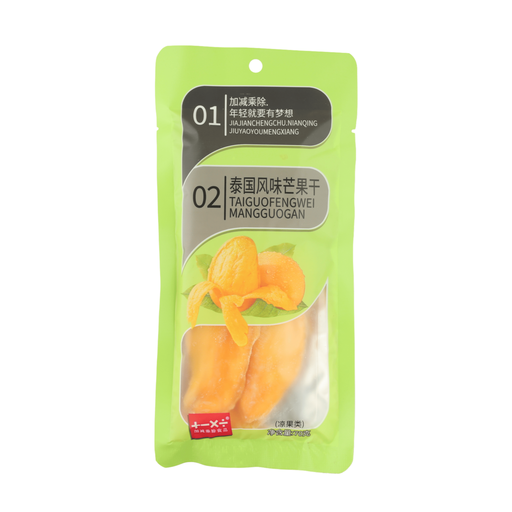
Why it suits this profile: A handy portion of dried mango for anyone looking for an easy introduction to sweet-and-sour Asian snacks.
The ingredients and nutritional values are clearly listed, so you can see that sugar, salt and sulphites are part of the recipe.
70 grams, ready to eat and ideal as a convenient snack. Contains mango, sugar, spices and food acids.
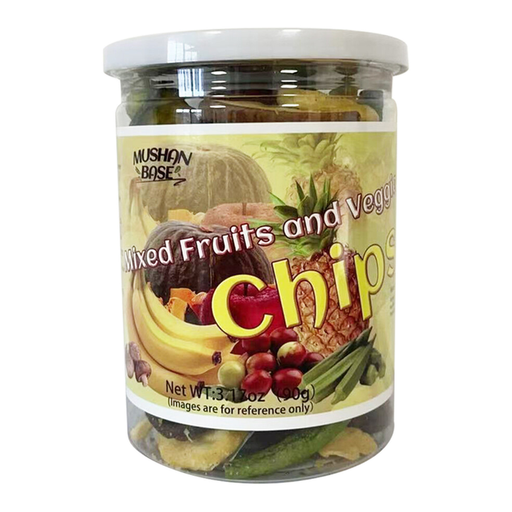
Why it suits this profile: For anyone who wants to compare several textures and flavours in one bag, with ingredients clearly listed for each product.
The mix isn’t presented as just “fruit”: the ingredients list also includes palm oil, maltose and salt. That makes it easier to compare.
90 grams of crunchy fruit and vegetables, including purple sweet potato, taro, apple and carrot.
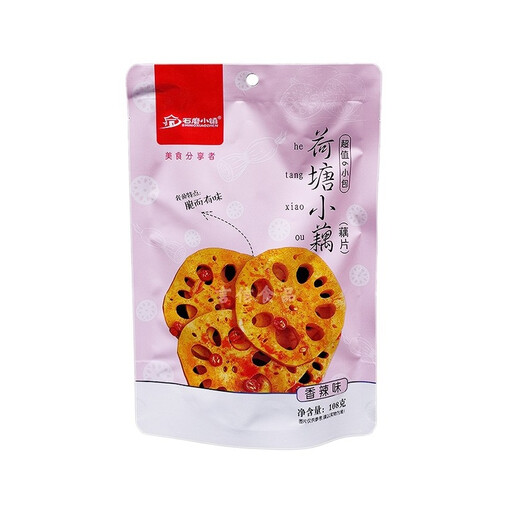
Why it suits this profile: Made for fans of savoury, spicy Chinese snacks that are ready to eat straight from the pack.
The product information lists the percentage of lotus root, salt content, E numbers and the E110 warning. This lets you consider the spiciness alongside the ingredients.
108 grams, at least 80% lotus root, ready to eat and individually wrapped. The listed energy is 82 kcal per 100 grams.
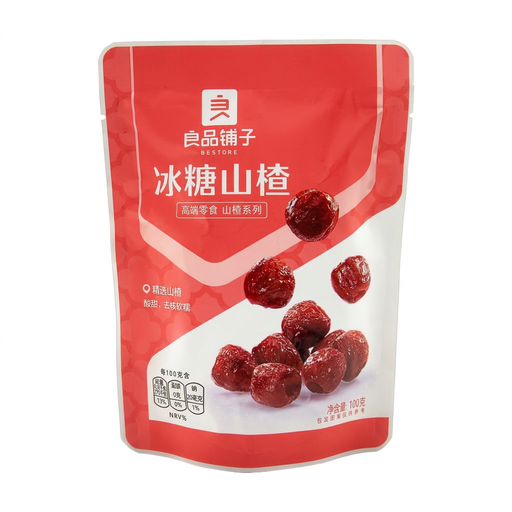
Why it suits this profile: A distinctive sweet-and-sour Chinese snack for anyone wanting to try candied fruit and fruit tea.
The ingredients list states that it contains 67,73% hawthorn, as well as rock sugar and white sugar. So you can get a good idea of how sweet it will be.
100 grams, ready to eat and, according to the product description, also suitable as a dessert or for making fruit tea.
We’ve put together a complete, up-to-date list of products that meet these strict selection criteria and current European safety requirements.
Dried mango, mixed fruit and vegetable crisps, and candied hawthorn are approachable choices. They’re ready to eat and don’t need any preparation. Always check the sugar, sulphites and portion size.
Shelf life varies by product and is shown on the packaging. Dried and candied snacks may keep for longer once opened if stored in a cool, dry place and sealed properly. It’s best not to use products in damaged, leaking or swollen packaging.
As well as the chilli, compare salt, palm oil, flavour enhancers, colourings and allergens. Lotus root slices are generally ready to eat, but the flavour and ingredients vary between varieties. So check the label before you order.
