
Vandaag of morgen in huis

Kwaliteit gegarandeerd

Welkomstaanbiedingen ontgrendelen: GRATIS bezorging | Tot 80% korting | Gratis 30 dagen JoyPlus-proefperiode
Download de app
Buying Asian snacks sounds simple, but the range varies widely in flavour, origin, ingredients and serving size. Looking for Chinese snacks with a spicy Sichuan flavour, Korean seaweed snacks, Japanese sweets or Thai snacks for a film night? It helps to look beyond the packaging.
Pay particular attention to three common pitfalls:
The ingredients list is more important than the marketing terms on the front of the pack. Look out for common ingredients in Asian snacks, such as soya, wheat, sesame, peanuts, milk and mustard. These are generally clearly identified as allergens in the product information, but check the physical packaging again when your order arrives.
Examples:
If you’re looking for vegetarian snacks, you could choose seasoned potato and chickpea snacks, seaweed or plant-based meat alternatives. For vegan snacks, check particularly carefully that they contain no milk, egg, gelatine or other animal-derived ingredients. The product packaging should always be treated as the definitive source of information.
Spicy snacks range from lightly seasoned to strongly salty, hot or tingling. Málà in Chinese snacks usually refers to a combination of chilli and Sichuan pepper. It delivers not only heat but also a tingling sensation in the mouth. Wasabi provides a different, sharp flavour that fades quickly. Durian, meanwhile, has a distinctive fruity aroma that people can experience very differently.
Choose according to how you plan to enjoy the snack:
Compare nutritional values per 100 grams, rather than by portion alone. A snack with a small serving size may seem light, while containing relatively high levels of fat, sugar or salt per 100 grams. For snacks containing sweeteners, excessive consumption may have a laxative effect according to the packaging; this is stated, for example, on the Hero B’Tween bar.
Also check the storage instructions:
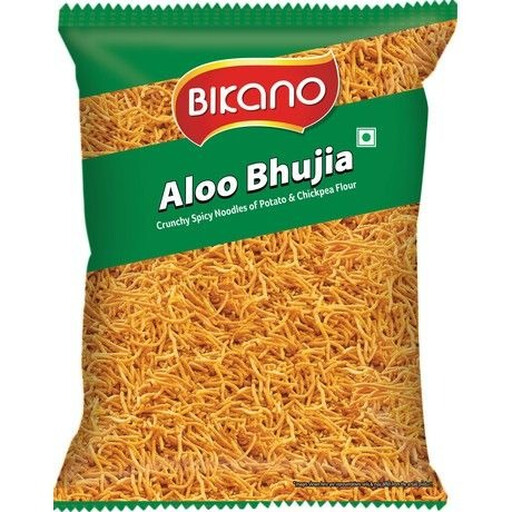
Why it suits this profile: This Indian snack comes in a 200-gram sharing pack and is ready to eat. The combination of potato, chickpea flour and spices is ideal for sharing or enjoying with tea.
The ingredients list names potato, chickpea flour, oil, salt and spices. It also states that the product is suitable for vegetarians and contains none of the 14 major EU allergens.
200 grams of product, a crunchy texture and ready to serve straight away.

Why it suits this profile: If you value clear ingredients and smaller portions, these Korean seaweed snacks are worth considering for home, work or eating on the go.
The product information lists the main ingredients: seaweed, rapeseed oil, sesame oil and salt. The allergens present are clearly identified.
Three 5-gram portions and a concise ingredients list.
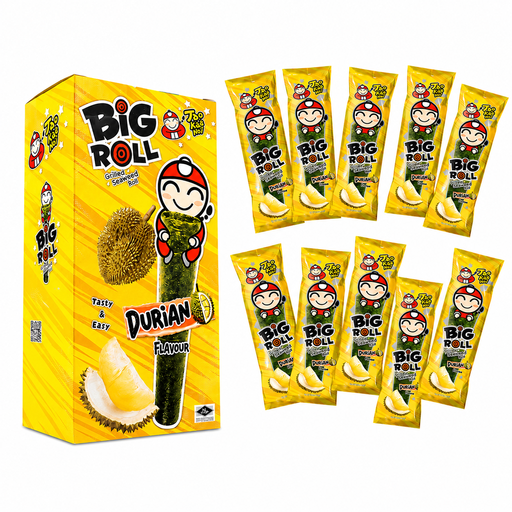
Why it suits this profile: This Thai snack is aimed at adventurous eaters who want to try a distinctive combination of savoury seaweed and durian.
The flavour and origin are clearly stated. With nine individually wrapped rolls, you can try a small portion first.
Nine 2.1-gram rolls with a crisp, roasted seaweed texture.
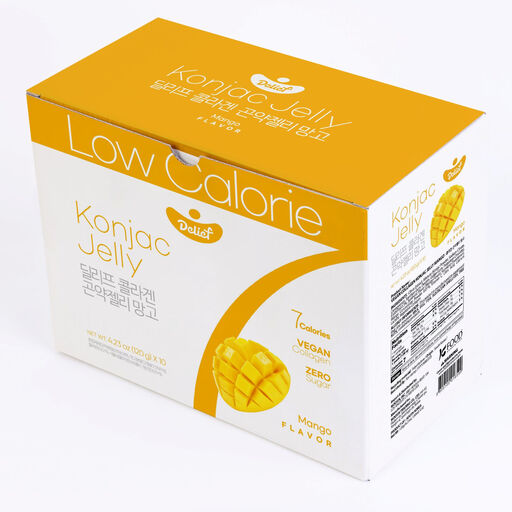
Why it suits this profile: The individual portions and mango flavour are ideal if you’re looking for a soft, plant-based snack for the fridge, your bag or your desk.
The product information states that it has a vegan recipe, contains 120 grams per pouch and includes storage instructions for after opening. If you have allergies, also check the warning about the production facility.
Ten pouches, mango flavour and a ready-to-eat format.
We’ve put together a complete, up-to-date list of products that fully meet these strict selection criteria and the applicable European safety regulations.
It depends on the ingredients and the product description. Aloo Bhujia, some seaweed snacks and various plant-based snacks are sold as vegetarian. Always check that they contain no gelatine, fish, shellfish or other animal-derived ingredients. If in doubt, follow the information on the packaging.
For a strongly seasoned flavour, consider WEILONG Konjac Snack Spicy Flavor, with chilli and Sichuan pepper, or snacks with wasabi. The intensity varies between brands and recipes. Start with a small pack if you’re trying a flavour for the first time.
Store dry snacks in a cool, dry place in an airtight container to help retain their crunch. Konjac snacks and jelly products may have different storage instructions, so follow the packaging. When ordering online, also check that chilled or frozen products can be stored at the correct temperature as soon as they arrive.
