
Vandaag of morgen in huis

Kwaliteit gegarandeerd

Welkomstaanbiedingen ontgrendelen: GRATIS bezorging | Tot 80% korting | Gratis 30 dagen JoyPlus-proefperiode
Download de app
Searching online for Asian snacks and instant meals might seem straightforward, but the range varies hugely in flavour, portion size, ingredients and preparation method. A striking packet tells you little about what you’ll actually get. With Chinese snacks, Japanese snacks, Korean instant noodles and self-heating meals in particular, it pays to check the product information carefully.
A bag of 260 or 300 grams may contain several small portions, whereas a box of individual portions is far more convenient for students or the office. So compare the price per 100 grams and look at the actual contents. The Hao Huan Luo Liuzhou Luosifen, for example, comes as 6 packets of 300 grams. That’s handy for stocking up, but less suitable if you only want to try one flavour first.
Spicy snacks can vary enormously. Sichuan pepper adds a tingling sensation as well as heat, while chilli simply brings warmth. Products such as Weilong Kiss Burn Spicy Chicken Flavor and Wuxianzhai Vegetarian Steak are described as spicy, but the exact experience depends on the spices used and the quantity.
Also keep an eye on the salt content. The Weilong snack lists 15.75 grams of salt per 100 grams. That makes portion control important, even when the packet contains several small sachets.
Vegetarian snacks may contain soya, wheat, gluten, sesame or mustard. The Wuxianzhai Vegetarian Steak is made from soya protein and, according to the product information, contains soya and gluten. If you have an allergy, always check the actual packaging and the full ingredients list. Don’t rely on terms like “plant-based” or “vegetarian” alone.
For shoppers in the UK, the ingredients list and allergen declaration matter far more than marketing copy. Check for:
With dried fruit, such as LYFEN California Prunes and Laiyifen Milk Flavor Plums, the flavour may be enhanced with sugar, salt, acidity regulators, sweeteners or preservatives. The product information for these prune snacks also includes a phenylalanine warning.
Instant noodles aren’t all the same. Nongshim Shin Ramyun is ready in about 4.5 minutes, according to the product description. The Luosifen meal takes roughly 12 minutes to cook and contains several sachets of broth, vinegar, chilli oil and toppings.
A self-heating rice meal works differently. The Zi Hai Guo Bow Rice and Clay Pot Rice use a heating pack and cold water. According to the product information, heating takes about 15 minutes and no electricity, flame or cookware is needed. Do place these meals on a stable, heat-resistant surface and follow the instructions on the packet.
Check the best-before date, especially on offers or products with a short remaining shelf life. Store snacks in a cool, dry place away from direct sunlight. Once opened, an airtight container may be needed to keep crunchy products fresh.
With mochi, dried fruit and sweets, texture is a key buying factor. Q-Brand Japanese-Style Red Bean Mochi is described as soft and chewy. Franzzi rolls, on the other hand, are designed to stay crispy. Seal both types well after opening, but bear in mind their different characteristics.
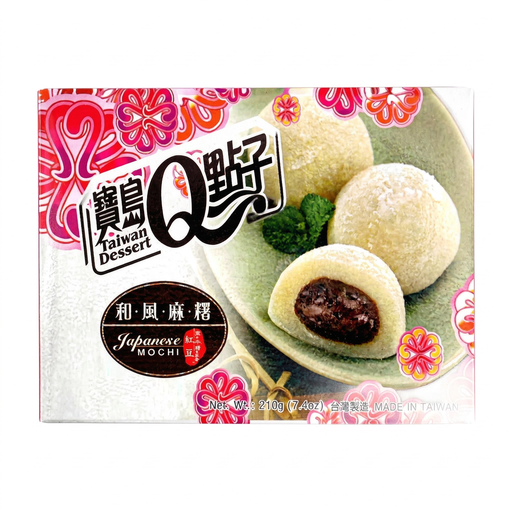
Why it fits this profile: A ready-to-eat sweet snack in a 210g pack, ideal for trying mochi without committing to a large selection.
The product information lists the net weight, ingredients and possible traces of gluten, so you can assess the flavour and allergens in advance.
Soft, chewy texture; red bean filling; ready to eat with no preparation needed.
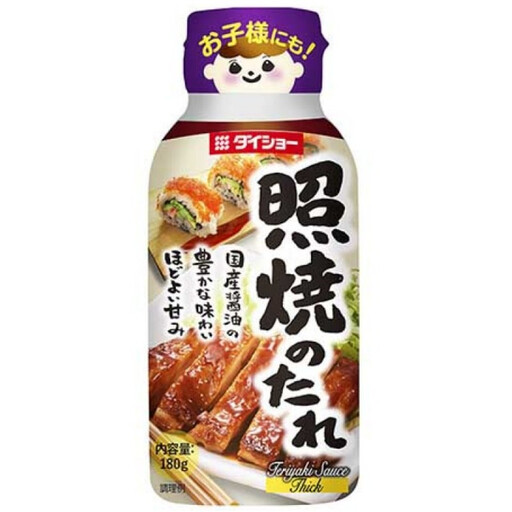
Why it fits this profile: Ideal for those who aren’t just after snacks but want to add flavour at home to tofu, vegetables, meat or stir-fries.
The bottle contains 180g and the product description mentions several uses. Do check the ingredients, as soya and wheat are listed as allergens.
Can be used as a marinade, glaze or stir-fry sauce; suitable for vegetarian dishes according to the product description.
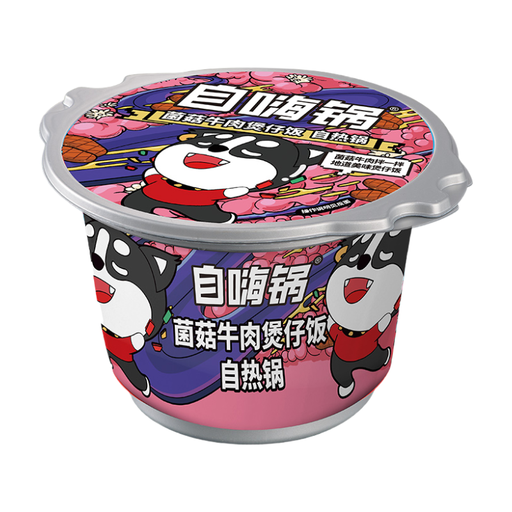
Why it fits this profile: A single-serving meal for on the go, during overtime or in a place without a hob. According to the product information, the meal is prepared using a heating pack.
The preparation method, 245g portion and instruction to eat immediately after heating are all stated, so you know in advance whether it suits your situation.
No hob or microwave needed according to the product description; individual portion; rice with mushrooms and beef.
For a household with different tastes, a mix works better than spicy snacks alone:
With Korean instant noodles, it’s wise to check the spiciness and allergens. The product information for Nongshim Shin Ramyun lists gluten, soya, crustaceans, molluscs, fish, egg, milk, peanuts and sesame. If you prefer to build your own flavour, a sauce like DAISHO teriyaki can be used with rice, tofu or vegetables.
We’ve put together a full, up-to-date list of products that fully meet these strict selection criteria and comply with current European safety regulations.
Choose products that are ready to eat or need very little preparation. Small biscuit sticks, mochi, dried fruit and individual Korean instant noodles are practical. With noodles, check that you have access to boiling water and watch the salt content per portion.
The shelf life varies by product. Dry noodles and unopened snacks can often be stored for longer, but always follow the best-before date on the packaging. Self-heating meals should be stored in a cool, dry place and eaten immediately after opening, according to the product instructions.
Some are, but always check the ingredients list. Products based on soya or wheat may be vegetarian but can still contain allergens. In addition, flavourings may include ingredients of animal origin. So check each product’s actual packaging and the listed allergens.
