
Vandaag of morgen in huis

Kwaliteit gegarandeerd

Welkomstaanbiedingen ontgrendelen: GRATIS bezorging | Tot 80% korting | Gratis 30 dagen JoyPlus-proefperiode
Download de app
When you buy Asian snacks and meals online, you usually want three things: a clear flavour, minimal preparation, and packaging that suits your household. Yet product pages can hide important differences. A large pack isn’t always good value, a striking flavour name says nothing about the ingredients, and “authentic” is no measurable guarantee of quality.
With this practical selection guide, you can compare malatang, seaweed, dumplings, sweets and other Asian groceries online based on information you can verify on the packaging or product page.
A 600 g bag looks appealing, but first check whether the product is frozen, how many portions it contains, and how many extra ingredients you’ll need. For instant meals, a smaller cup is often more convenient for one person, while a multipack or family pack works better for shared use.
Words like “Sichuan”, “mala” or “authentic” mainly describe the style of the product. They don’t automatically tell you how spicy, salty or oily it is. Look at the individual sauce sachets, chilli oil, Sichuan pepper, sesame, peanuts and soy products.
According to the brands’ own product information, such ingredients can support the typical flavour. That is a brand claim, not an independent finding. So use the ingredients list and nutrition table as your starting point.
Many Chinese dumplings, hotpot products and Asian instant meals contain wheat, soya, sesame or peanuts. Fish, shellfish and molluscs also appear in certain snacks. Also check whether a product needs to be stored dry, chilled or at -18 °C. A frozen product is less suitable if you have no freezer space or cannot store an order straight away.
A cup of instant malatang may only need boiling water. Other products require a pan, steamer or frying pan. For example, ISDG Instant Malatang (88 g) states 400 ml of hot water and about two minutes of steeping. Li Hai Long Malatang (178 g) requires six minutes and draining most of the water, according to the product information.
With Chinese instant hotpot and Sichuan hotpot, the number of sachets also matters. A product with separate sauce, oil and vegetable mix gives you more control over the flavour, but requires a few extra steps.
Don’t just compare grams; also look at the composition per 100 g. The Hao Ren Jia Mala Tang Soup Base (240 g) is a flavour base, not a complete meal. The preparation instructions mention 60 g of spice mix with 300 g of water. So you add your own ingredients.
Ready meals often already contain vegetables, tofu or noodles in the pack. But watch the salt content. The stated nutritional values vary greatly between products, so comparing per 100 g is more useful than just looking at the front of the pack.
Japanese nori and roasted seaweed lose their crispness from moisture. A pack of 10 sheets is suitable for sushi, hand rolls and rice balls; a pack of 100 sheets is better for families, parties or regular use.
For frozen products, such as Chinese dumplings and fish balls, check the freezer temperature and the instruction “do not refreeze after thawing”. For sweets and dry snacks, a cool, dry place is usually fine, but opened packs stay fresher for longer if you seal them properly.
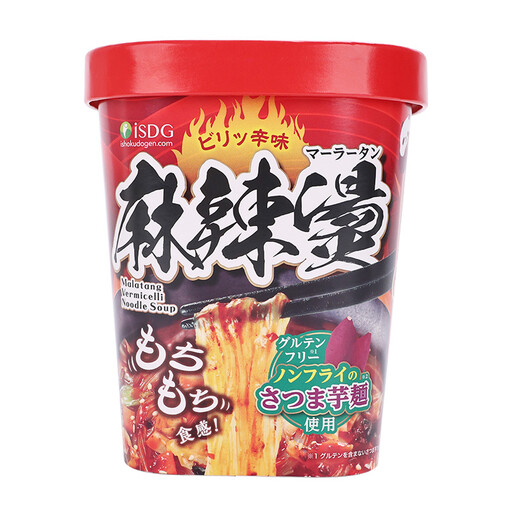
Why This Fits Their Persona: A compact portion for students, a lunch at the office, or a first taste of malatang without a big stock.
The portion and preparation method are clearly stated: 88 g, 400 ml of hot water and about two minutes of waiting. So you don’t accidentally buy a loose flavour base.
Cup format; separate noodles, vegetables, spices and sauce. Allergens: gluten, soya and sesame.
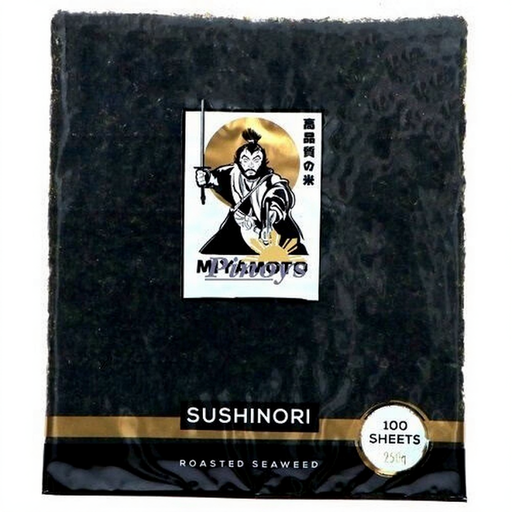
Why This Fits Their Persona: Ideal for households that often make sushi, kimbap, wraps or rice dishes and want a generous supply.
The size is concrete: 100 sheets of 19 × 21 cm. So you can measure the quantity against your own usage rather than a vague quality claim.
Ingredient according to product information: 100% roasted seaweed. Store in a cool, dry place and keep sealed.
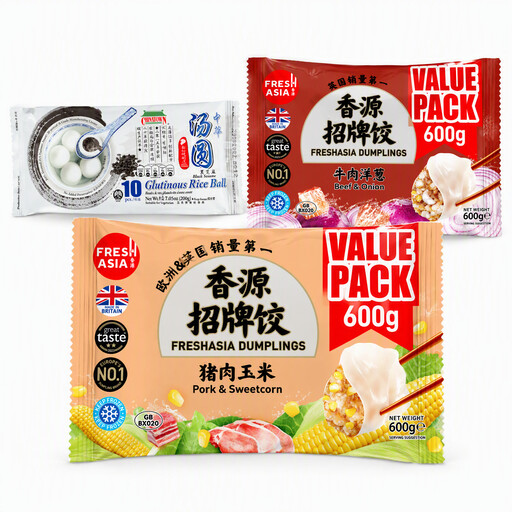
Why This Fits Their Persona: Handy for families or busy households that want to cook multiple portions from one stock of frozen products.
The product information states 600 g, cooking from frozen, and multiple methods: boiling, steaming or pan-frying.
Pork and corn filling; suitable for boiling, steaming and frying. Contains wheat, soya and sesame.
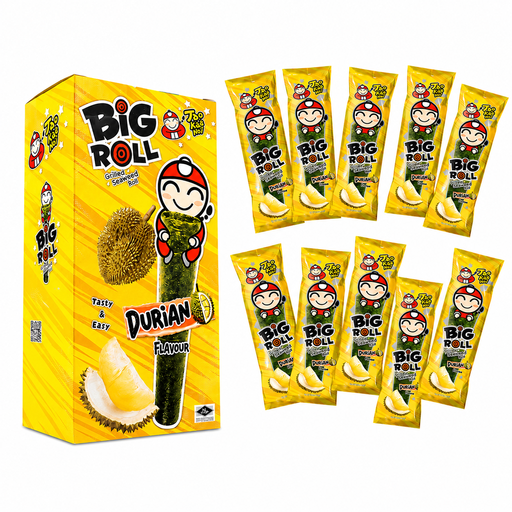
Why This Fits Their Persona: For those who want to try Thai snacks and unusual flavour combinations without buying a large pack.
The flavour is clearly stated as durian. So the combination of roasted seaweed and fruit aroma is clearer upfront than with a generic “special edition”.
Nine individually wrapped rolls; total 18.9 g; ready to eat straight from the pack.
Browse the current range of tang and compare portions, flavours, preparation and pack sizes before you order.
For a simple snack, Korean seaweed snacks such as Kimnori Original, Spicy or Teriyaki come compactly packed in 3 × 4 g portions. With seasoned varieties, check the exact oil, spices and allergens.
If you fancy something sweet, look at Asian sweets, such as SEOJU Tang Tang Peach Candy from South Korea, or Haribo Tangfastics as a sweet-and-sour option. Watch out for gelatine and fruit allergens. For a meal with more preparation, Yuan Xian Mala Tang, TOWORD Spicy Hot Pot and Chinese dumplings are logical points of comparison. A loose mala sauce, such as Hao Ren Jia, is especially interesting when you want to add your own vegetables, noodles or meat.
Malatang usually refers to a spicy, aromatic meal with Sichuan pepper and chilli. Chinese instant hotpot is a broader product form: ingredients and soup base are often supplied in a cup, bowl or meal kit. Check per product whether you need to add water, drain it, or add extra ingredients.
Store nori in a cool, dry place away from direct sunlight. Seal the pack well after opening. Moisture makes the sheets and snacks less crispy. Always check the specific instructions on the label.
Often yes, but preparation methods vary. Some products are ready in two to five minutes with hot water; others need to be cooked or stored frozen. So check the preparation time, required water, portion size and allergen information before you buy.
