
Vandaag of morgen in huis

Kwaliteit gegarandeerd

Welkomstaanbiedingen ontgrendelen: GRATIS bezorging | Tot 80% korting | Gratis 30 dagen JoyPlus-proefperiode
Download de app
Asian snacks and ingredients are handy for on the go, in your store cupboard or as a base for Korean, Chinese and Thai dishes. Yet a colourful pack tells you little about taste, preparation or whether it suits your diet. Small portions, hidden allergens and unclear cooking instructions can make a purchase less practical than expected.
These checkpoints help you compare products using information you can actually verify.
A 500 gram bag may look appealing, but dried chillies, soya beans or sunflower seeds can lose their aroma when you open the pack frequently. For snacks the reverse can be true: three small packs of Korean seaweed snacks sometimes add up to just 12 to 15 grams.
So look at:
Individual portions are handy on the go, while larger packs are better if you cook regularly.
Marketing terms like “traditional”, “natural” or “authentic” are no substitute for the ingredients list. A Thai seasoning mix can, for example, contain a lot of sugar and salt. Lobo Roast Red Pork Seasoning Mix lists sugar and salt as key ingredients and also contains soya and wheat. That matters if you want to cut back on sugar or salt, or need to avoid an allergen.
Chinese tofu snacks also vary widely in composition. Laoli Five-Spice Dried Tofu contains at least 75% soya beans, but also palm oil, sugar, soya and preservative E202. XIFU Dried Tofu contains, among other things, soya, wheat gluten and sulphites. Always check the label of the specific variant you buy.
Not every product is ready to eat. Dried soya beans and black-eyed beans need soaking and cooking. According to the product information, precooked bamboo shoots should be rinsed first and then heated through thoroughly; eating them raw is discouraged. You can use dried chillies whole, grind them or make chilli oil, but the heat you get depends on the variety and the amount you use.
If you’re vegetarian or vegan, products based on soya beans, seaweed and legumes are appealing options. Plant-based doesn’t automatically mean vegan, though. Check in particular:
A.F.P. Black Eye Beans lists 100% black-eyed beans and is described as suitable for vegetarians and vegans. Premium Soybean 1 kg is also 100% soya beans, but soya is an EU-listed allergen. The packaging remains the most up-to-date source for allergen information.
Compare snacks on the same basis: usually per 100 grams. That way you can better see how much sugar, salt, fat and energy a product contains. Dried fruit can be relatively high in natural or added sugars. MUSHAN BASE Dried Strawberry Slices, for example, lists dried strawberries and sugar as ingredients, with 57.4 grams of sugars per 100 grams.
For savoury products, salt content is especially important. According to the product information, Yun Shan Ban Sea Salt & Black Pepper contains 59.5 grams of salt per 100 grams. Use this type of seasoning sparingly and taste before adding extra salt.
Dry products generally keep for longer when stored in a cool, dry place away from direct sunlight. Reseal opened bags well to minimise moisture ingress and aroma loss. For products containing oil, such as seaweed snacks, pay extra attention to a crisp texture and an undamaged pack.
Also check whether a product:
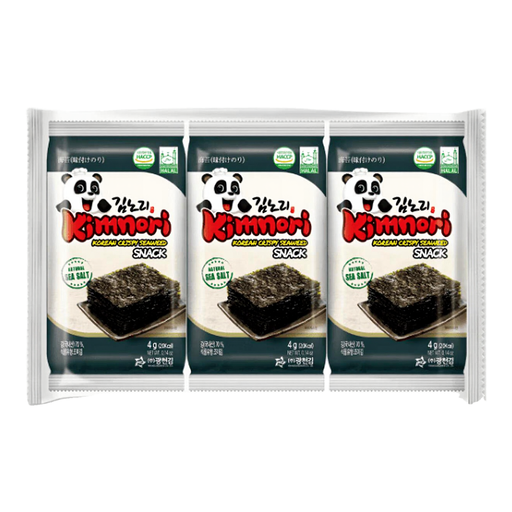
Why it fits this profile: This portion pack is an easy way to try Korean seaweed snacks without buying a big stash straight away.
The quantity is clearly stated: three sachets of 4 grams. Store as per the label: in a cool, dry place away from direct sunlight.
According to the product information, the snack is made from Korean seaweed and baked for a crisp texture.

Why it fits this profile: Ideal if you want a Korean snack that also works as a topping for salads, soups or rice.
Ingredients and allergens are clearly listed: seaweed, oils, salt and sesame. That lets you match your choice to your diet.
Three sachets of 4.5 grams, with olive oil and sesame oil. According to the product information, the snack is crisp and lightly salted.
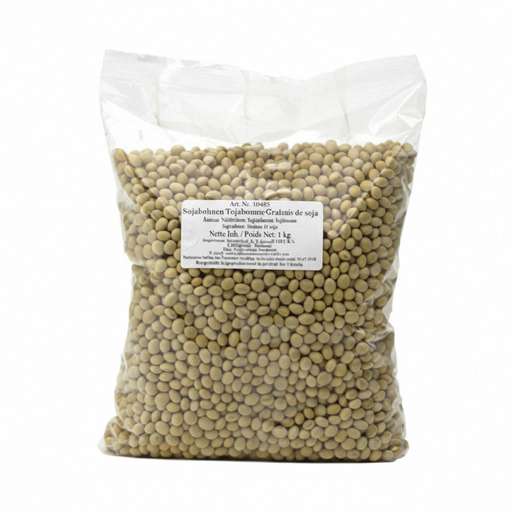
Why it fits this profile: A store-cupboard pack for home cooks who want to make their own soya milk, tofu, soya paste or dishes with soya beans.
The pack states 100% soya beans and gives a specific soaking time of 8 to 12 hours. So you know this is a cooking ingredient, not a ready-to-eat snack.
1 kg contents and multiple uses. According to the product information, the beans are suitable for vegetarian and vegan preparations; soya remains a declared allergen.
If you’re mainly after flavour, you can compare Asian seasonings, chilli powder, dried chillies or black pepper by grind size, origin and additives. According to the label, CUIHONG Chili Powder contains chilli, rapeseed oil, sesame and spices. That makes it useful for chilli oil, noodles and stir-fries, but sesame is something to watch.
For snacks, a nut mix, dried fruit and sunflower seeds are practical options. J.ZAO Classic Daily-Nut Mix comes in individual 25 gram sachets with, among other things, walnuts, raisins, cranberries, almonds, cashews and hazelnuts. Anatolia Salted Sunflower Seeds contains salt and notes possible cross-contamination with nuts, peanuts, gluten and sesame.
Dried mango and strawberries are ready to eat, but check sugars and preservatives. PHILIPPINE BRAND Dried Mango lists mango, sugar and sulphite E223. For curries, soups and stir-fries, bamboo shoots are the better fit; the precooked variety from Nature’s Best Harvest should be rinsed first and heated through.
We’ve put together a complete, up-to-date list of products that fully meet these strict selection criteria and the applicable European safety regulations.
Small, individually packed products are practical. Think Korean seaweed snacks, dried fruit, a nut mix or ready-to-eat Chinese tofu snacks. For tofu, always check soya, gluten and sulphites. For nut mixes, nut allergens are of course a key consideration.
Store dried chillies, chilli powder, soya beans, black-eyed beans and sunflower seeds in a cool, dry place away from direct sunlight. Reseal the pack well after opening. For moisture-sensitive snacks, choose the smallest pack that suits your usage.
That depends on the product. Dried soya beans need soaking and cooking. According to the product information, precooked bamboo shoots should be rinsed and thoroughly heated; do not eat them raw. Always read the label and preparation instructions before use.
