
Vandaag of morgen in huis

Kwaliteit gegarandeerd

Welkomstaanbiedingen ontgrendelen: GRATIS bezorging | Tot 80% korting | Gratis 30 dagen JoyPlus-proefperiode
Download de app
Fancy some Asian snacks but not sure which pack lives up to its promise? In Dutch shops and online stores, you’ll now find Chinese snacks, Korean snacks, Japanese snacks and Thai snacks all sitting side by side. The differences aren’t just about flavour. Texture, portion size, allergens and shelf life all play a part in whether a purchase is right for you.
Pay particular attention to three common pitfalls:
If you check the label beforehand, you’ll avoid disappointment and find it much easier to choose a snack for home, the office or on the go.
Don’t just look for terms like vegetarian snacks or plant-based snacks. Check the full ingredients list and allergen declaration. In this category, soya, wheat, gluten and sesame are very common.
Vegetarian meat, such as vegetarian chicken, vegetarian beef or snacks made from wheat gluten, can have a firm, fibrous texture. That makes them interesting for fans of savoury snacks, but they aren’t suitable for anyone with a soya or gluten allergy.
You also need to check seaweed snacks. According to the product information, Bibigo Crispy Seaweed Snack contains seaweed, rapeseed oil, sesame oil and salt, and lists sesame as an allergen. POLI Toasted Seaweed also contains soya and wheat through the soy sauce.
The packaging is always the final authority. Product compositions can change, and the information on the website may be less detailed than the physical label.
A 300g bag is practical for sharing, whereas a 4.5g pack is really intended as a small snack or side dish. So don’t just compare the price per pack – also compare the price per 100g.
Also look at salt, fat and energy per 100g. Spicy snacks and savoury snacks often contain relatively high levels of salt. For example, Wuxianzhai Vegetarian Steak Sichuan Spicy Flavor lists 2.55g of salt per 100g. Wu La Ma Vegetarian Beef Balls lists 3.5g of salt per 100g. These are verifiable facts, not a judgement on whether they suit your diet.
Konjac snacks often have a lower energy content per 100g. The WEILONG Konjac Snack Spicy Flavor lists 84 kcal per 100g. However, that product also contains 2.8g of salt per 100g. “Light” doesn’t mean you can skip the rest of the label.
For on the go, individual portions are handy. Seaweed rolls, small konjac packs and multipacks stay practical in a bag for longer when unopened. Crispy products lose their texture more quickly after opening due to moisture. So seal an opened pack properly and follow the storage advice on the label.
For a film night or party, a larger bag of rice and corn snacks is a better fit. Gusto Salted Corn Balls XXL is a vegetarian snack in a 300g pack. Its light, crunchy texture and classic salty flavour make it suitable for sharing.
If you’re after a firmer bite, look at snacks made from soya or wheat gluten. They’re less airy than corn puffs or seaweed, but offer a chewy texture.
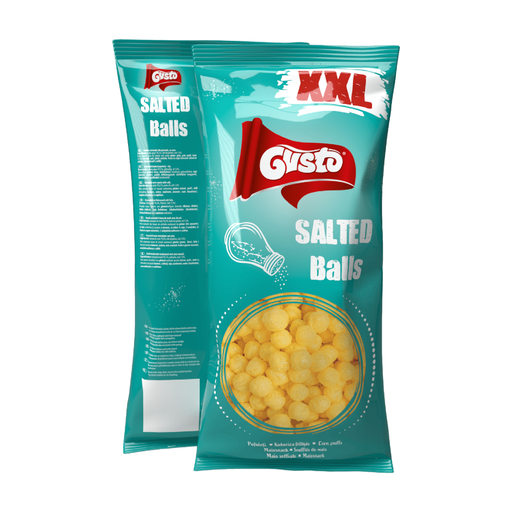
Why it fits this profile: A large pack with a simple salted flavour is an easy entry point for anyone comparing Asian snacks for the first time and looking for something to share.
The 300g weight makes the portion size clearer than with very small snack packs. The product information also states that it is suitable for vegetarians.
Light, crunchy corn texture; 300g; according to the product information, free from the 14 major EU allergens.

Why it fits this profile: Ideal for fans of Korean snacks who want a thin, crispy texture and a savoury sesame flavour.
The multipack contains three 5g portions, so you can see in advance how much you get each time. Do check the sesame allergen on the label.
Crispy seaweed with sesame; three individual packs; according to the product information, gluten-free.
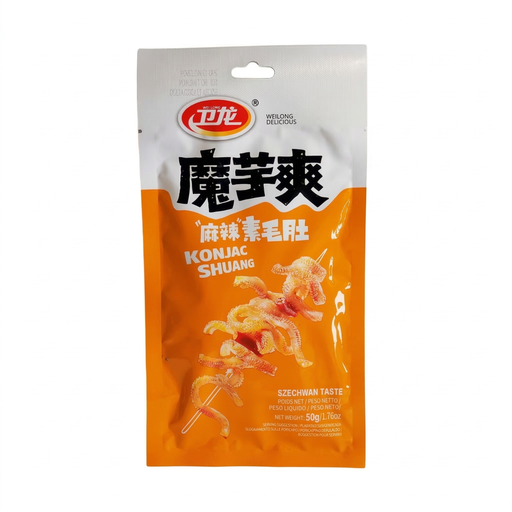
Why it fits this profile: A choice for anyone specifically after a chewy texture and Sichuan-style mala flavour, rather than a light or sweet snack.
The product information explicitly lists konjac, chilli and Sichuan pepper. So you know the texture and spiciness are the main focus, but do check for soya and wheat as allergens.
50g per pack; 84 kcal per 100g according to the product information; ready to eat.
We’ve put together a full, up-to-date list of products that fully meet these strict selection criteria and comply with current European safety regulations.
That depends on the full ingredients list. Products such as Gusto Salted Corn Balls, Bibigo seaweed snacks and various konjac or soya-based snacks are described as vegetarian or plant-based in the product information. Always check that no animal-based flavourings or ingredients have been added.
Yes. Individually wrapped seaweed rolls, konjac snacks and small portions of vegetarian meat are practical as snacks for when you’re out and about. Store opened crispy products in an airtight container and be aware of products that need to be refrigerated after opening.
Store unopened snacks in a cool, dry place away from direct sunlight. For products such as Wu La Ma Vegetarian Beef Balls and some wheat gluten-based snacks, the label states that they should be refrigerated after opening and consumed quickly. Always read the storage and best-before information on the packaging before use.
