
Vandaag of morgen in huis

Kwaliteit gegarandeerd

Welkomstaanbiedingen ontgrendelen: GRATIS bezorging | Tot 80% korting | Gratis 30 dagen JoyPlus-proefperiode
Download de app
Buying Asian snacks online might seem straightforward, but the range varies widely in flavour, packaging and use. Whether you’re after Korean snacks for a film night, Japanese snacks to share, or Indonesian snacks for a party, relying on eye-catching packaging alone usually isn’t enough.
Three common pitfalls to watch out for:
For a pantry, student kitchen or sharing platter, it’s also a good idea to combine different textures. Think seaweed snacks, prawn crackers, banana chips, rice cakes, crisps and corn puffs.
A 32-gram bag is fine for one or two people to have a taste. For a birthday, student house or big film night, a pack of 135, 165, 200 or 250 grams is more practical. A 1 kg bag, like some prawn crackers, is really meant for sharing or for cooking in batches.
When comparing, look at:
Small portions can be handy if freshness matters to you. A multipack with individual portions also stops a large bag from being left open for too long.
Asian snacks often contain wheat, soya, fish, sesame, milk and shellfish. According to the product information, NongShim Shrimp Cracker contains prawns, fish, soya and gluten from wheat. Taokaenoi Crispy Seaweed Jajangmyeon contains soya, wheat and sesame.
If you have a food allergy or intolerance, always check the label on the pack you receive. When in doubt, the ingredients list on the product itself is what counts. Also look out for warnings such as “may contain”.
The flavour is usually built up with oil, salt, sugar, spices and flavour enhancers. That doesn’t automatically make a snack suitable or unsuitable, but it does help you make a more informed choice. Check the nutritional values per 100 grams and, where stated, per portion.
If you’re mainly after crunchy snacks, you have plenty of options:
Check whether a product is ready to eat. According to the product description, Sa Giang Shrimp Crackers need to be fried at home, whereas most of the other examples in this guide can be eaten straight from the pack. After opening, store snacks in a cool, dry place, seal the pack tightly and follow the instructions on the label.
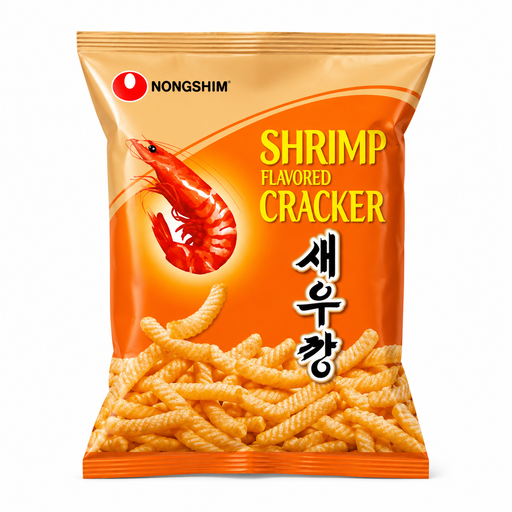
Why this suits the profile: A 75-gram pack is a manageable size when you’re trying Korean snacks for the first time and don’t want to buy in bulk straight away.
The net weight and product format are clearly stated. Do check the label because it contains prawns, fish, soya and wheat.
According to the product information, made in Korea; a fried cracker with narrow grooves and a crunchy texture.
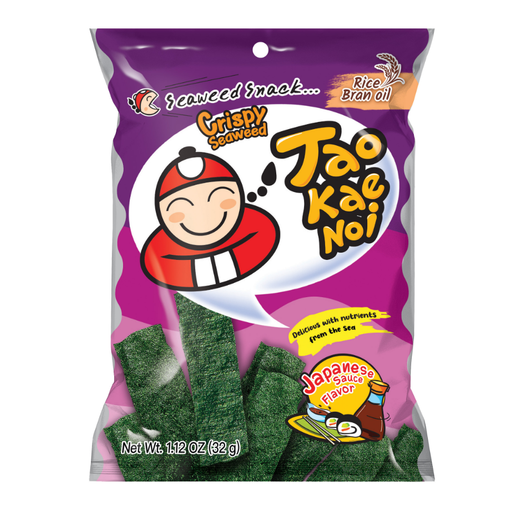
Why this suits the profile: A choice for anyone looking for a thin, crispy snack with a savoury sauce-like flavour, rather than ordinary potato crisps.
The packaging states 32 grams and a 12-month shelf life. This lets you factor in size and storage time before you decide.
Seaweed as the main ingredient according to the product information; from Thailand and intended as a crispy snack.
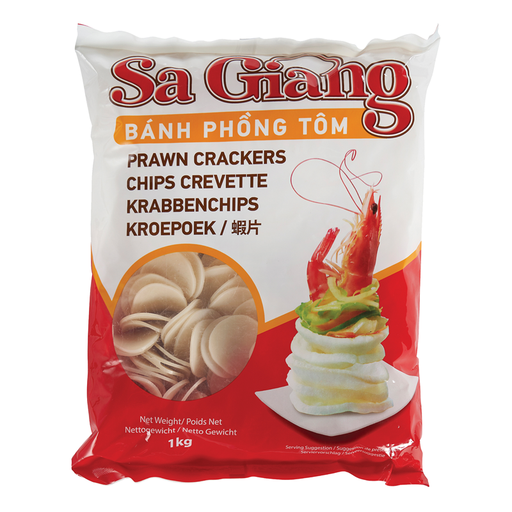
Why this suits the profile: The large size is ideal for families, parties, catering use, or enthusiasts who want to prepare fresh Indonesian prawn crackers themselves.
The product information clearly states that the crackers need to be fried. So you’re not buying a ready-to-eat snack without knowing it beforehand.
1 kg content; according to the product description, suitable as a snack, starter or with rice dishes. Contains shellfish and prawns.
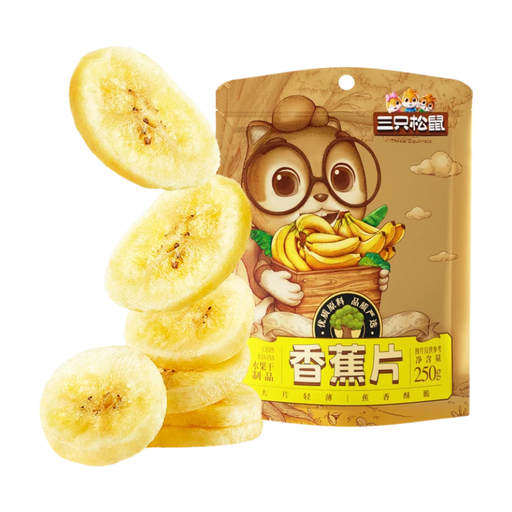
Why this suits the profile: The 250-gram pack is practical for the pantry, for sharing, or as a topping for yoghurt, porridge or ice cream.
The product information mentions 72.6% banana and a resealable pack. Do check the storage instructions and nutritional values after opening.
250 grams content; according to the product description, prepared with coconut oil and lightly sweetened.
For a tasting session, choose one snack per texture. For example, combine seaweed snacks with a savoury cracker, a sweet banana chip and a light corn puff. If you’re after spicy snacks, look for flavour varieties with chilli, pepper or seasoned sauce, but compare the ingredients and salt content per 100 grams.
For a Dutch-style film night, larger packs such as crisps, corn puffs or banana chips are handy. For lunchboxes and portion control, smaller bags or multipacks work better. If you want to try less familiar flavours, start with two or three different countries: for example, Korean snacks, Thai snacks and Chinese snacks.
We’ve put together a full, up-to-date list of products that fully meet these strict selection criteria and comply with current European safety regulations.
Choose a pack from around 135 grams or a multipack with small portions. Crisps, corn puffs, banana chips and a large bag of prawn crackers are practical for parties. Check beforehand whether the snack is ready to eat or needs to be prepared.
Store opened snacks in a cool, dry place away from direct sunlight. Seal the bag tightly to keep the crunchy texture for longer. Products that need to be chilled according to the label, such as some moist or soft snacks, should go in the fridge after opening.
No. The range goes from sweet potato snacks and banana chips to mild seaweed snacks and savoury rice cakes. Check the flavour name, ingredients and any mention of chilli or pepper if you’re looking for a mild or, alternatively, a spicy snack.
